In the complex world of cement production, the rotary kiln furnace stands as a cornerstone technology. As a provider of high - quality rotary kiln furnaces, I'm excited to take you on a journey through how these remarkable machines operate and contribute to the cement - making process.
The Basics of Cement Production and the Role of Rotary Kiln Furnaces
Cement production is a multi - stage process that begins with the extraction of raw materials, typically limestone, clay, and shale. These raw materials are crushed, ground, and blended to form a homogeneous mixture known as raw meal. The rotary kiln furnace plays a central role in transforming this raw meal into clinker, the key intermediate product in cement manufacturing.
The Structure of a Rotary Kiln Furnace
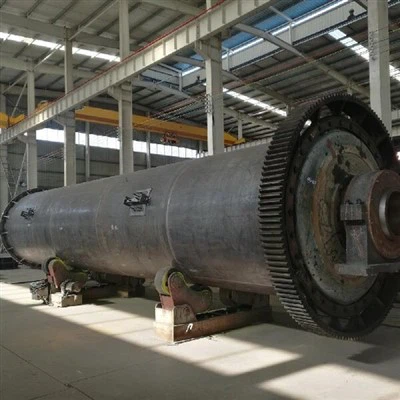
A rotary kiln furnace is a large, cylindrical vessel that is slightly inclined and rotates slowly around its longitudinal axis. It is usually made of steel and lined with refractory materials to withstand the extremely high temperatures generated during the cement - making process. The kiln can range in length from tens to over a hundred meters and in diameter from a few meters.
At the upper end of the kiln, the raw meal is fed into the kiln. This end is often referred to as the feed end. At the lower end, known as the discharge end, the hot gases are introduced, and the clinker is discharged after the calcination process. The rotation of the kiln ensures that the raw meal moves gradually from the feed end to the discharge end while being exposed to the high - temperature environment.
The Working Process of a Rotary Kiln Furnace in Cement Production
1. Drying and Preheating Zone
When the raw meal enters the rotary kiln furnace, it first passes through the drying and preheating zone. In this zone, the raw meal is heated by the hot gases flowing from the combustion zone towards the feed end. The hot gases transfer heat to the raw meal, causing the evaporation of free water in the raw meal. The temperature in this zone typically ranges from ambient temperature to around 400 - 600°C.


As the raw meal is preheated, some of the physical and chemical changes start to occur. The moisture content is significantly reduced, and the raw meal becomes more reactive. This preheating process is crucial as it prepares the raw meal for the subsequent calcination process, reducing the energy consumption in the later stages.
2. Calcination Zone
After passing through the drying and preheating zone, the raw meal enters the calcination zone. In this zone, the temperature rises to around 600 - 900°C. The main chemical reaction that occurs in this zone is the decomposition of calcium carbonate (CaCO₃) in the raw meal into calcium oxide (CaO) and carbon dioxide (CO₂). This process is known as calcination and can be represented by the following chemical equation:
CaCO₃ → CaO+CO₂
The calcination process is endothermic, meaning it requires a significant amount of heat. The heat is provided by the combustion of fuel in the kiln. The carbon dioxide generated during calcination is carried away by the hot gases flowing through the kiln.
3. Sintering Zone
The sintering zone is the heart of the rotary kiln furnace in cement production. In this zone, the temperature reaches as high as 1300 - 1500°C. At these high temperatures, the calcium oxide (CaO) reacts with other oxides such as silica (SiO₂), alumina (Al₂O₃), and iron oxide (Fe₂O₃) present in the raw meal to form various calcium silicates, aluminates, and ferrites. These compounds are the main constituents of clinker.
Some of the important reactions in the sintering zone include:
- 2CaO + SiO₂ → 2CaO·SiO₂ (Belite)
- 3CaO + SiO₂ → 3CaO·SiO₂ (Alite)
- 3CaO + Al₂O₃ → 3CaO·Al₂O₃ (Aluminate)
- 4CaO + Al₂O₃+Fe₂O₃ → 4CaO·Al₂O₃·Fe₂O₃ (Ferrite)
The formation of these compounds is a complex process that involves the melting of some of the components and the solid - state reactions. The sintering process gives the clinker its characteristic hard and granular structure.
4. Cooling Zone
After the sintering process, the clinker enters the cooling zone. In this zone, the hot clinker is rapidly cooled by air or other cooling media. The rapid cooling is essential as it helps to fix the desirable mineralogical structure of the clinker and improves its reactivity. It also recovers a significant amount of heat from the clinker, which can be reused in the preheating process or other parts of the cement plant.
Types of Rotary Kiln Furnaces for Cement Production
There are different types of rotary kiln furnaces available for cement production, each with its own features and advantages.
One type is the Rotary Calcination Furnace. This furnace is specifically designed to optimize the calcination process. It has advanced heat - transfer mechanisms and control systems to ensure efficient decomposition of calcium carbonate and other raw materials.
The Plug in Type Rotary Kiln is another option. It offers flexibility in terms of installation and operation. It can be easily integrated into existing cement production lines or used in small - scale cement plants.
The Clinker Kiln is a specialized kiln focused on producing high - quality clinker. It is designed to achieve the precise temperature and reaction conditions required for the formation of the desired clinker minerals.
Advantages of Our Rotary Kiln Furnaces
As a supplier of rotary kiln furnaces, we offer several advantages. Our kilns are designed with the latest technology to ensure high energy efficiency. We use advanced refractory materials that can withstand the harsh operating conditions of the cement kiln, reducing maintenance costs and downtime.
Our rotary kiln furnaces are also equipped with state - of - the - art control systems. These systems allow for precise control of temperature, gas flow, and other parameters, ensuring consistent and high - quality clinker production. We also provide comprehensive after - sales service, including installation, commissioning, and technical support.
Contact for Purchase and Negotiation
If you are in the cement production industry and are looking for a reliable rotary kiln furnace, we are here to help. Our team of experts can provide you with detailed information about our products, including specifications, performance, and pricing. We are eager to have in - depth discussions with you to understand your specific needs and offer customized solutions. Whether you are building a new cement plant or upgrading an existing one, our rotary kiln furnaces can meet your requirements.
References
- Hewlett, P. C. (Ed.). (1998). Lea's Chemistry of Cement and Concrete. Elsevier.
- Taylor, H. F. W. (1997). Cement Chemistry. Thomas Telford.