Hey there! As a supplier of ball mill parts, I often get asked about the recommended torque for ball mill bolts. It's a crucial topic because getting the torque right can make a huge difference in the performance and safety of your ball mill. So, let's dive right in and explore this topic in detail.
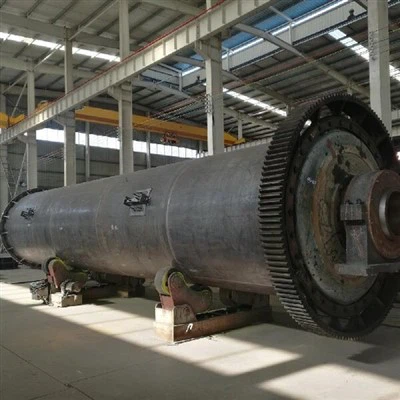
First off, let's understand why torque matters. Torque is essentially the rotational force applied to a bolt. When it comes to ball mills, the bolts hold various components together, like the mill shell, liners, and other parts. If the torque is too low, the bolts might loosen over time due to the vibrations and forces generated during the mill's operation. This can lead to parts coming loose, which is not only a safety hazard but can also cause significant damage to the mill. On the other hand, if the torque is too high, you risk over - tightening the bolts. This can result in bolt breakage or damage to the mating surfaces, which can also lead to premature failure of the parts.
Now, determining the recommended torque for ball mill bolts isn't a one - size - fits - all situation. There are several factors that come into play.
Factors Affecting the Recommended Torque
Bolt Size and Grade
The size and grade of the bolt are two of the most important factors. Larger bolts generally require more torque to achieve the proper clamping force. For example, a 1 - inch diameter bolt will need a higher torque value compared to a 1/2 - inch diameter bolt. The grade of the bolt also matters. Higher - grade bolts, which are made of stronger materials, can withstand more torque without breaking. You can usually find the grade of the bolt marked on its head. Common grades include Grade 5 and Grade 8 in the United States, with Grade 8 being stronger and able to handle more torque.
Material of the Mating Parts
The material of the parts that the bolt is connecting also affects the recommended torque. Softer materials, like aluminum, require less torque compared to harder materials, like steel. This is because softer materials can deform more easily under high torque, which can lead to damage. When the bolt is tightened into a softer material, you need to be more careful not to over - tighten it.
Lubrication
Lubrication plays a significant role in determining the correct torque. A lubricated bolt will require less torque to achieve the same clamping force as a dry bolt. This is because lubrication reduces the friction between the threads of the bolt and the nut, as well as between the bolt head and the mating surface. When using lubricated bolts, you need to adjust the torque value accordingly. If you use the same torque value for a lubricated bolt as you would for a dry bolt, you might end up over - tightening the bolt.
How to Determine the Recommended Torque
Manufacturer's Specifications
The best place to start when looking for the recommended torque for ball mill bolts is the manufacturer's specifications. The ball mill manufacturer usually provides detailed information about the proper torque values for all the bolts used in the mill. This information can be found in the mill's user manual or technical documentation. It's always a good idea to follow these specifications as closely as possible, as they are based on the design and engineering of the specific ball mill.
Engineering Standards
If you can't find the manufacturer's specifications, you can refer to engineering standards. Organizations like the American Society of Mechanical Engineers (ASME) have published standards for bolt torque values based on bolt size, grade, and other factors. These standards provide general guidelines that can be used as a starting point for determining the appropriate torque.
Calculating Torque
If you need to calculate the torque yourself, you can use the following formula:
[T = K \times D \times F]


Where:
- (T) is the torque in foot - pounds (or Newton - meters if using the metric system)
- (K) is the torque coefficient. The value of (K) depends on factors like the surface finish of the threads, the presence of lubrication, and the type of material. For a dry, unlubricated bolt, (K) is typically around 0.2. For a lubricated bolt, (K) can be as low as 0.1.
- (D) is the nominal diameter of the bolt in inches (or millimeters in the metric system)
- (F) is the desired clamping force in pounds (or Newtons in the metric system)
Let's say you have a 1 - inch diameter bolt ((D = 1) inch), and you want to achieve a clamping force of 10,000 pounds ((F = 10000) lbs). If the bolt is dry ((K = 0.2)), then the torque (T) would be:
[T=K\times D\times F = 0.2\times1\times10000 = 2000] foot - pounds
However, calculating the clamping force accurately can be tricky, as it depends on many factors. That's why it's often better to rely on manufacturer's specifications or engineering standards.
Importance of Regular Torque Checks
Once you've tightened the bolts to the recommended torque, your job isn't done. It's important to perform regular torque checks on the ball mill bolts. Over time, the vibrations and forces generated during the mill's operation can cause the bolts to loosen. By checking the torque regularly, you can catch any loose bolts early and retighten them before they cause any problems.
Our Ball Mill Parts
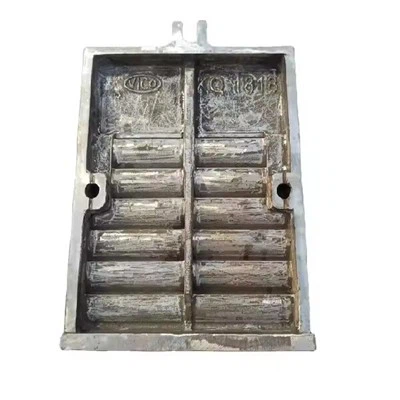
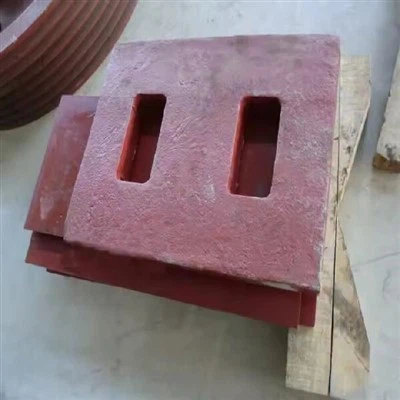
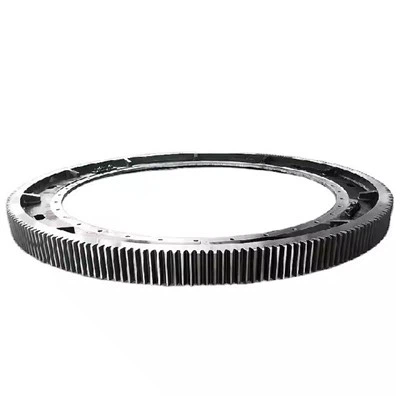
As a ball mill parts supplier, we offer a wide range of high - quality parts for your ball mill. We have Ball Mill Diaphragm, which helps in separating different grinding chambers in the ball mill and ensures efficient grinding. Our High - quality Ball Mill Trunnion is designed to provide smooth rotation and support for the mill. And of course, we also have Grinding Balls for Ball Mill, which are essential for the grinding process.
All our parts are made from high - quality materials and are designed to meet or exceed the industry standards. We understand the importance of proper installation, including getting the bolt torque right, and we can provide you with any technical support you need.
Conclusion
In conclusion, the recommended torque for ball mill bolts is a complex topic that depends on several factors, including bolt size, grade, material of the mating parts, and lubrication. It's crucial to get the torque right to ensure the safe and efficient operation of your ball mill. Whether you rely on the manufacturer's specifications, engineering standards, or perform your own calculations, make sure to follow the best practices. And don't forget to perform regular torque checks to keep your ball mill in top condition.
If you're in the market for ball mill parts or have any questions about bolt torque or other technical aspects, feel free to reach out to us. We're here to help you find the right parts and ensure that your ball mill runs smoothly.
References
- Machinery's Handbook, 31st Edition
- American Society of Mechanical Engineers (ASME) standards for bolt torque
- Manufacturer's user manuals for ball mills