Hey there! As a supplier of Rotary Kiln Seals, I've seen firsthand how crucial these components are in the overall operation of a rotary kiln. Today, I'm gonna dive into how a rotary kiln seal interacts with other kiln components.
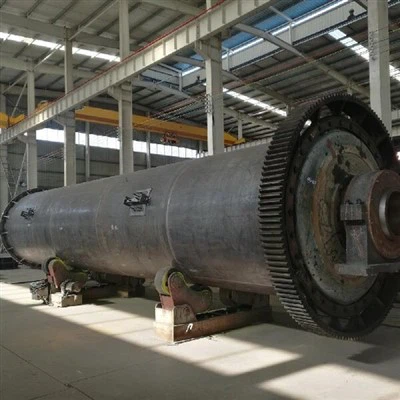
Let's start with the basics. A rotary kiln is a large, rotating cylinder used in various industries like cement, lime, and metallurgy to perform high - temperature processes. Each part of the kiln has its own role, and the rotary kiln seal is no exception.
First up, let's talk about the Support Roller for Rotary Kiln. The support rollers are responsible for supporting the weight of the kiln and allowing it to rotate smoothly. Now, how does the rotary kiln seal interact with them? Well, a well - functioning seal helps maintain a stable internal environment within the kiln. When the seal is working properly, it prevents hot gases and dust from escaping. This is important for the support rollers because if hot gases and dust leak out, they can cause excessive wear and tear on the rollers. For example, the high - temperature gases can heat up the rollers unevenly, leading to thermal expansion and potential deformation. The dust can also get into the bearings of the support rollers, causing abrasion and reducing their lifespan. So, you can think of the rotary kiln seal as a protector for the support rollers, ensuring they can do their job without being affected by the harsh conditions inside the kiln.
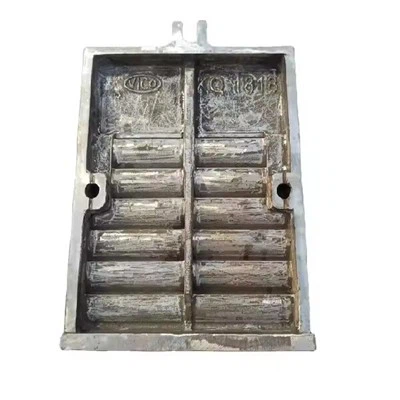
Next, we have the Rotary Kiln Seal itself. You might be thinking, "How does it interact with itself?" Well, it's all about the different types of seals and how they work together. There are various types of rotary kiln seals, such as labyrinth seals, radial contact seals, and axial contact seals. In some kilns, multiple types of seals are used in combination. For instance, a labyrinth seal can provide an initial barrier against the leakage of hot gases and dust. It works by creating a tortuous path for the gases and dust to travel through, reducing the amount of leakage. Then, a radial or axial contact seal can be used to provide a more air - tight seal. These contact seals are in direct contact with the rotating part of the kiln, ensuring that any remaining leakage is minimized. The interaction between these different types of seals is crucial for achieving an effective sealing solution. If one type of seal fails, the others might still be able to prevent a complete breakdown of the sealing system, but it's always better to have a well - coordinated combination.


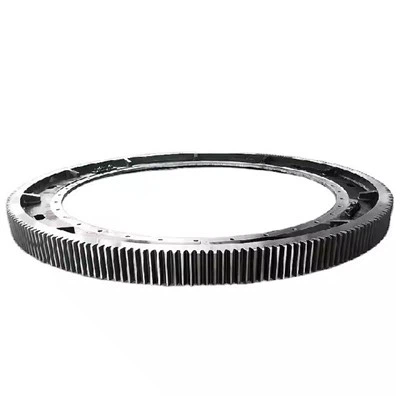
Now, let's move on to the Kiln Girth Gear. The kiln girth gear is what drives the rotation of the kiln. It's a large gear that is attached to the outside of the kiln and is driven by a motor. The rotary kiln seal plays an important role in protecting the kiln girth gear. Just like with the support rollers, a good seal prevents the leakage of hot gases and dust. If hot gases leak out, they can corrode the kiln girth gear. The high - temperature gases can cause oxidation of the gear teeth, weakening them over time. The dust can also get into the gear mesh, causing increased friction and wear. This can lead to noise, vibration, and even gear failure. By maintaining a proper seal, the rotary kiln seal helps keep the kiln girth gear in good condition, allowing it to transfer power efficiently and ensure the smooth rotation of the kiln.
Another important aspect of the interaction between the rotary kiln seal and other components is the impact on the overall energy efficiency of the kiln. When the seal is effective, it reduces the amount of heat loss from the kiln. This means that less energy is needed to maintain the required temperature inside the kiln. For example, if hot gases are constantly leaking out, the kiln has to burn more fuel to make up for the lost heat. This not only increases the operating cost but also has a negative impact on the environment. On the other hand, when the seal is working well, the energy consumption of the kiln can be significantly reduced. This energy - saving benefit also has a positive effect on other components. Since the kiln doesn't have to work as hard, the stress on the support rollers, the girth gear, and other parts is reduced. This leads to less maintenance and longer service life for all the components.
In addition to protecting other components and improving energy efficiency, the rotary kiln seal also affects the product quality. In industries like cement production, the quality of the final product depends on the precise control of the temperature and atmosphere inside the kiln. A good seal ensures that the internal conditions of the kiln remain stable. If the seal is faulty and hot gases and dust leak out, it can disrupt the chemical reactions taking place inside the kiln. For example, in cement production, the correct temperature and gas composition are crucial for the formation of the desired cement clinker. Any deviation from the optimal conditions can result in a lower - quality product. So, in a way, the rotary kiln seal indirectly influences the performance of other components by ensuring that the kiln can produce high - quality products. When the product quality is good, there is less need for re - processing, which means less stress on all the kiln components.
As you can see, the rotary kiln seal is a vital part of the rotary kiln system, and its interaction with other components is complex and far - reaching. Whether it's protecting the support rollers, working with different types of seals, safeguarding the kiln girth gear, improving energy efficiency, or ensuring product quality, the seal plays a key role.
If you're in the market for a reliable rotary kiln seal or have any questions about how it interacts with other kiln components, don't hesitate to reach out. We're here to help you find the best sealing solution for your kiln. A well - functioning rotary kiln can save you a lot of money in the long run by reducing maintenance costs and improving overall efficiency. So, let's have a chat and see how we can make your kiln work better!
References:
- "Handbook of Industrial Kilns: Design and Operation"
- "Rotary Kiln Technology and Applications"
- Industry - specific technical papers on rotary kiln operation and maintenance