As a supplier of Rotary Kiln Tyres, I've witnessed firsthand how the manufacturing process can significantly impact the quality of these crucial components. In this blog, I'll delve into the various aspects of the manufacturing process and explain how they influence the performance and durability of Rotary Kiln Tyres.
Material Selection
The first step in the manufacturing process is material selection. The quality of the material used directly affects the strength, hardness, and resistance to wear and tear of the Rotary Kiln Tyre. High - quality alloy steels are commonly used due to their excellent mechanical properties. For instance, steels with a proper balance of carbon, manganese, and chromium can offer high tensile strength and good toughness.
If inferior materials are chosen, the tyre may experience premature cracking, deformation, or excessive wear. A tyre made from low - grade steel might not be able to withstand the high temperatures and heavy loads typically encountered in a rotary kiln environment. This can lead to frequent replacements, increased downtime, and higher overall costs for the kiln operators.
Melting and Casting
Once the appropriate material is selected, the next stage is melting and casting. In the melting process, the raw materials are heated to a molten state in a furnace. The temperature and duration of melting are critical factors. If the temperature is too low, the alloying elements may not be fully dissolved, resulting in an uneven distribution of properties within the casting. On the other hand, if the temperature is too high, it can cause excessive oxidation and loss of certain elements, weakening the final product.
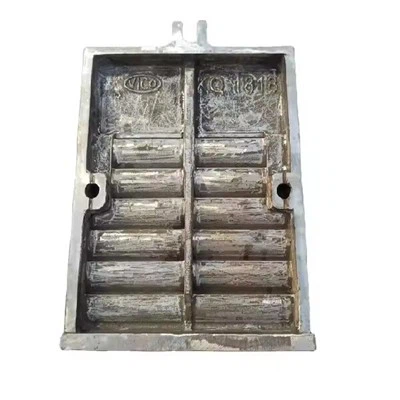
During casting, the molten metal is poured into a mold to form the shape of the Rotary Kiln Tyre. The design of the mold and the casting process itself can impact the quality. A well - designed mold ensures proper filling and solidification of the metal, reducing the likelihood of defects such as porosity, shrinkage cavities, and inclusions. These defects can act as stress concentrators, increasing the risk of cracking under the operational stresses of the kiln.


Heat Treatment
Heat treatment is a vital step in enhancing the mechanical properties of the Rotary Kiln Tyre. It involves heating the cast tyre to a specific temperature and then cooling it at a controlled rate. There are different types of heat treatments, such as annealing, quenching, and tempering.
Annealing is often used to relieve internal stresses and improve the machinability of the tyre. Quenching and tempering can significantly increase the hardness and strength of the material. However, improper heat treatment can have adverse effects. For example, if the quenching process is too rapid, it can cause excessive internal stresses, leading to cracking. If the tempering is not done correctly, the tyre may be too brittle or lack the required toughness.
Machining
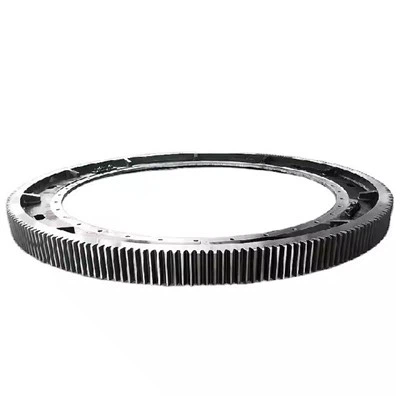
After heat treatment, the Rotary Kiln Tyre undergoes machining to achieve the precise dimensions and surface finish required. Machining operations include turning, milling, and grinding. The accuracy of machining is crucial for the proper fit and performance of the tyre.
If the dimensions are not machined to the specified tolerances, it can lead to misalignment of the kiln, uneven loading on the support rollers, and premature wear of both the tyre and the Support Roller for Rotary Kiln. A rough surface finish can also cause increased friction between the tyre and the support rollers, reducing the efficiency of the kiln and increasing energy consumption.
Quality Control
Throughout the manufacturing process, strict quality control measures are essential. Non - destructive testing methods such as ultrasonic testing, magnetic particle testing, and radiographic testing are used to detect internal and surface defects. Dimensional inspection is also carried out at various stages to ensure that the tyre meets the design specifications.
Regular chemical analysis is performed to verify the composition of the material, ensuring that the alloying elements are within the required range. Hardness testing is done to confirm that the heat treatment has achieved the desired mechanical properties. Any non - compliant products should be rejected or re - worked to meet the quality standards.
Impact on Kiln Performance
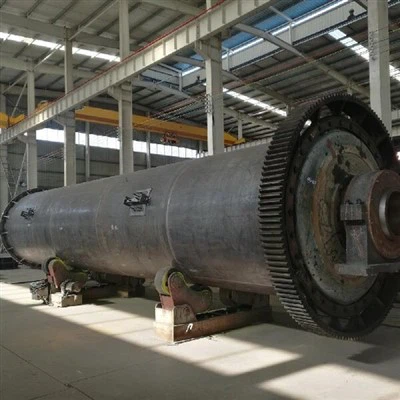
The quality of the Rotary Kiln Tyre directly affects the performance of the entire kiln system. A high - quality tyre ensures smooth rotation of the kiln, reducing vibrations and minimizing the risk of damage to other components such as Rotary Kiln Seal. This leads to improved energy efficiency, as less energy is wasted in overcoming the frictional and vibrational losses.
In contrast, a low - quality tyre can cause frequent breakdowns, leading to costly downtime for maintenance and replacement. It can also affect the product quality produced in the kiln, as uneven rotation can result in inconsistent heating and processing of the materials.
Long - Term Durability
A well - manufactured Rotary Kiln Tyre has better long - term durability. It can withstand the harsh operating conditions of the kiln, including high temperatures, heavy loads, and abrasive materials, for an extended period. This reduces the frequency of replacements and the associated costs of purchasing new tyres, labor for installation, and downtime.
On the other hand, a tyre with poor manufacturing quality may need to be replaced frequently, disrupting the production process and increasing the overall cost of kiln operation.
Conclusion
In conclusion, every step of the manufacturing process of a Rotary Kiln Tyre plays a crucial role in determining its quality. From material selection to quality control, each stage must be carefully managed to ensure that the tyre meets the high - performance requirements of rotary kiln applications.
If you are in the market for high - quality Rotary Kiln Tyres, we understand the importance of a well - manufactured product. Our company has extensive experience in producing top - notch Rotary Kiln Tyres using advanced manufacturing techniques and strict quality control measures. We are committed to providing products that offer excellent performance and long - term durability. Contact us to discuss your specific requirements and start a successful procurement process.
References
- Smith, J. (2018). "Advanced Manufacturing Techniques for Industrial Components". Publisher A.
- Johnson, R. (2019). "Quality Control in the Manufacturing of Heavy - Duty Equipment". Publisher B.
- Williams, M. (2020). "Materials Science for High - Temperature Applications". Publisher C.