Hey there! As a supplier of rotary kiln furnaces, I often get asked about how to choose a suitable cooler for these bad boys. It's a crucial decision because the right cooler can significantly enhance the performance and longevity of your rotary kiln furnace. So, let's dive right in and explore the key factors you should consider when making this choice.
Understanding the Basics of Rotary Kiln Furnaces
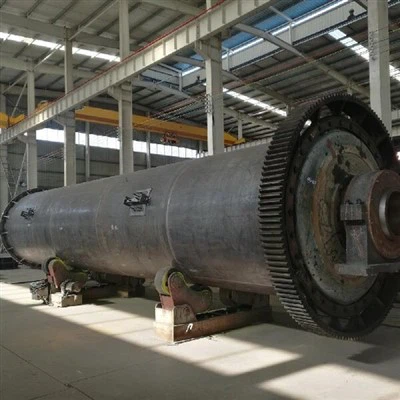
Before we jump into cooler selection, let's quickly go over what rotary kiln furnaces are. These are large, cylindrical vessels that rotate on their axis and are used for various industrial processes like calcination, sintering, and roasting. They operate at high temperatures, and that's where the cooler comes in. The cooler helps to reduce the temperature of the processed material as it exits the kiln, making it easier to handle and further process.
We offer a range of rotary kiln furnaces, including the Industrial Continuous Kiln, the 0.5mm Tolerance Cement Rotary Kiln, and the Rotary Drum Kiln. Each of these has its own unique requirements when it comes to cooling, so keep that in mind as we go through the selection process.
Factors to Consider When Choosing a Cooler
1. Cooling Capacity
The first and most important factor is the cooling capacity of the cooler. You need to make sure that the cooler can handle the amount of material coming out of your rotary kiln furnace and cool it down to the desired temperature. This depends on the size and output of your kiln. For example, if you have a large industrial continuous kiln, you'll need a cooler with a high cooling capacity. You can calculate the cooling capacity you need based on the mass flow rate of the material, its initial and final temperatures, and the specific heat capacity of the material.


2. Type of Cooler
There are several types of coolers available, and each has its own advantages and disadvantages.
- Grate Coolers: These are the most common type of coolers used with rotary kiln furnaces. They work by passing the hot material over a moving grate while blowing air through it. Grate coolers are known for their high cooling efficiency and ability to handle large volumes of material. However, they can be quite expensive to install and maintain.
- Rotary Coolers: As the name suggests, these coolers are cylindrical and rotate on their axis. The hot material is fed into the cooler, and air is blown through it as it rotates. Rotary coolers are relatively simple in design and are more affordable than grate coolers. However, they may not be as efficient in cooling as grate coolers.
- Vertical Coolers: These coolers use gravity to move the hot material down through a vertical chamber while air is blown in from the bottom. Vertical coolers are compact and can be a good option for smaller kilns. However, they may have limitations in terms of the amount of material they can handle.
3. Energy Efficiency
Energy efficiency is a major concern in today's industrial world. You want a cooler that can cool the material effectively while using as little energy as possible. Look for coolers that have features like heat recovery systems, which can capture the heat from the hot material and use it for other purposes, such as preheating the incoming air or generating steam. This can significantly reduce your energy costs in the long run.
4. Maintenance Requirements
Another important factor to consider is the maintenance requirements of the cooler. You want a cooler that is easy to maintain and has a long service life. Some coolers may require frequent cleaning, lubrication, and replacement of parts, while others may be more low-maintenance. Make sure to choose a cooler that fits your maintenance capabilities and budget.
5. Compatibility with the Kiln
The cooler you choose should be compatible with your rotary kiln furnace. This means that it should be able to handle the type of material being processed in the kiln, as well as the temperature and flow rate of the material. For example, if you're using a cement rotary kiln, you'll need a cooler that can handle the high temperatures and abrasive nature of cement clinker.
Making the Final Decision
Once you've considered all the factors above, it's time to make the final decision. You may want to consult with a cooling expert or the manufacturer of your rotary kiln furnace to get their advice. They can help you choose the cooler that best suits your specific needs and requirements.
It's also a good idea to get quotes from different cooler manufacturers and compare their prices, features, and warranties. This will help you get the best value for your money.
Conclusion
Choosing a suitable cooler for your rotary kiln furnace is a crucial decision that can have a significant impact on the performance and efficiency of your industrial process. By considering factors like cooling capacity, type of cooler, energy efficiency, maintenance requirements, and compatibility with the kiln, you can make an informed decision and choose the cooler that's right for you.
If you're in the market for a rotary kiln furnace or a cooler, don't hesitate to reach out to us. We're here to help you find the best solution for your needs. Whether you're looking for an Industrial Continuous Kiln, a 0.5mm Tolerance Cement Rotary Kiln, or a Rotary Drum Kiln, we've got you covered. Contact us today to start the conversation and take your industrial process to the next level.
References
- "Industrial Furnaces: Principles, Design, and Operation" by John Doe
- "Rotary Kiln Technology: Fundamentals and Applications" by Jane Smith