Cleaning a ball mill bearing before installation is a crucial step that significantly impacts the performance and lifespan of the equipment. As a reliable Ball Mill Bearing supplier, I understand the importance of this process and am here to share comprehensive guidelines on how to clean a ball mill bearing effectively.
Why Cleaning is Essential
Before delving into the cleaning process, it's essential to understand why cleaning a ball mill bearing is so important. During storage and transportation, bearings can accumulate dust, dirt, rust, and other contaminants. These contaminants can cause premature wear, reduce the bearing's efficiency, and even lead to bearing failure. By thoroughly cleaning the bearing before installation, you can ensure smooth operation, minimize friction, and extend the bearing's service life.
Pre - cleaning Preparation
-
Gather the Necessary Tools and Materials
- Cleaning Solvent: Choose a suitable cleaning solvent based on the type of contaminants present on the bearing. Common solvents include mineral spirits, kerosene, or specialized bearing cleaning agents. Ensure that the solvent is compatible with the bearing material.
- Brushes: Use soft - bristled brushes to clean the bearing. Hard - bristled brushes can damage the bearing surface. You may need different sizes of brushes to reach all parts of the bearing.
- Lint - free Cloths: These are used to dry the bearing after cleaning. Lint - free cloths prevent lint from sticking to the bearing, which could cause problems during operation.
- Containers: Have clean containers to hold the cleaning solvent and to place the bearing during the cleaning process.
- Safety Equipment: Wear gloves and safety glasses to protect yourself from the cleaning solvent and any debris that may be dislodged during cleaning.
-
Inspect the Bearing
- Before cleaning, carefully inspect the bearing for any visible damage, such as cracks, chips, or excessive wear. If you notice any significant damage, the bearing may need to be replaced rather than cleaned. Check the bearing's dimensions to ensure they meet the specifications for the ball mill.
The Cleaning Process
- Initial Rinse
- Place the bearing in a container filled with the cleaning solvent. Let the bearing soak for a few minutes to loosen the surface contaminants. Gently agitate the bearing in the solvent to help dislodge dirt and debris.
- Brushing
- Use the soft - bristled brush to carefully clean all parts of the bearing, including the inner and outer races, rolling elements (balls or rollers), and the cage. Pay special attention to the areas where dirt and contaminants are likely to accumulate, such as the grooves and corners. Brush in a gentle, circular motion to avoid scratching the bearing surface.
- Deep Cleaning
- For stubborn contaminants, you may need to use a more aggressive cleaning method. You can use a spray bottle filled with the cleaning solvent to direct a high - pressure stream at the bearing. This can help remove dirt that is stuck in hard - to - reach areas. However, be careful not to use too much pressure, as it could damage the bearing.
- Rinsing
- After brushing, remove the bearing from the container and rinse it thoroughly with clean solvent. This helps to remove any remaining dirt and cleaning residue. Make sure to rinse all parts of the bearing, including the areas that were just brushed.
- Drying
- Use lint - free cloths to dry the bearing. Gently pat the bearing dry, making sure to remove all moisture. You can also use compressed air to blow dry the bearing, but ensure that the air is clean and dry to prevent introducing new contaminants.
Post - cleaning Inspection
- Visual Inspection
- Once the bearing is dry, conduct a second visual inspection. Look for any remaining dirt or debris. Check the bearing surface for any signs of damage that may have been caused during the cleaning process.
- Measurement Check
- Re - measure the bearing's dimensions to ensure that they are still within the acceptable range. Any significant change in dimensions could indicate damage to the bearing.
Lubrication
After cleaning and inspection, it's time to lubricate the bearing. Choose the appropriate lubricant based on the operating conditions of the ball mill, such as speed, load, and temperature. Apply the lubricant evenly to all parts of the bearing, following the manufacturer's recommendations.
Importance of Quality Bearings
As a Ball Mill Bearing supplier, I emphasize the importance of using high - quality bearings. A well - cleaned and properly installed bearing is only as good as its quality. High - quality bearings are made from superior materials, have precise manufacturing tolerances, and are designed to withstand the harsh operating conditions of a ball mill.


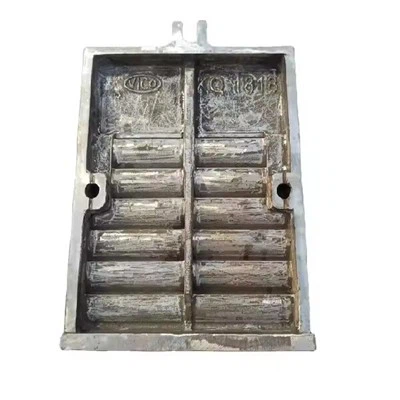
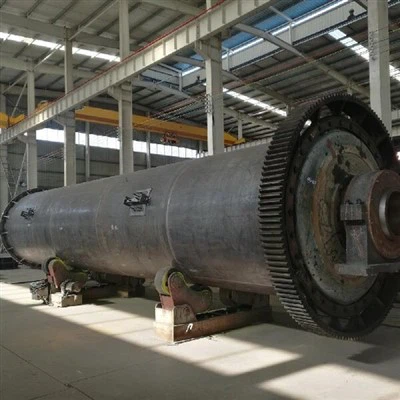
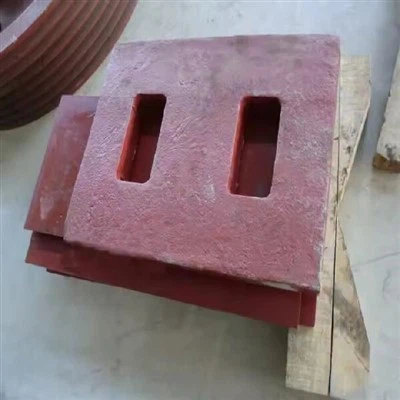
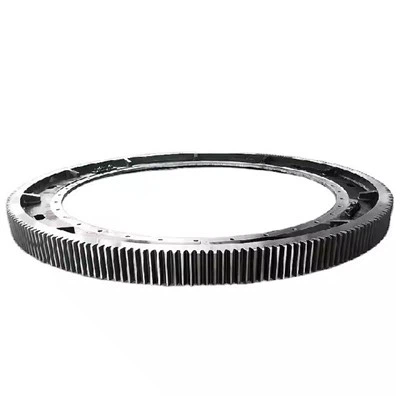
In addition to bearings, we also offer other essential ball mill parts such as Ball Mill Pinion, High - quality Ball Mill Trunnion, and Ball Mill Diaphragm. These parts are crucial for the smooth and efficient operation of the ball mill.
Conclusion
Cleaning a ball mill bearing before installation is a meticulous process that requires attention to detail. By following the steps outlined above, you can ensure that your ball mill bearing is clean, free of contaminants, and ready for installation. This will not only improve the performance of the ball mill but also extend the lifespan of the bearing.
If you are in the market for high - quality ball mill bearings or other ball mill parts, we are here to assist you. Our team of experts can provide you with the right products and technical support. Contact us for more information and to start a procurement discussion.
References
- Machinery's Handbook, 31st Edition
- Bearing Installation and Maintenance Guide, SKF
- Ball Mill Operation and Maintenance Manual, Industry Standard Publications