Designing a proper feeding system for a rotary kiln furnace is a critical task that directly impacts the efficiency, productivity, and overall performance of the kiln. As a supplier of rotary kiln furnaces, I understand the significance of a well - designed feeding system and its role in ensuring the smooth operation of the kiln. In this blog, I will share some key considerations and steps to design an appropriate feeding system for a rotary kiln furnace.
Understanding the Rotary Kiln Furnace
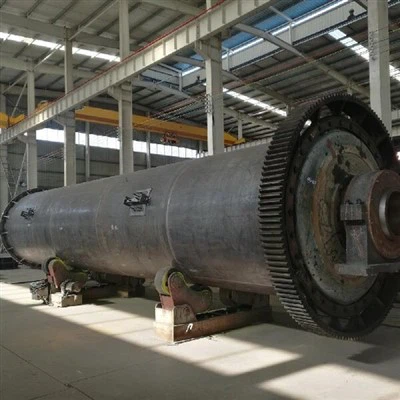
Before delving into the feeding system design, it's essential to have a clear understanding of the rotary kiln furnace itself. Rotary kilns are widely used in various industries, including cement, metallurgy, and chemical processing. They are large, rotating cylinders inclined at a slight angle, where materials are heated to high temperatures for processes such as calcination, sintering, and drying.
There are different types of rotary kiln furnaces, such as the Clinker Kiln, Cement Plant Kiln, and Rotary Drum Kiln. Each type has its own specific requirements and operating conditions, which will influence the design of the feeding system.
Key Considerations in Feeding System Design
1. Material Characteristics
The properties of the material being fed into the rotary kiln are of utmost importance. Factors such as particle size, density, moisture content, and chemical composition need to be carefully analyzed. For example, materials with a high moisture content may require pre - drying before entering the kiln to prevent issues such as clumping and uneven heating. Fine - grained materials may need special handling to avoid dust emissions and ensure proper distribution within the kiln.
2. Kiln Capacity and Throughput
The feeding system must be designed to match the capacity and throughput of the rotary kiln. This involves determining the appropriate feed rate to ensure a continuous and uniform supply of material into the kiln. Overfeeding can lead to incomplete processing, while underfeeding can result in inefficient use of energy and reduced productivity.


3. Feed Distribution
Proper feed distribution within the kiln is crucial for achieving uniform heating and product quality. The feeding system should be designed to evenly distribute the material across the cross - section of the kiln. This can be achieved through the use of feed chutes, distributors, or other specialized equipment.
4. Compatibility with Kiln Operation
The feeding system should be compatible with the operating conditions of the rotary kiln, including temperature, pressure, and rotation speed. It should be able to withstand the harsh environment inside the kiln and operate reliably over an extended period.
Steps in Designing a Feeding System
Step 1: Material Analysis
Conduct a detailed analysis of the material to be fed into the kiln. This includes laboratory testing to determine its physical and chemical properties. Based on the analysis, select the appropriate equipment and technologies for handling and feeding the material.
Step 2: Feed Rate Calculation
Determine the required feed rate based on the kiln capacity and the process requirements. Consider factors such as the residence time of the material in the kiln, the heat transfer rate, and the desired product quality. Use mathematical models and empirical data to calculate the feed rate accurately.
Step 3: Equipment Selection
Select the appropriate feeding equipment based on the material characteristics and the calculated feed rate. Common types of feeding equipment include belt conveyors, screw feeders, pneumatic conveyors, and vibrating feeders. Each type has its own advantages and limitations, and the selection should be based on factors such as the material flowability, the required feed accuracy, and the installation space.
Step 4: Feed Distribution Design
Design a feed distribution system to ensure uniform distribution of the material within the kiln. This may involve the use of adjustable feed chutes, multiple feed points, or static mixers. The feed distribution system should be designed to minimize material segregation and ensure that the material is evenly spread across the kiln cross - section.
Step 5: Control and Monitoring
Implement a control and monitoring system for the feeding system. This includes sensors to measure the feed rate, material level, and other relevant parameters. Use a programmable logic controller (PLC) or a distributed control system (DCS) to automate the feeding process and ensure that the feed rate is maintained within the desired range.
Case Studies
Let's take a look at a few case studies to illustrate the importance of a well - designed feeding system.
In a cement plant, a poorly designed feeding system was causing uneven distribution of raw materials in the Cement Plant Kiln. This led to variations in the clinker quality and increased energy consumption. By redesigning the feeding system to include a more efficient feed distributor and a better - controlled feed rate, the plant was able to achieve more uniform heating, improve clinker quality, and reduce energy costs.
In a metallurgical application, a rotary drum kiln was experiencing problems with dust emissions due to the improper handling of fine - grained materials. The original feeding system was not able to prevent dust from escaping during the feeding process. After replacing the feeding equipment with a pneumatic conveyor and adding dust collection devices, the dust emissions were significantly reduced, and the working environment was improved.
Maintenance and Troubleshooting
Once the feeding system is installed and operational, regular maintenance is essential to ensure its reliable performance. This includes cleaning, lubrication, and inspection of the feeding equipment. Common problems that may occur in the feeding system include blockages, wear and tear of components, and inaccurate feed rate control.
To troubleshoot these problems, it's important to have a clear understanding of the feeding system design and operation. Regular monitoring of the system parameters can help detect potential issues early. For example, a sudden increase in the power consumption of a feeder may indicate a blockage or a mechanical problem.
Conclusion
Designing a proper feeding system for a rotary kiln furnace is a complex but essential task. By carefully considering the material characteristics, kiln capacity, feed distribution, and compatibility with kiln operation, a well - designed feeding system can significantly improve the efficiency, productivity, and product quality of the rotary kiln.
As a supplier of rotary kiln furnaces, we have the expertise and experience to design and install customized feeding systems for our customers. If you are interested in learning more about our products and services or need assistance in designing a feeding system for your rotary kiln furnace, please feel free to contact us for further discussion and procurement negotiation.
References
- Perry, R. H., & Green, D. W. (Eds.). (2008). Perry's Chemical Engineers' Handbook. McGraw - Hill.
- Schubert, H. (1996). Size Reduction. Wiley - VCH.
- Svedeman, R. (2000). Belt Conveyors for Bulk Materials. Bulk Solids Handling.