As a seasoned supplier of Rotary Kiln Seals, I've witnessed firsthand the pivotal role that proper seal joint tightness plays in the efficient and reliable operation of rotary kilns. In this blog post, I'll share some valuable insights on how to ensure the tightness of a rotary kiln seal joint, drawing on my years of experience in the industry.
Understanding the Importance of Seal Joint Tightness
Before delving into the methods of ensuring tightness, it's crucial to understand why it matters so much. A well - sealed rotary kiln offers several benefits. Firstly, it prevents the leakage of hot gases and dust, which can not only cause environmental pollution but also pose a safety hazard to the operators. Secondly, it helps maintain the optimal temperature inside the kiln, improving the efficiency of the thermal process and reducing energy consumption. Thirdly, a tight seal protects the kiln's internal components from the ingress of external contaminants, extending their service life.
Selecting the Right Seal Material
The choice of seal material is fundamental to achieving tightness. Different materials have different properties, and the selection should be based on the specific operating conditions of the rotary kiln. For instance, in high - temperature environments, materials with excellent heat resistance such as ceramic fiber or graphite - based seals are preferred. These materials can withstand extreme temperatures without losing their sealing properties.
On the other hand, in applications where abrasion resistance is a key concern, seals made from wear - resistant polymers or metal alloys might be more suitable. As a supplier, I always recommend conducting a thorough analysis of the kiln's temperature, pressure, and the nature of the processed materials before choosing the seal material. This ensures that the selected material can provide long - term tightness under the given conditions.
Proper Installation Techniques
Even the best - quality seal materials won't perform well if they are not installed correctly. The installation process should be carried out with precision to ensure a tight fit. Here are some key steps in the installation process:
- Surface Preparation: The mating surfaces of the seal joint must be clean, smooth, and free of any debris, rust, or old sealant. Any irregularities on the surface can prevent the seal from making a proper contact, leading to leakage. Use appropriate cleaning agents and tools to prepare the surfaces thoroughly.
- Correct Alignment: The seal components must be aligned accurately during installation. Misalignment can cause uneven stress distribution on the seal, resulting in premature failure and leakage. Special alignment tools can be used to ensure that the seal is installed in the correct position.
- Proper Torque Application: When tightening the fasteners that hold the seal in place, it's essential to apply the correct torque. Over - tightening can damage the seal, while under - tightening can lead to a loose joint. Refer to the manufacturer's specifications for the recommended torque values and use a calibrated torque wrench to ensure accurate application.
Regular Maintenance and Inspection
Maintaining the tightness of a rotary kiln seal joint is an ongoing process. Regular maintenance and inspection are essential to detect and address any potential issues before they become major problems.
- Visual Inspection: Conduct regular visual inspections of the seal joint to check for signs of wear, damage, or leakage. Look for cracks, tears, or gaps in the seal material, as well as any signs of dust or gas leakage around the joint.
- Measurement of Seal Clearance: Periodically measure the clearance between the seal components. An increase in the clearance can indicate wear or misalignment, which may affect the tightness of the joint. If the clearance exceeds the recommended limits, appropriate adjustments or replacements should be made.
- Lubrication and Adjustment: Some seals require regular lubrication to maintain their flexibility and sealing performance. Follow the manufacturer's recommendations regarding the type and frequency of lubrication. Additionally, make any necessary adjustments to the seal tension or alignment to ensure optimal tightness.
Compatibility with Other Kiln Components
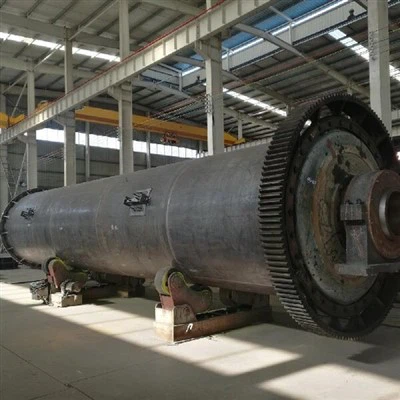
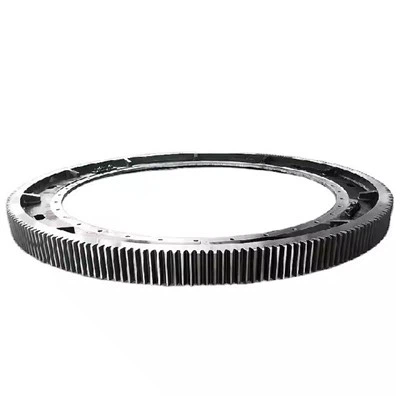
The tightness of the seal joint can also be affected by its compatibility with other components of the rotary kiln. For example, the Rotary Kiln Tyre provides support and rotation to the kiln, and any misalignment or wear in the tyre can put additional stress on the seal joint. Similarly, the Kiln Girth Gear and Kiln Thrust Roller play important roles in the kiln's operation, and their proper functioning is crucial for maintaining the integrity of the seal joint.
As a supplier, I always emphasize the importance of considering the overall system when designing and installing the seal. Ensuring that all components are in good condition and work in harmony can significantly improve the tightness and performance of the seal joint.
Monitoring and Control Systems
In modern rotary kilns, the use of monitoring and control systems can greatly enhance the ability to ensure seal joint tightness. These systems can continuously monitor parameters such as temperature, pressure, and vibration in the vicinity of the seal joint. Any abnormal changes in these parameters can be an early indication of a potential problem with the seal.
For example, an increase in temperature near the seal joint may suggest a leakage of hot gases, while abnormal vibration can indicate misalignment or wear. By setting up appropriate alarms and control mechanisms, operators can take timely action to address these issues before they cause significant damage.
Training and Education
Finally, the importance of training and education for the kiln operators and maintenance personnel cannot be overstated. Properly trained staff are more likely to install, maintain, and operate the seal joint correctly. They can recognize the signs of potential problems and take appropriate preventive measures.
As a supplier, I offer training programs to our customers to ensure that their teams have the necessary knowledge and skills to handle the seal joints effectively. These programs cover topics such as seal installation, maintenance, troubleshooting, and safety procedures.
Conclusion
Ensuring the tightness of a rotary kiln seal joint is a complex but essential task. By selecting the right seal material, using proper installation techniques, conducting regular maintenance and inspection, considering compatibility with other kiln components, implementing monitoring and control systems, and providing adequate training, the tightness of the seal joint can be maintained, leading to improved kiln performance, reduced energy consumption, and enhanced safety.


If you are looking for high - quality Rotary Kiln Seals or need more information on how to ensure the tightness of your seal joints, I encourage you to reach out to us. We have a wide range of seal products and a team of experts ready to assist you in finding the best solutions for your rotary kiln applications. Contact us today to start a procurement discussion and take your kiln operation to the next level.
References
- "Rotary Kiln Technology Handbook" - A comprehensive guide on rotary kiln design, operation, and maintenance.
- Industry standards and guidelines related to rotary kiln seals and components.
- Technical papers and research articles on rotary kiln seal performance and improvement.