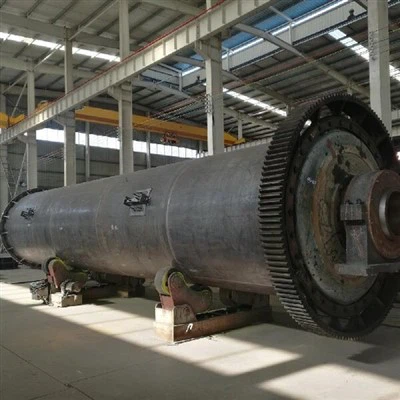
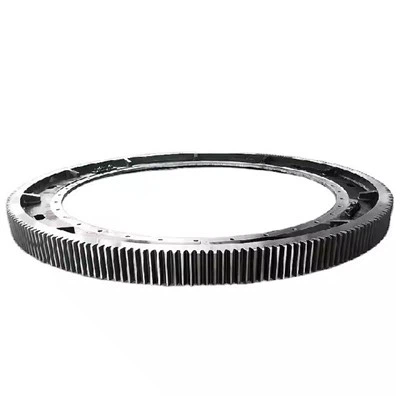
Hey there! As a ball mill material supplier, I've been in the thick of the mining industry for quite some time. And let me tell you, ball mills are like the workhorses of mining operations. They're used to grind and blend materials for further processing, and the choice of ball mill materials can make a huge difference in the efficiency and effectiveness of these operations. So, in this blog, I'm gonna walk you through some of the common ball mill materials used in mining.
Iron Ore
Iron ore is one of the most widely mined minerals in the world, and ball mills play a crucial role in its processing. The goal is to reduce the iron ore to a fine powder so that the iron can be extracted efficiently. High - carbon steel balls are often used in ball mills for iron ore processing. These balls are tough and can withstand the high - impact forces generated during the grinding process. They're also relatively inexpensive, which makes them a cost - effective choice for large - scale mining operations.
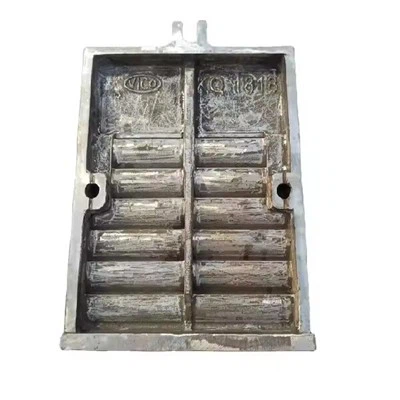
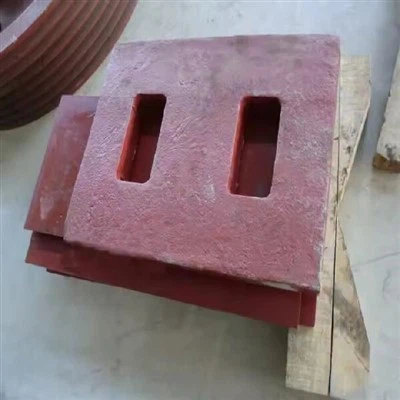
When it comes to iron ore, the hardness and abrasiveness of the material mean that the ball mill liners also need to be durable. Rubber or manganese steel liners are commonly used. Rubber liners are great because they're lightweight, provide good noise reduction, and can reduce the wear on the balls. On the other hand, manganese steel liners are extremely hard and resistant to wear, which is essential for handling the rough and tumble of iron ore grinding.
Gold Ore
Gold ore is a precious commodity, and getting every last bit of gold out of the ore is crucial. Ball mills are used to crush and grind the gold ore into a fine powder, which then allows for easier extraction of the gold. Ceramic balls are often used in ball mills for gold ore processing. Ceramic balls are very hard and have a smooth surface, which helps in achieving a more uniform grind. This is important because a more consistent particle size distribution can improve the efficiency of the gold extraction process.
The liners in gold ore ball mills are typically made of polyurethane. Polyurethane liners are resistant to abrasion and corrosion, which is important when dealing with the chemicals used in gold extraction. They also have good shock - absorbing properties, which can extend the life of the ball mill and the grinding media.


Copper Ore
Copper ore processing also heavily relies on ball mills. The ore needs to be ground to a fine size so that the copper can be separated from the other minerals. Steel balls are the go - to choice for copper ore ball mills. The size of the steel balls can vary depending on the stage of the grinding process. Larger balls are used in the initial stages to break down the larger chunks of ore, while smaller balls are used in the later stages for finer grinding.
For the liners, alloy steel liners are commonly used in copper ore ball mills. Alloy steel liners offer a good balance between hardness and toughness. They can withstand the high - energy impacts during the grinding process and also resist wear from the abrasive copper ore.
Coal Mill In Cement Plant
In the cement industry, coal is often used as a fuel, and coal mills are an important part of the process. Ball mills are used to grind the coal to a fine powder, which can then be burned more efficiently in the cement kiln. Cast iron balls are frequently used in coal ball mills. Cast iron balls are relatively inexpensive and can provide a good grinding performance for coal.
The liners in coal ball mills are usually made of mild steel. Mild steel liners are easy to manufacture and can withstand the relatively lower - impact forces compared to some of the harder ores. They also offer good corrosion resistance, which is important considering the environment in a coal mill.
Slag Ball Mill
Slag is a by - product of the metal - smelting process, and it can be further processed using ball mills. Slag can be used in the production of cement and other construction materials. For slag ball mills, forged steel balls are often used. Forged steel balls have high density and good hardness, which makes them suitable for grinding the relatively hard slag material.
The liners in slag ball mills are often made of high - chrome cast iron. High - chrome cast iron liners are extremely wear - resistant, which is necessary when dealing with the abrasive nature of slag.
Aluminum Ash Ball Mill
Aluminum ash is another material that can be processed using ball mills. The goal is to recover aluminum from the ash. Ceramic balls are a good choice for aluminum ash ball mills. They can achieve a fine grind without contaminating the aluminum.
The liners in aluminum ash ball mills can be made of plastic. Plastic liners are lightweight, corrosion - resistant, and can reduce the noise during the grinding process.
Factors Affecting the Choice of Ball Mill Materials
There are several factors that influence the choice of ball mill materials. The hardness of the ore is a major factor. Harder ores require harder grinding media and more wear - resistant liners. The size of the ore particles also matters. If the ore starts off as large chunks, larger balls will be needed in the initial grinding stages.
The throughput of the ball mill is another important consideration. High - throughput operations may require more durable materials to withstand the constant wear and tear. Cost is always a factor as well. Mining companies need to balance the performance of the ball mill materials with their cost to ensure a profitable operation.
Why Choose Our Ball Mill Materials
As a ball mill material supplier, we understand the unique requirements of the mining industry. We offer a wide range of high - quality ball mill materials, including different types of grinding balls and liners. Our products are made from the best - quality raw materials and are manufactured using advanced techniques.
We have a team of experts who can help you choose the right ball mill materials for your specific application. Whether you're dealing with iron ore, gold ore, or any other type of ore, we can provide you with the materials that will maximize the efficiency and lifespan of your ball mill.
Let's Connect!
If you're in the mining industry and are looking for reliable ball mill materials, I'd love to hear from you. Whether you have questions about our products, need advice on choosing the right materials, or are ready to place an order, don't hesitate to reach out. We're here to help you take your mining operations to the next level.
References
- Mineral Processing Design and Operations: An Introduction by Barry A. Wills and Tim Napier - Munn.
- Handbook of Mineral Dressing: Ore Testing and Grinding Circuits by A. M. Gaudin.