Gaming consoles have become an integral part of modern entertainment, offering immersive experiences that transport players to virtual worlds. However, the high - performance components within these consoles generate a significant amount of heat. To ensure optimal performance and longevity, effective cooling is essential. As a cooling parts supplier, I'll explore the various cooling parts used in gaming consoles in this blog.
Heat Sinks
Heat sinks are one of the most fundamental cooling components in a gaming console. They work by absorbing heat from the hot components, such as the CPU and GPU, and dissipating it into the surrounding air. Heat sinks are typically made of materials with high thermal conductivity, like aluminum or copper.
Aluminum heat sinks are popular due to their relatively low cost and good heat - dissipation capabilities. They are lightweight, which is an advantage in a compact gaming console. Copper heat sinks, on the other hand, have even better thermal conductivity than aluminum. Although they are more expensive, they can transfer heat more efficiently, making them suitable for high - end gaming consoles where performance is paramount.
The design of a heat sink also plays a crucial role. Finned heat sinks are commonly used, as the fins increase the surface area available for heat transfer. The larger the surface area, the more heat can be dissipated into the air. Some advanced heat sinks also feature heat pipes. Heat pipes are sealed tubes filled with a working fluid. When the heat pipe comes into contact with a hot component, the fluid inside evaporates, carrying the heat away from the source. As the vapor moves to the cooler end of the heat pipe, it condenses back into a liquid and returns to the hot end, creating a continuous cycle of heat transfer.
Fans
Fans are another essential cooling part in gaming consoles. They work in conjunction with heat sinks to move air over the heated surfaces, enhancing the heat - dissipation process. There are different types of fans used in gaming consoles, including axial fans and blower fans.
Axial fans are the most common type. They have blades that rotate around an axis, drawing air in parallel to the axis and pushing it out in the same direction. Axial fans are known for their high airflow rates and are relatively quiet. They are often used to cool the general interior of the console and to blow air over heat sinks.
Blower fans, also known as centrifugal fans, work differently. They draw air in from the center and expel it radially. Blower fans are more suitable for applications where a high - pressure airflow is required, such as cooling components in a confined space. In gaming consoles, blower fans are often used to cool the GPU, as the GPU needs a strong and focused airflow to maintain its temperature.
The speed of the fans can be controlled to optimize cooling. Many gaming consoles use variable - speed fans that adjust their speed based on the temperature of the components. When the components are running hot, the fans spin faster to increase the airflow and cool them down. When the components are at a lower temperature, the fans slow down to reduce noise.
Cooling Ducts
Cooling ducts are channels that direct the flow of air within the gaming console. They are designed to ensure that the air reaches the components that need to be cooled most effectively. Cooling ducts can be made of plastic or metal and are carefully engineered to minimize air resistance and maximize airflow.
By guiding the air through specific paths, cooling ducts prevent hot air from recirculating within the console. For example, a well - designed cooling duct can direct the cool air intake from the outside of the console directly to the heat sinks and then expel the hot air out of the console. This helps to maintain a consistent temperature within the console and improves the overall cooling efficiency.
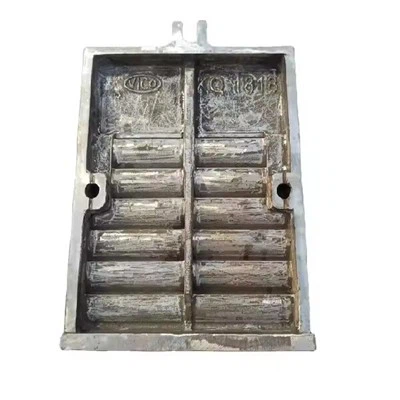
Cooler Grate Plates
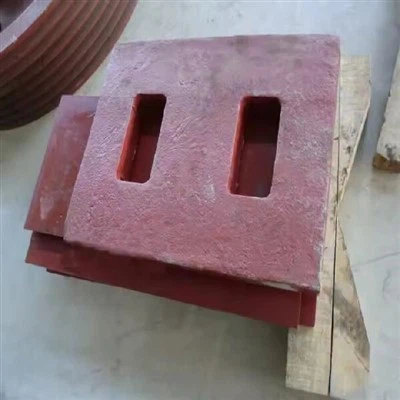
Cooler grate plates are an important part of the cooling system in a gaming console. They are usually located on the exterior of the console and act as an air intake or exhaust. The grate plates have a series of small holes or slots that allow air to flow in and out of the console while preventing large objects from entering.
These plates are designed to be aesthetically pleasing while also providing functional benefits. They can be made of various materials, such as plastic or metal. Metal cooler grate plates are more durable and can conduct heat away from the console, while plastic grate plates are lighter and more cost - effective.
The design of the grate plates also affects the airflow. A well - designed grate plate will have a pattern of holes or slots that minimizes air resistance, allowing for a smooth and efficient flow of air. This is crucial for maintaining the cooling performance of the console.
Reclaimer Chain
In some advanced gaming console cooling systems, a reclaimer chain may be used. The reclaimer chain is a unique component that helps to recycle and reuse the heat generated by the console's components.
The basic principle of a reclaimer chain is to capture the heat that would otherwise be wasted and use it for other purposes. For example, the heat can be used to warm up other parts of the console that need a certain temperature to function optimally, or it can be transferred to a small thermoelectric generator to produce a small amount of electricity. This not only improves the energy efficiency of the console but also helps to reduce the overall heat load on the cooling system.
Liquid Cooling Systems
Although less common in mainstream gaming consoles, liquid cooling systems are becoming more popular in high - end and custom - built gaming consoles. A liquid cooling system consists of a liquid coolant, a pump, a radiator, and tubing.
The liquid coolant, usually a mixture of water and additives, absorbs heat from the hot components. The pump circulates the coolant through the tubing to the radiator. The radiator is a large heat exchanger that dissipates the heat from the coolant into the surrounding air. Fans are often used in conjunction with the radiator to enhance the heat - dissipation process.


Liquid cooling systems can provide more efficient cooling than air - based systems, especially for high - performance components that generate a large amount of heat. They are also quieter, as the liquid coolant can absorb and dampen the vibrations and noise generated by the components.
Importance of Quality Cooling Parts
Using high - quality cooling parts in a gaming console is crucial for several reasons. Firstly, it ensures the reliable performance of the console. Overheating can cause components to throttle, reducing their performance and leading to a less enjoyable gaming experience. By keeping the components at a stable temperature, quality cooling parts allow the console to run at its full potential.
Secondly, good cooling extends the lifespan of the components. High temperatures can cause wear and tear on the electronic components, leading to premature failure. By maintaining a lower temperature, the cooling parts help to reduce the stress on the components and increase their longevity.
Finally, quality cooling parts contribute to a quieter gaming environment. As mentioned earlier, variable - speed fans and efficient cooling designs can reduce the noise generated by the cooling system, allowing gamers to focus on the game without being distracted by loud fan noise.
Contact for Procurement
If you are in the market for high - quality cooling parts for gaming consoles, I invite you to contact me for procurement and further discussion. Whether you are a console manufacturer looking to source reliable cooling components or an individual gamer interested in upgrading your console's cooling system, I can provide you with a wide range of options. Our cooling parts are designed to meet the highest standards of quality and performance, ensuring that your gaming console stays cool and performs at its best.
References
- "Thermal Management in Electronic Devices and Systems" by Avram Bar - Cohen, D. B. Tuckerman.
- "Fundamentals of Heat and Mass Transfer" by Frank P. Incropera, David P. DeWitt, Theodore L. Bergman, Adrienne S. Lavine.
- Industry reports on gaming console technology and cooling solutions.