Hey there! As a ball mill material supplier, I've been in the thick of the industry for quite a while. One question that keeps popping up is, "What are the differences between natural and synthetic ball mill materials?" Well, let's dive right in and break it down.
Composition and Source
First off, let's talk about where these materials come from. Natural ball mill materials are, as the name suggests, sourced directly from the earth. Things like limestone, granite, and various ores fall into this category. These materials are mined and then processed to be used in ball mills. Limestone, for example, is a sedimentary rock that's abundant in many parts of the world. It's a key ingredient in the production of cement and is often ground using a Limestone Grinding Mill.
On the other hand, synthetic ball mill materials are man - made. They're created through chemical processes in a laboratory or industrial setting. For instance, some types of ceramic materials used in ball mills are synthetic. These materials are designed to have specific properties that make them suitable for particular applications.
Physical Properties
When it comes to physical properties, there are some significant differences. Natural materials tend to have more variability. Their composition can vary depending on the location where they're mined. For example, limestone from one quarry might have a slightly different chemical composition and hardness compared to limestone from another quarry. This variability can sometimes pose challenges in achieving consistent results in the ball milling process.
Synthetic materials, however, can be engineered to have very precise physical properties. They can be made to have a specific hardness, density, and particle size distribution. This makes them ideal for applications where consistency is crucial. For example, Ceramic Ball Mill Machine often use synthetic ceramic balls that are designed to have uniform properties, ensuring a more predictable milling outcome.
Chemical Properties
Chemically, natural materials are a complex mix of various elements and compounds. Limestone, for example, is mainly composed of calcium carbonate, but it can also contain small amounts of other minerals like magnesium carbonate, silica, and iron oxides. These additional components can affect the chemical reactions that occur during the ball milling process.
Synthetic materials, on the other hand, can be tailored to have specific chemical properties. They can be made to be inert, meaning they won't react with the material being milled. This is particularly useful in applications where chemical purity is important, such as in the pharmaceutical or food industries.
Cost
Cost is another important factor. Natural ball mill materials are generally cheaper, especially if they're locally sourced. The cost of mining and processing these materials is often lower compared to the cost of synthesizing materials. However, the variability in quality can sometimes lead to additional costs in terms of quality control and process optimization.
Synthetic materials are usually more expensive due to the complex chemical processes involved in their production. But in some cases, the benefits of their consistent properties can outweigh the higher cost. For example, in high - precision applications like the production of advanced electronic components, the use of synthetic ball mill materials can result in higher - quality products and fewer production errors.
Environmental Impact
The environmental impact of these two types of materials is also different. Mining natural materials can have a significant environmental footprint. It can lead to deforestation, soil erosion, and water pollution. The energy required for mining, transportation, and processing also contributes to greenhouse gas emissions.
Synthetic materials, while they require energy for their production, can sometimes be more environmentally friendly in the long run. They can be designed to be more energy - efficient in the ball milling process and can be recycled more easily. For example, some synthetic ceramic materials can be reused multiple times, reducing waste.
Applications
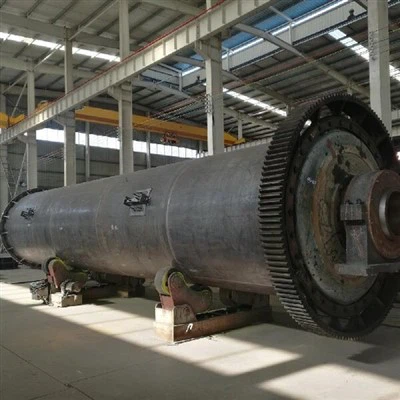
The differences in properties also lead to different applications. Natural materials are commonly used in large - scale industrial applications where cost is a major factor. For example, High Quality Cement Ball Mill often use natural limestone as a raw material. Limestone is abundant and relatively inexpensive, making it a practical choice for the cement industry.
Synthetic materials are used in more specialized applications where precision and consistency are required. They're commonly used in the production of high - tech products such as semiconductors, aerospace components, and medical devices.


Durability
Durability is an important consideration when choosing ball mill materials. Natural materials can vary in their durability. Some natural stones are quite hard and can withstand the abrasion and impact forces in a ball mill for a long time. However, others may be more prone to wear and breakage.
Synthetic materials can be designed to be extremely durable. They can be engineered to resist abrasion, corrosion, and high - temperature conditions. This makes them suitable for applications where the ball mill operates under harsh conditions.
Availability
Natural materials are generally more widely available, especially in regions where they're mined. However, the quality and quantity of these materials can be affected by factors such as mining regulations, geological conditions, and market demand.
Synthetic materials may have more limited availability, especially if they're produced by a small number of specialized manufacturers. However, as technology advances, the production of synthetic materials is becoming more widespread, and their availability is gradually increasing.
In conclusion, both natural and synthetic ball mill materials have their own unique advantages and disadvantages. The choice between the two depends on a variety of factors, including the specific application, cost, quality requirements, and environmental considerations.
If you're in the market for ball mill materials and are unsure which type is right for your needs, don't hesitate to reach out. We're here to help you make an informed decision and provide you with the best materials for your ball milling process. Whether you need natural materials for a large - scale industrial project or synthetic materials for a high - precision application, we've got you covered. Let's start a conversation and find the perfect solution for you!
References
- "Ball Mill Handbook" - A comprehensive guide on ball mill technology and materials.
- "Materials Science for Ball Milling" - A research paper that delves into the properties of different ball mill materials.
- Industry reports on the production and use of natural and synthetic ball mill materials.