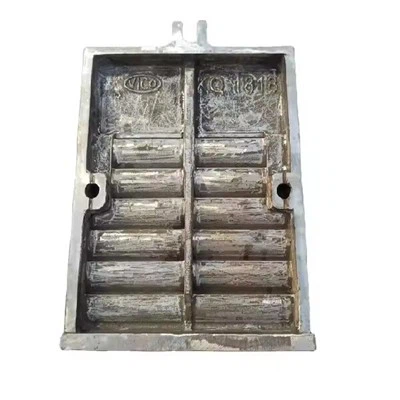
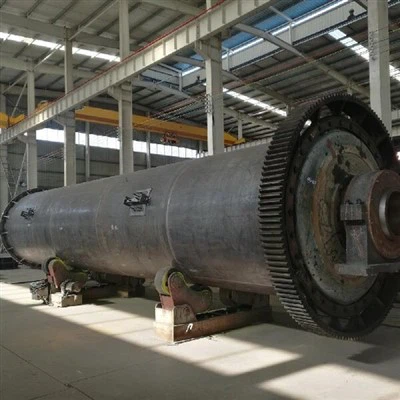
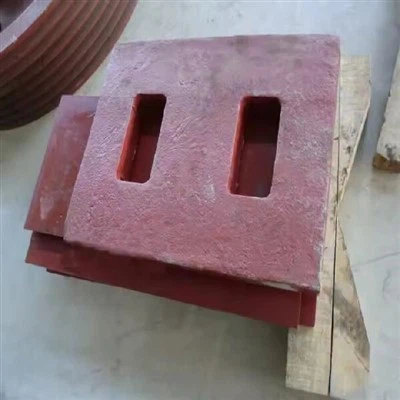
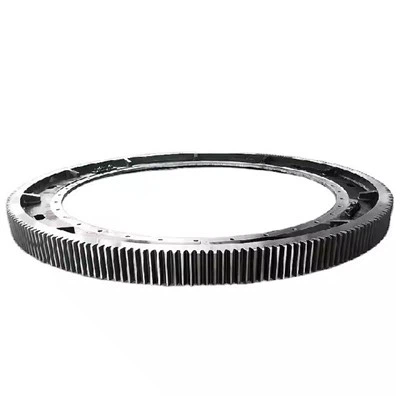
As a supplier of Jaw Crusher Plates, I've had extensive hands - on experience with high - manganese steel jaw crusher plates. While high - manganese steel is widely used in the manufacturing of these plates due to its well - known advantages such as high toughness and good work - hardening ability, it also has several notable disadvantages that potential buyers should be aware of.
1. High Initial Cost
One of the primary drawbacks of high - manganese steel jaw crusher plates is their relatively high initial cost. The production of high - manganese steel involves a complex and energy - intensive process. Specialized equipment is required to melt and refine the steel with the precise composition of manganese, typically around 11 - 14%. The raw materials themselves, including high - grade manganese ore, are also more expensive compared to other common steels.
For small - scale mining or construction companies with tight budgets, the high upfront investment in high - manganese steel jaw crusher plates can be a significant deterrent. They may be forced to look for more cost - effective alternatives, even if it means sacrificing some of the performance characteristics. This high cost can also limit the ability of new entrants in the crushing industry to adopt high - manganese steel plates, potentially affecting their competitiveness in the market.
2. Limited Wear Resistance in Low - Impact Conditions
High - manganese steel is renowned for its work - hardening ability, which means it becomes harder and more wear - resistant when subjected to high - impact forces. However, in low - impact crushing applications, this work - hardening effect is not fully realized.
In situations where the jaw crusher is used to crush relatively soft materials or when the crushing forces are not very high, the surface of the high - manganese steel plate does not harden effectively. As a result, the wear rate can be relatively high, and the plate may need to be replaced more frequently than expected. This is in contrast to other types of wear - resistant materials that can maintain good wear resistance even under low - impact conditions. For example, some specialized alloy steels or composite materials can offer better performance in such scenarios.
3. Brittleness After Repeated Use
Over time, high - manganese steel jaw crusher plates can become brittle after repeated cycles of impact and stress. When the plates are exposed to continuous high - impact forces during the crushing process, micro - cracks can form on the surface. These micro - cracks gradually propagate and can lead to larger cracks and even breakage of the plate.
The brittleness issue is particularly problematic in applications where the crusher operates for long hours or in harsh environments. Once the plate becomes brittle, its structural integrity is compromised, and it may fail suddenly, causing unexpected downtime for the crushing operation. This can result in significant losses for the user, as they need to stop the production, replace the damaged plate, and potentially repair any other components that may have been affected by the broken plate.
4. Difficulty in Machining and Welding
High - manganese steel is notoriously difficult to machine and weld. Its high manganese content gives it unique metallurgical properties that make traditional machining processes challenging. The work - hardening effect occurs very quickly during machining, which can cause the cutting tools to wear out rapidly. This increases the machining cost and time, as more frequent tool changes are required.
Welding high - manganese steel is also a complex task. Special welding techniques and electrodes are needed to ensure a proper weld joint. If the welding is not done correctly, it can lead to the formation of cracks and other defects in the welded area. These defects can further weaken the plate and reduce its overall performance and lifespan. For maintenance and repair purposes, the difficulty in machining and welding high - manganese steel can be a major headache for the users, as it requires specialized skills and equipment.
5. High Weight
High - manganese steel jaw crusher plates are relatively heavy compared to plates made from some other materials. The high density of high - manganese steel means that the plates add a significant amount of weight to the jaw crusher. This can have several negative implications.
Firstly, the increased weight requires more powerful motors to drive the crusher, which leads to higher energy consumption. In an era where energy efficiency is a top priority, the high energy consumption associated with high - manganese steel plates can be a major drawback. Secondly, the heavy plates can put more stress on the crusher's frame and other components, potentially leading to premature wear and failure of these parts. This can increase the maintenance cost and downtime of the crusher.


Comparison with Other Crusher Parts
When comparing high - manganese steel jaw crusher plates with other crusher parts such as Impact Crusher Rotor and Crusher Spring, we can see some differences in their performance and limitations.
Impact crusher rotors are designed to handle high - speed impacts and are often made from materials that can withstand extreme forces. While they also face wear and tear, the design and material selection for impact crusher rotors are optimized for a different type of crushing process compared to jaw crusher plates. Crusher springs, on the other hand, are mainly used to provide a certain amount of flexibility and cushioning in the crusher. They are not subject to the same type of direct wear as jaw crusher plates but can still experience fatigue and failure over time.
Conclusion
Despite the many advantages that high - manganese steel offers in the context of jaw crusher plates, it is important for potential buyers to be aware of its disadvantages. The high initial cost, limited wear resistance in low - impact conditions, brittleness after repeated use, difficulty in machining and welding, and high weight are all factors that need to be considered when choosing the right jaw crusher plates for a specific application.
If you are in the market for Jaw Crusher Plate and want to discuss the suitability of high - manganese steel plates for your needs, or if you are interested in exploring other options, I encourage you to reach out. We have a team of experts who can provide you with detailed information and guidance to help you make an informed decision.
References
- Smith, J. (2018). "Wear Resistance of High - Manganese Steel in Crushing Applications". Journal of Mining and Materials Processing, 25(3), 45 - 52.
- Johnson, R. (2019). "Challenges in Machining and Welding High - Manganese Steel". Metallurgical Engineering Review, 32(2), 67 - 74.
- Brown, A. (2020). "The Impact of Plate Weight on Crusher Performance". Crushing Technology Journal, 18(4), 89 - 96.