Humidity is an environmental factor that often goes unnoticed but can have significant effects on various industrial equipment, including ball mill parts. As a supplier of high - quality ball mill parts, I've witnessed firsthand how humidity can impact the performance, durability, and lifespan of these components. In this blog, I'll delve into the different ways humidity affects ball mill parts and what you can do to mitigate these effects.
Corrosion and Rusting
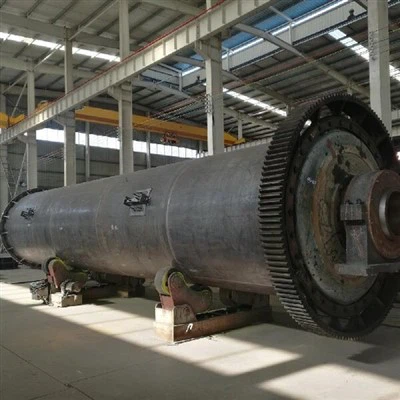
One of the most obvious and detrimental effects of high humidity on ball mill parts is corrosion and rusting. When the air is saturated with moisture, metal parts such as High - quality Ball Mill Trunnion are at risk of oxidation. The trunnion, which is a crucial part of the ball mill that supports the rotating drum, is typically made of steel. Steel contains iron, and when exposed to water vapor in the air, a chemical reaction occurs that forms iron oxide, commonly known as rust.
Rust weakens the structural integrity of the trunnion. Over time, it can cause pitting and flaking of the metal surface. This not only reduces the strength of the trunnion but also affects its dimensional accuracy. A corroded trunnion may lead to misalignment of the ball mill drum, resulting in uneven wear on other parts and potentially causing the entire mill to malfunction.
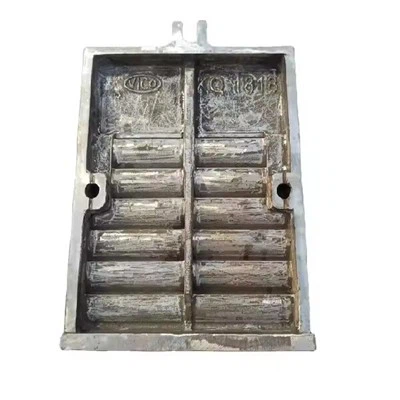
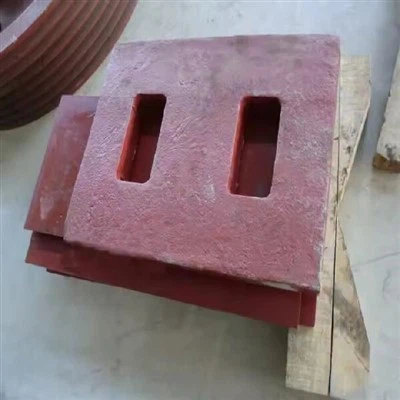
Similarly, Ball Mill Linling Plate can also be affected by corrosion. Liners are designed to protect the mill shell from abrasion caused by the grinding media and the material being processed. However, if they are corroded due to high humidity, their protective function is compromised. Corroded liners may break or wear out more quickly, exposing the mill shell to direct contact with the abrasive materials, which can lead to costly repairs and downtime.
Lubrication Degradation
Humidity can also have a negative impact on the lubrication of ball mill parts. Many ball mill components, such as Ball Mill Bearing, rely on proper lubrication to reduce friction and prevent wear. When humidity is high, water can mix with the lubricating oil or grease.
Water in the lubricant can cause several problems. First, it can emulsify the oil, changing its viscosity and reducing its ability to form a protective film between moving parts. This increases friction and wear on the bearings, leading to premature failure. Second, water can promote the growth of bacteria and fungi in the lubricant, which can further degrade its quality and cause corrosion of the bearing surfaces.


In addition, high humidity can cause condensation inside the bearing housing. Condensation can drip onto the bearings and contaminate the lubricant. The presence of water in the bearings can also lead to the formation of rust on the bearing races and balls, which can severely damage the bearings and require their replacement.
Material Swelling and Deformation
Some non - metal ball mill parts, such as rubber liners or gaskets, can be affected by humidity through swelling and deformation. Rubber materials absorb moisture from the air, especially in high - humidity environments. When rubber liners absorb water, they can swell, which may cause them to lose their proper fit within the mill.
Swollen rubber liners can create gaps between the liner and the mill shell, allowing the grinding media and the processed material to penetrate. This can lead to increased wear on the mill shell and other parts. In addition, the deformation of rubber gaskets can compromise the sealing of the ball mill, leading to leaks of the processed material or the lubricant, which can pose safety hazards and environmental problems.
Electrical Component Malfunction
Ball mills often have electrical components, such as motors, sensors, and control systems. High humidity can cause electrical problems in these components. Moisture can conduct electricity, which can lead to short - circuits and electrical failures.
Corrosion can also occur on the electrical contacts and wiring due to high humidity. Corroded contacts can increase electrical resistance, causing overheating and potential damage to the electrical components. In addition, moisture can cause the insulation of the wiring to degrade, increasing the risk of electrical shock and fire.
Mitigating the Effects of Humidity
As a ball mill parts supplier, I understand the importance of helping my customers mitigate the effects of humidity on their equipment. Here are some suggestions:
Environmental Control
Controlling the environment where the ball mill is located is crucial. Installing dehumidifiers in the mill room can help reduce the humidity level. Maintaining a relative humidity of around 40 - 60% is generally recommended for optimal operation of ball mill parts. Proper ventilation is also important to remove moisture - laden air and prevent the buildup of humidity.
Protective Coatings
Applying protective coatings to metal ball mill parts can help prevent corrosion. There are various types of coatings available, such as epoxy coatings, zinc coatings, and powder coatings. These coatings create a barrier between the metal surface and the moisture in the air, reducing the risk of oxidation.
Regular Maintenance and Inspection
Regular maintenance and inspection of ball mill parts are essential to detect and address humidity - related issues early. This includes checking the lubricant for water contamination, inspecting the metal parts for signs of corrosion, and examining the rubber components for swelling or deformation. Replacing worn or damaged parts in a timely manner can prevent more serious problems from occurring.
Proper Storage
When storing ball mill parts, it's important to keep them in a dry environment. Parts should be stored in sealed containers or wrapped in moisture - resistant materials to prevent them from being exposed to high humidity.
In conclusion, humidity can have a significant impact on ball mill parts, including corrosion, lubrication degradation, material swelling, and electrical component malfunction. As a supplier of high - quality ball mill parts, I'm committed to providing my customers with the best products and advice to help them deal with these challenges. If you're experiencing issues with your ball mill parts due to humidity or are interested in purchasing high - quality replacement parts, please feel free to contact me for more information and to discuss your specific needs. I'm here to assist you in ensuring the optimal performance and longevity of your ball mill.
References
- ASM Handbook Volume 13A: Corrosion: Fundamentals, Testing, and Protection. ASM International.
- Tribology Handbook. CRC Press.
- Machinery's Handbook. Industrial Press Inc.