What are the environmental impacts of a gypsum rotary kiln?
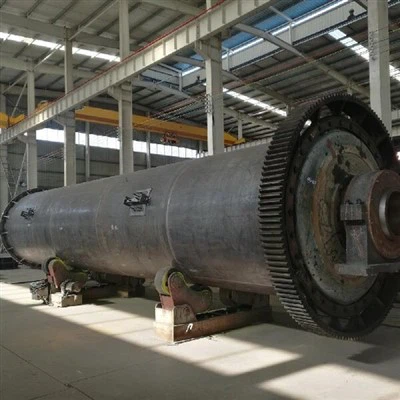
As a supplier of gypsum rotary kilns, I've witnessed firsthand the critical role these machines play in various industries, particularly in gypsum processing. However, it's essential to understand the environmental impacts associated with their operation. This blog post aims to delve into the environmental aspects of gypsum rotary kilns, exploring both the positive and negative effects and discussing potential mitigation strategies.
Positive Environmental Impacts
One of the significant advantages of gypsum rotary kilns is their ability to recycle and reuse gypsum waste. Gypsum is a common by - product in many industrial processes, such as flue gas desulfurization in power plants and the production of phosphoric acid. Instead of disposing of this waste in landfills, gypsum rotary kilns can convert it into useful building materials like plasterboard. By recycling gypsum waste, we reduce the demand for virgin gypsum extraction, which helps conserve natural resources and minimize the environmental damage caused by mining activities.
Moreover, the energy efficiency of modern gypsum rotary kilns has improved significantly over the years. Advanced technologies, such as pre - heating systems and waste heat recovery, allow these kilns to utilize energy more effectively. For instance, waste heat from the kiln can be captured and used to pre - heat the incoming gypsum material or for other industrial processes within the plant. This not only reduces the overall energy consumption of the kiln but also decreases greenhouse gas emissions associated with energy production.
Negative Environmental Impacts
Despite the positive aspects, gypsum rotary kilns also pose several environmental challenges. One of the most significant concerns is air pollution. During the calcination process in the kiln, various pollutants are released into the atmosphere. These include particulate matter (PM), sulfur dioxide (SO₂), nitrogen oxides (NOₓ), and carbon monoxide (CO).
Particulate matter consists of tiny solid or liquid particles suspended in the air. When inhaled, these particles can cause respiratory problems, such as asthma and bronchitis, and even increase the risk of lung cancer. The combustion of fossil fuels in the kiln to provide heat is a major source of PM emissions. Additionally, the handling and transportation of gypsum materials can also generate dust, which contributes to PM pollution.
Sulfur dioxide is another harmful pollutant emitted by gypsum rotary kilns. It is produced when sulfur - containing fuels are burned or when sulfur compounds in the gypsum are released during the calcination process. SO₂ can react with water vapor in the atmosphere to form sulfuric acid, which is a major component of acid rain. Acid rain can damage forests, lakes, and buildings, and it also has a negative impact on aquatic ecosystems.
Nitrogen oxides are formed when nitrogen in the air reacts with oxygen at high temperatures in the kiln. NOₓ emissions can contribute to the formation of ground - level ozone, a harmful air pollutant that can cause respiratory problems and damage crops. In addition, NOₓ can also react with other pollutants in the atmosphere to form fine particulate matter, further exacerbating air quality issues.
Carbon monoxide is a colorless and odorless gas that is produced by incomplete combustion in the kiln. It is toxic to humans and animals, as it binds to hemoglobin in the blood, preventing the normal transport of oxygen. High levels of CO in the atmosphere can lead to headaches, dizziness, and even death in severe cases.
Another environmental concern is water pollution. Gypsum rotary kilns may generate wastewater during the cooling and cleaning processes. This wastewater can contain various contaminants, such as heavy metals, gypsum residues, and chemicals used in the kiln operation. If not properly treated, this wastewater can contaminate surface water and groundwater, posing a threat to aquatic life and human health.
Mitigation Strategies
To address the environmental impacts of gypsum rotary kilns, several mitigation strategies can be implemented. For air pollution control, the use of air pollution control devices is essential. These devices include bag filters, electrostatic precipitators, and scrubbers.


Bag filters are effective in removing particulate matter from the flue gas. They work by passing the gas through a series of fabric bags, which trap the particles. Electrostatic precipitators use an electrostatic charge to attract and collect PM on charged plates. Scrubbers, on the other hand, are used to remove SO₂ and other acidic gases from the flue gas. They work by spraying a liquid solution, usually containing lime or limestone, into the gas stream. The SO₂ reacts with the solution to form a solid compound, which can be removed from the gas.
To reduce NOₓ emissions, low - NOₓ burners can be installed in the kiln. These burners are designed to control the combustion process in a way that minimizes the formation of NOₓ. Selective catalytic reduction (SCR) and selective non - catalytic reduction (SNCR) are also commonly used technologies for NOₓ control. These processes involve injecting a reducing agent, such as ammonia or urea, into the flue gas to convert NOₓ into nitrogen and water.
For water pollution prevention, proper wastewater treatment systems should be installed in the plant. These systems can include sedimentation tanks, filtration units, and chemical treatment processes to remove contaminants from the wastewater. The treated water can then be reused within the plant or safely discharged into the environment.
Other Rotary Kiln Options
In addition to gypsum rotary kilns, there are other types of rotary kilns that may be of interest to industries. For example, the Sludge Incineration Kiln is designed to treat sludge from wastewater treatment plants or industrial processes. It can effectively reduce the volume of sludge and convert it into ash, which can be further processed or disposed of safely.
The Activated Carbon Rotary Kiln is used in the production of activated carbon, a highly porous material with a large surface area. Activated carbon is widely used for water purification, air filtration, and other environmental applications.
The Bauxite Rotary Kiln is an important piece of equipment in the aluminum industry. It is used to calcine bauxite ore, which is the primary source of aluminum.
Conclusion
In conclusion, gypsum rotary kilns have both positive and negative environmental impacts. While they offer the benefits of waste recycling and energy efficiency, they also contribute to air and water pollution. However, with the implementation of appropriate mitigation strategies, such as air pollution control devices and wastewater treatment systems, these environmental impacts can be minimized.
As a supplier of gypsum rotary kilns, we are committed to providing our customers with high - quality and environmentally friendly kiln solutions. We continuously invest in research and development to improve the energy efficiency and environmental performance of our products. If you are interested in our gypsum rotary kilns or other related products, we encourage you to contact us for more information and to discuss your specific requirements. We look forward to the opportunity to work with you and contribute to a more sustainable future.
References
- "Air Pollution Control Technology for Industrial Sources" by the Environmental Protection Agency.
- "Wastewater Treatment and Reuse" by the World Bank.
- "Rotary Kiln Technology and Applications" by various industry research papers.