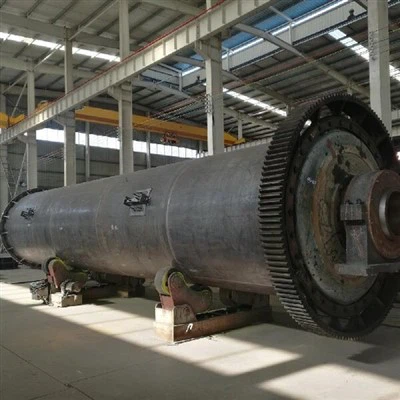
Hey there! As a supplier of ball mill bearings, I've seen firsthand how crucial these components are for the smooth operation of ball mills. A ball mill bearing's performance can make or break the efficiency and productivity of the entire milling process. So, let's dive into the factors that can affect the performance of a ball mill bearing.
1. Lubrication
Lubrication is like the life - blood of a ball mill bearing. It reduces friction between the moving parts, which in turn minimizes wear and tear. If the lubricant is not of the right quality, it won't be able to form an effective film between the bearing surfaces. This can lead to metal - to - metal contact, generating excessive heat and causing premature failure of the bearing.
The viscosity of the lubricant also matters a great deal. If it's too low, it won't provide enough protection. On the other hand, if it's too high, it can cause energy losses due to increased resistance. Regular lubricant analysis is essential to ensure that it's still in good condition. We also need to follow the correct lubrication intervals. Over - lubrication can be just as bad as under - lubrication, as it can cause overheating and attract contaminants.
2. Contamination
Contamination is a major enemy of ball mill bearings. Dust, dirt, and other foreign particles can find their way into the bearing, causing abrasion and damage to the raceways and rolling elements. In a ball mill environment, there's usually a lot of fine powder flying around, and if the bearing seals are not effective, these particles can easily enter.
Water is another common contaminant. It can cause corrosion of the bearing surfaces, reducing their hardness and strength. Even small amounts of water can react with the lubricant, forming acids that further damage the bearing. To prevent contamination, we need to use high - quality seals. Regular inspection of the seals is also necessary to make sure they're intact. And of course, keeping the operating environment as clean as possible helps a lot.


3. Load and Speed
The load that a ball mill bearing has to carry is a critical factor. If the load is too high, it can cause excessive stress on the bearing components. This can lead to fatigue failure, where cracks start to form on the raceways or rolling elements over time. We need to ensure that the bearing is properly sized for the specific application.
The speed at which the ball mill operates also affects the bearing performance. Higher speeds generate more heat due to increased friction. If the bearing can't dissipate this heat effectively, it can lead to thermal expansion, which can change the internal clearances of the bearing. This, in turn, can affect the load distribution and increase the risk of failure. We need to select a bearing that can handle the required speed and also have proper cooling mechanisms in place if necessary.
4. Installation and Alignment
Proper installation is key to the long - term performance of a ball mill bearing. If the bearing is not installed correctly, it can cause uneven loading on the components. For example, if the bearing is not centered properly on the shaft or in the housing, it can lead to misalignment. Misalignment can cause additional stress on the bearing, increase friction, and generate more heat.
During installation, we need to use the right tools and follow the manufacturer's guidelines. This includes using the correct mounting and dismounting procedures. After installation, it's important to check the alignment of the shaft and the housing. Any misalignment should be corrected immediately to prevent premature bearing failure.
5. Material and Design
The material of the bearing itself plays a significant role in its performance. High - quality bearing steels are designed to have high hardness, toughness, and wear resistance. A bearing made from inferior materials will not be able to withstand the harsh operating conditions of a ball mill for long.
The design of the bearing also matters. Different designs are suitable for different applications. For example, some bearings are better at handling radial loads, while others are more suitable for axial loads. The internal geometry of the bearing, such as the shape of the raceways and the size of the rolling elements, can affect the load distribution and the overall performance.
Related Spare Parts
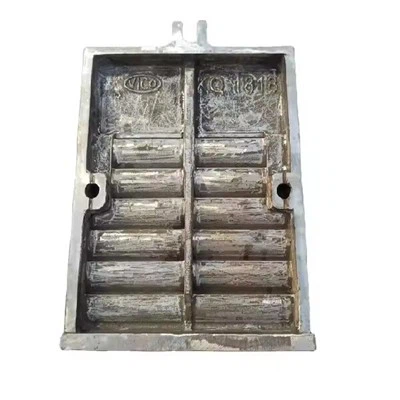
When it comes to ball mills, there are also other important spare parts that can influence the bearing performance. For instance, Grinding Balls for Ball Mill are used to grind the materials inside the mill. If the grinding balls are of poor quality or the wrong size, it can cause uneven loading on the mill and, in turn, affect the bearing.
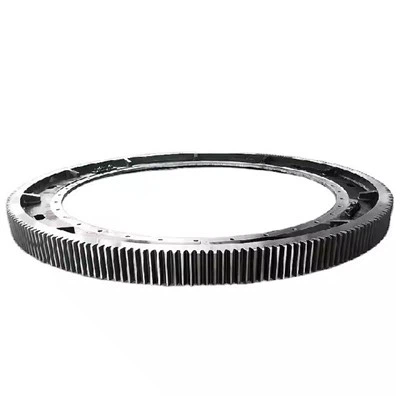
The Ball Mill Pinion is responsible for transmitting power to the mill. A damaged or misaligned pinion can cause vibrations and additional stress on the bearings.
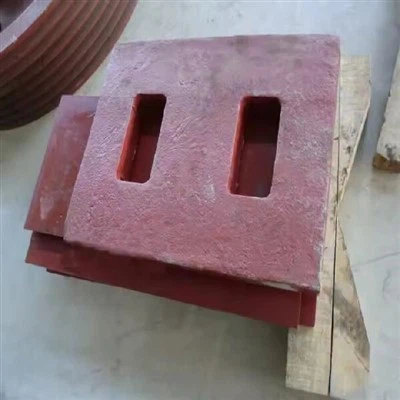
The Ball Mill Linling Plate lines the inside of the mill and protects it from wear. If the linling plate is worn out or not installed correctly, it can lead to abnormal movement of the grinding media, which can impact the bearing performance.
Conclusion
In conclusion, the performance of a ball mill bearing is affected by a variety of factors, including lubrication, contamination, load and speed, installation and alignment, and material and design. As a ball mill bearing supplier, we understand the importance of these factors and strive to provide high - quality bearings that can withstand the challenges of the ball mill environment.
If you're in the market for ball mill bearings or any of the related spare parts, we'd love to have a chat with you. We can offer you expert advice on the best products for your specific needs and help you ensure the optimal performance of your ball mill. Don't hesitate to reach out for a purchase negotiation.
References
- "Bearing Handbook" by SKF
- "Mechanical Design of Machine Elements and Machines: A Failure - Prevention Perspective" by Robert C. Juvinall and Kurt M. Marshek