Hey there! As a supplier of gypsum rotary kilns, I often get asked about the installation requirements for these bad boys. So, I figured I'd put together a blog post to share some insights.
Site Selection
First off, picking the right site is crucial. The ground where you're setting up the gypsum rotary kiln needs to be solid and level. Uneven ground can cause all sorts of problems down the line, like the kiln wobbling or uneven wear on its components. You don't want that!
It's also important to make sure there's enough space around the kiln. You'll need room for maintenance, access to different parts of the kiln, and for any additional equipment that might be part of the process. And don't forget about ventilation. A good flow of air is essential to keep the kiln running efficiently and to prevent the build - up of harmful gases.
Foundation Preparation
Once you've found the perfect spot, it's time to work on the foundation. The foundation needs to be able to support the weight of the entire kiln and its contents. We're talking about a pretty hefty piece of machinery, so no cutting corners here.
The depth and size of the foundation depend on the size and type of the gypsum rotary kiln. For larger kilns, you might need a deeper and more extensive foundation. Reinforced concrete is usually the go - to material for these foundations because it's strong and durable.


Installation of the Kiln Shell
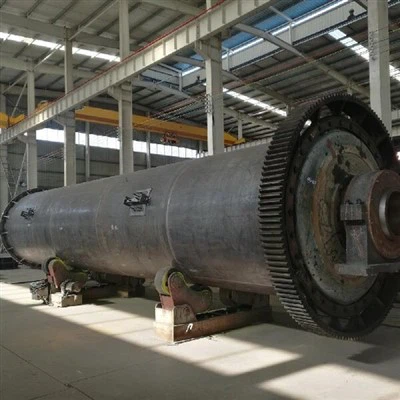
The kiln shell is the main body of the gypsum rotary kiln. Installing it correctly is a real pain in the neck, but it's super important. First, you'll need to lift the shell into place using a crane or other heavy - lifting equipment. Make sure the alignment is spot - on. Even a small misalignment can lead to problems with the rotation of the kiln and cause damage to the internal linings.
Once the shell is in position, you need to secure it to the foundation. This is usually done using bolts or other fastening methods. Double - check that everything is tight and secure before moving on to the next step.
Installation of the Support Rollers
The support rollers are what keep the kiln shell rotating smoothly. They need to be installed precisely. The spacing between the rollers should be uniform, and they should be level with each other. Any misalignment can cause uneven wear on the rollers and the kiln shell, which can lead to costly repairs.
During the installation, make sure the rollers are lubricated properly. This will reduce friction and help the kiln run more efficiently. You'll also need to set up a system for monitoring the temperature and wear of the rollers.
Installation of the Drive System
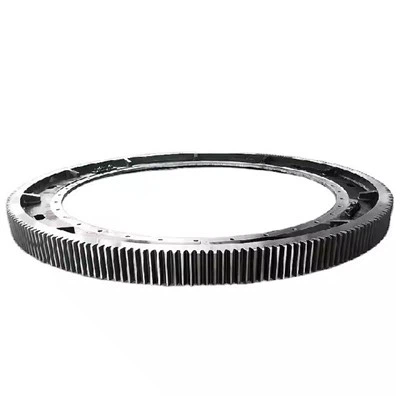
The drive system is what makes the gypsum rotary kiln spin. It usually consists of a motor, a gearbox, and a pinion that meshes with a ring gear on the kiln shell. Installing the drive system requires careful alignment to ensure smooth operation.
The motor and gearbox need to be mounted on a sturdy base. The alignment between the pinion and the ring gear is crucial. If they're not aligned correctly, the drive system won't work efficiently, and you might hear some strange noises coming from the kiln.
Installation of the Internal Linings
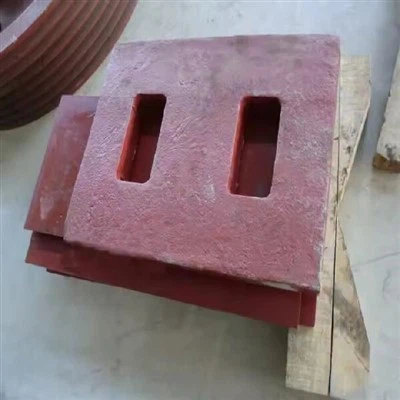
The internal linings of the gypsum rotary kiln protect the kiln shell from the high temperatures and chemicals inside the kiln. There are different types of linings available, depending on the specific application of the kiln.
Installing the linings is a delicate process. You need to make sure they're properly fitted and sealed to prevent any heat or gas leakage. The linings also need to be installed in a way that allows for expansion and contraction due to temperature changes.
Electrical and Control System Installation
The electrical and control system is the brain of the gypsum rotary kiln. It controls the temperature, speed, and other important parameters. When installing the electrical system, make sure all the wiring is done correctly and safely.
The control panel should be easily accessible and well - protected. You'll also need to set up sensors and monitoring devices to keep track of the kiln's performance. This will help you detect any problems early on and take corrective action.
Safety Considerations
Safety is always a top priority when installing a gypsum rotary kiln. Make sure all workers are wearing the appropriate personal protective equipment (PPE), such as hard hats, safety glasses, and gloves.
There should be clear safety signs around the installation area. Fire - prevention measures should be in place, as the kiln operates at high temperatures. And don't forget about emergency exits and emergency stop buttons.
Other Rotary Kilns
If you're also interested in other types of rotary kilns, we've got you covered. Check out our Magnesium Oxide Rotary Kiln, Spodumene Rotary Kiln, and Zinc Oxide Rotary Kiln. Each of these kilns has its own unique installation requirements, but many of the principles we've discussed here also apply.
Purchase and Consultation
If you're in the market for a gypsum rotary kiln or have any questions about its installation requirements, don't hesitate to reach out. We're here to help you every step of the way, from choosing the right kiln for your needs to getting it up and running smoothly. Whether you're a small - scale operator or a large industrial company, we've got the expertise to provide you with the best solutions.
References
- "Handbook of Industrial Kilns and Furnaces" by John Smith
- "Rotary Kiln Technology: Design and Operation" by David Johnson