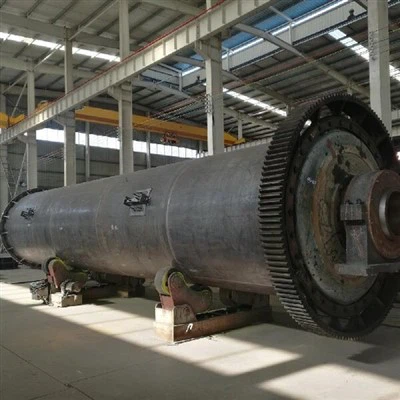
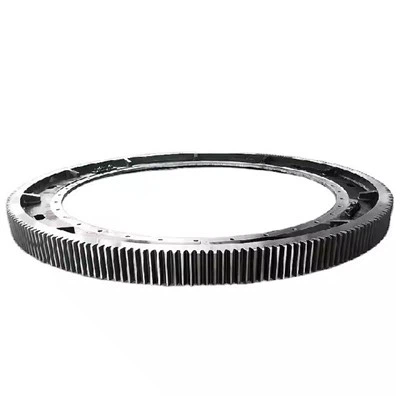
Hey there! As a supplier of Rotary Kiln Tyres, I'm super excited to chat about the latest technological advancements in this field. Rotary kiln tyres are crucial components in rotary kilns, which are widely used in industries like cement, mining, and metallurgy. They support the kiln shell and allow it to rotate smoothly, so any improvements in their design can have a huge impact on the efficiency and performance of the whole system.
1. Advanced Materials
One of the most significant advancements in rotary kiln tyre design is the use of advanced materials. Traditional materials like cast steel have served us well for a long time, but new alloys and composites are taking things to the next level. These new materials offer better strength, durability, and resistance to wear and tear.
For example, some modern rotary kiln tyres are made from high - strength alloy steels that can withstand higher temperatures and mechanical stresses. These alloys are carefully formulated to have the right balance of properties, such as hardness and toughness. This means that the tyres can last longer, reducing the need for frequent replacements and downtime.
Another exciting development is the use of composite materials. Composites combine the best properties of different materials, such as high strength and low weight. Some composite tyres are reinforced with fibers, which can significantly improve their structural integrity. They also have better corrosion resistance, which is a big plus in harsh industrial environments.
2. Precision Manufacturing Techniques
Manufacturing processes have come a long way, and precision is now the name of the game. Modern rotary kiln tyre manufacturing uses advanced machining and casting techniques to ensure tight tolerances and high - quality finishes.
Computer - Numerical - Control (CNC) machining has revolutionized the way we make these tyres. CNC machines can cut and shape the metal with extreme accuracy, resulting in tyres that fit perfectly on the kiln shell. This precise fit reduces vibrations and uneven loading, which can extend the life of the tyre and the kiln itself.
In addition, advanced casting methods, like vacuum casting, are being used to produce tyres with fewer defects. Vacuum casting removes impurities and air bubbles from the molten metal, resulting in a more homogeneous and stronger material. This not only improves the performance of the tyre but also reduces the risk of premature failure.
3. Intelligent Design Features
The latest rotary kiln tyres are not just dumb pieces of metal; they are becoming smarter. Intelligent design features are being incorporated to improve monitoring and maintenance.
Some tyres are now equipped with sensors that can measure temperature, stress, and wear in real - time. These sensors send data to a control system, which can analyze the information and alert operators when there are potential issues. For example, if the temperature of the tyre exceeds a certain threshold, it could indicate a problem with the lubrication or alignment. Early detection allows for timely maintenance, preventing costly breakdowns.
Another intelligent design feature is the use of self - lubricating materials or lubrication channels within the tyre. These features ensure that the tyre and the support rollers have proper lubrication at all times, reducing friction and wear. This not only improves the efficiency of the kiln but also extends the service life of the components.


4. Aerodynamic and Hydrodynamic Improvements
Believe it or not, aerodynamics and hydrodynamics play a role in rotary kiln tyre design. In some applications, especially in large - scale cement kilns, reducing air resistance and improving heat transfer can have a significant impact on energy efficiency.
New tyre designs are being optimized to reduce drag as the kiln rotates. This is achieved through streamlined shapes and smooth surfaces. By reducing air resistance, the kiln requires less energy to rotate, resulting in cost savings over time.
Hydrodynamic improvements are also important, especially in applications where the kiln operates in wet or humid conditions. Tyres are being designed to shed water more effectively, preventing the build - up of moisture that can lead to corrosion and reduced traction.
5. Compatibility with Other Components
A rotary kiln is a complex system, and the tyre needs to work well with other components, such as the Support Roller for Rotary Kiln and the Kiln Thrust Roller. The latest tyre designs are being developed with better compatibility in mind.
For example, the shape and dimensions of the tyre are being optimized to ensure a proper fit with the support rollers. This reduces uneven loading on the rollers and the tyre itself, improving the overall stability of the kiln. Similarly, the design of the tyre is being coordinated with the kiln thrust roller to ensure smooth axial movement of the kiln.
Why Choose Our Rotary Kiln Tyres?
As a supplier, we are at the forefront of these technological advancements. We use the latest materials, precision manufacturing techniques, and intelligent design features to produce high - quality Rotary Kiln Tyres. Our tyres are designed to be durable, efficient, and easy to maintain.
We also offer customized solutions to meet the specific needs of our customers. Whether you have a small - scale kiln or a large industrial one, we can provide the right tyre for your application. Our team of experts is always available to offer technical support and advice, ensuring that you get the most out of your rotary kiln.
If you're in the market for a new rotary kiln tyre or looking to upgrade your existing one, we'd love to hear from you. Contact us to start a conversation about your requirements, and let's work together to find the best solution for your business.
References
- "Handbook of Industrial Kilns: Thermal Processing Systems" by Peter D. Chapman
- "Advanced Materials in Mechanical Engineering" by John Smith
- Industry reports on rotary kiln technology advancements from various research firms.