As a leading supplier of gypsum rotary kilns, I've witnessed firsthand the critical role that monitoring parameters play in the efficient and safe operation of these industrial workhorses. Gypsum rotary kilns are integral to various industries, including construction materials, chemical production, and power generation. In this blog post, I'll delve into the key monitoring parameters in a gypsum rotary kiln, shedding light on their significance and how they contribute to optimal performance.
Temperature Monitoring
Temperature is one of the most crucial parameters in a gypsum rotary kiln. It directly affects the calcination process, which is the conversion of gypsum (calcium sulfate dihydrate) into plaster of Paris (calcium sulfate hemihydrate) or anhydrite (calcium sulfate anhydrous). Maintaining the right temperature ensures the desired product quality and energy efficiency.
- Kiln Shell Temperature: Monitoring the temperature of the kiln shell provides insights into the internal heat distribution and the condition of the refractory lining. An abnormal increase in shell temperature may indicate a problem with the refractory, such as wear or damage, which can lead to heat loss and potential kiln failure. Infrared thermography is a commonly used technique for non-contact temperature measurement of the kiln shell.
- Gas Temperature: Measuring the temperature of the hot gases inside the kiln is essential for controlling the calcination process. The gas temperature affects the rate of heat transfer to the gypsum material and the residence time required for complete calcination. Thermocouples are typically installed at various locations along the kiln length to monitor the gas temperature profile.
- Material Temperature: The temperature of the gypsum material as it moves through the kiln is a critical parameter for determining the degree of calcination. By measuring the material temperature at different points in the kiln, operators can adjust the operating conditions, such as the fuel feed rate and the kiln rotation speed, to ensure that the gypsum is calcined to the desired specifications.
Pressure Monitoring
Pressure monitoring is another important aspect of gypsum rotary kiln operation. It helps to maintain the proper flow of gases and materials through the kiln and ensures the safety of the system.
- Kiln Inlet and Outlet Pressure: Monitoring the pressure at the kiln inlet and outlet provides information about the resistance to gas flow through the kiln. A significant increase in pressure drop may indicate a blockage in the kiln or the dust collection system, which can lead to reduced gas flow and inefficient operation. Pressure sensors are installed at the kiln inlet and outlet to continuously monitor the pressure.
- Draft Pressure: The draft pressure in the kiln is the difference in pressure between the inside and outside of the kiln. It is responsible for pulling the hot gases through the kiln and ensuring proper ventilation. Maintaining the correct draft pressure is crucial for controlling the combustion process and preventing the escape of harmful gases. Draft fans are used to adjust the draft pressure, and pressure sensors are used to monitor and control the fan speed.
Rotation Speed Monitoring
The rotation speed of the gypsum rotary kiln is a key parameter that affects the residence time of the gypsum material in the kiln and the heat transfer efficiency.


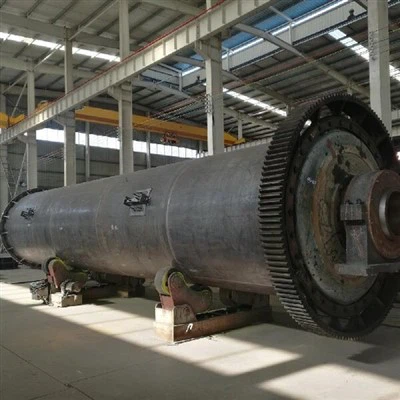
- Kiln Rotation Speed: Monitoring the rotation speed of the kiln allows operators to adjust the feed rate of the gypsum material and the fuel consumption to maintain the desired product quality and production rate. A consistent rotation speed ensures uniform calcination of the gypsum and prevents over - or under - calcination. Speed sensors are installed on the kiln drive system to continuously monitor the rotation speed.
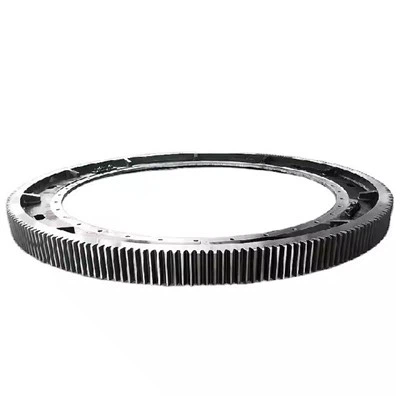
- Gearbox and Motor Performance: The performance of the gearbox and motor that drive the kiln is also important. Monitoring parameters such as motor current, power consumption, and gearbox temperature can provide early warning signs of potential problems, such as mechanical wear or electrical faults. Regular maintenance and monitoring of these components are essential to ensure the reliable operation of the kiln.
Material Level Monitoring
Maintaining the correct material level in the gypsum rotary kiln is crucial for efficient operation and product quality.
- Inlet Material Level: Monitoring the material level at the kiln inlet helps to ensure a consistent feed rate of gypsum into the kiln. An uneven or excessive material feed can lead to poor heat transfer, inconsistent calcination, and increased energy consumption. Level sensors, such as ultrasonic or capacitance sensors, are used to monitor the material level at the kiln inlet.
- Kiln Interior Material Level: Measuring the material level inside the kiln provides information about the residence time of the gypsum material and the filling degree of the kiln. This information is important for optimizing the kiln operation and ensuring that the gypsum is fully calcined. Techniques such as gamma-ray densitometry or microwave sensors can be used to measure the material level inside the kiln.
Emission Monitoring
In addition to the above parameters, monitoring the emissions from the gypsum rotary kiln is essential for environmental compliance and sustainable operation.
- Air Pollutants: Gypsum rotary kilns can emit various air pollutants, such as particulate matter, sulfur dioxide, nitrogen oxides, and carbon monoxide. Continuous emission monitoring systems (CEMS) are used to measure the concentration of these pollutants in the flue gas. By monitoring the emissions, operators can take appropriate measures to reduce the environmental impact of the kiln, such as installing pollution control devices or adjusting the operating conditions.
- Dust Emissions: Dust emissions from the kiln can cause health problems for workers and nearby residents and can also lead to environmental degradation. Dust collectors, such as bag filters or electrostatic precipitators, are used to capture the dust particles in the flue gas. Monitoring the dust emissions helps to ensure the proper functioning of the dust collection system and compliance with environmental regulations.
Conclusion
In conclusion, monitoring the parameters in a gypsum rotary kiln is essential for ensuring efficient, safe, and environmentally friendly operation. By continuously monitoring temperature, pressure, rotation speed, material level, and emissions, operators can optimize the kiln performance, improve product quality, and reduce energy consumption and environmental impact.
If you're in the market for a high - quality gypsum rotary kiln or need more information about our products and services, we're here to help. Our team of experts has extensive experience in the design, manufacture, and installation of gypsum rotary kilns and can provide you with customized solutions to meet your specific requirements. Whether you're involved in the production of construction materials, chemicals, or other industries, our gypsum rotary kilns are designed to deliver reliable performance and long - term value.
We also offer a range of related products, such as Nickel Rotary Kiln, Zinc Oxide Rotary Kiln, and Limestone Rotary Kiln. Contact us today to start a conversation about your rotary kiln needs and explore how we can help you achieve your production goals.
References
- Perry, R. H., & Green, D. W. (Eds.). (2008). Perry's Chemical Engineers' Handbook. McGraw - Hill.
- Gupta, P. K., & Yan, B. (2012). Mineral Processing Design and Operations: An Introduction. Elsevier.
- Toghill, K. E. (2007). Rotary Kilns: Thermal Processing Systems. Wiley - VCH.