Hey there! As a supplier of Ball Mill Bearings, I've seen firsthand the challenges that come with the noise generated by these industrial workhorses. Ball mills are widely used in various industries, from mining to cement production, but the noise they produce can be a real headache. Not only is it a nuisance for workers, but it can also lead to compliance issues with noise regulations. In this blog, I'm going to share some effective noise - reduction measures for ball mill bearings.
Understanding the Source of Noise in Ball Mill Bearings
Before we dive into the solutions, it's important to understand where the noise is coming from. Ball mill bearings can generate noise due to several factors. One of the main causes is the friction between the rolling elements (balls or rollers) and the raceways. When the bearing is in operation, the constant movement and contact create vibrations, which in turn produce noise. Another factor is the misalignment of the bearing. If the bearing is not properly aligned, it can cause uneven loading and increased friction, leading to more noise.
Lubrication: The First Line of Defense
Proper lubrication is crucial for reducing noise in ball mill bearings. Lubricants act as a buffer between the rolling elements and the raceways, reducing friction and wear. They also help to dissipate heat, which can further reduce noise.


There are different types of lubricants available, such as grease and oil. Grease is a popular choice for ball mill bearings because it's easy to apply and provides long - term lubrication. However, it's important to choose the right type of grease for your specific application. Factors like temperature, load, and speed should be considered. For example, if your ball mill operates in a high - temperature environment, you'll need a grease with a high dropping point.
Regular lubrication maintenance is also essential. Over time, lubricants can break down and lose their effectiveness. So, make sure to follow the manufacturer's recommendations for lubrication intervals and quantities. You can check the lubricant's condition periodically and replace it if necessary.
Bearing Selection and Installation
Choosing the right ball mill bearing is another key step in noise reduction. High - quality bearings are designed to minimize noise and vibration. When selecting a bearing, look for features like precision manufacturing, high - quality materials, and advanced design.
The Ball Mill Bearing we supply is made from premium materials and undergoes strict quality control. Our bearings are engineered to provide smooth operation and reduced noise.
Proper installation is just as important as selection. Incorrect installation can lead to misalignment, which can cause excessive noise. Make sure to follow the correct installation procedures. This includes cleaning the bearing housing and shaft, using the right tools for installation, and ensuring proper alignment. If you're not confident in your installation skills, it's a good idea to hire a professional.
Vibration Damping
Vibration damping is an effective way to reduce noise in ball mill bearings. Vibration can be transmitted through the bearing housing and the machine's structure, amplifying the noise. By using vibration - damping materials, you can absorb and dissipate the vibrations, reducing the noise level.
There are several types of vibration - damping materials available, such as rubber pads, springs, and viscoelastic materials. Rubber pads can be placed between the bearing housing and the machine's frame to isolate the vibrations. Springs can also be used to provide a flexible connection and reduce the transmission of vibrations.
Machine Design and Maintenance
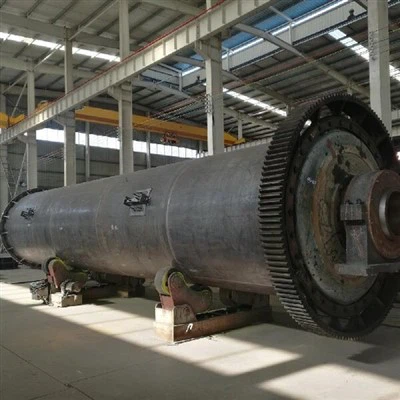
The overall design of the ball mill can also have an impact on noise levels. For example, the housing of the ball mill should be designed to minimize resonance. Resonance can occur when the natural frequency of the machine matches the frequency of the vibrations generated by the bearing. This can lead to a significant increase in noise.
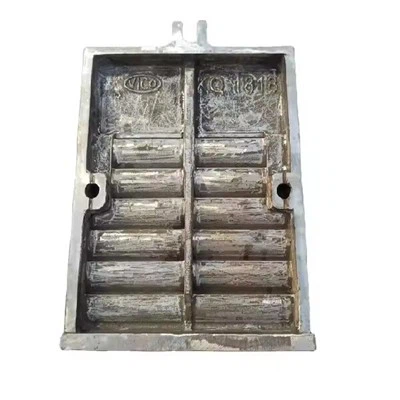
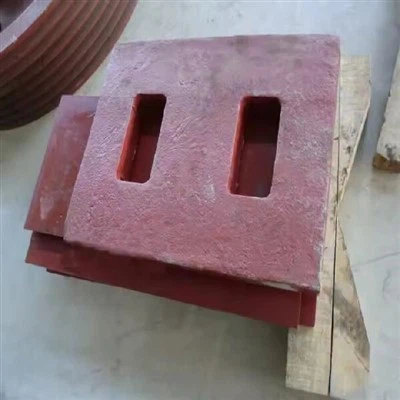
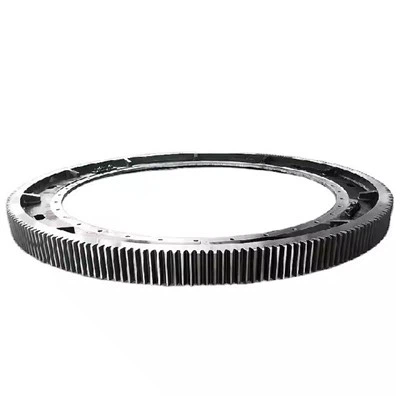
Regular machine maintenance is also important. Check for loose bolts, worn parts, and other issues that can cause vibrations and noise. Replace any worn - out components, such as the Ball Mill Pinion or the Ball Mill Linling Plate, in a timely manner.
Monitoring and Inspection
Continuous monitoring of the ball mill bearing's condition is essential for noise reduction. You can use sensors to measure parameters like temperature, vibration, and noise level. By analyzing these data, you can detect potential problems early and take corrective actions.
Regular inspections are also necessary. Inspect the bearing for signs of wear, damage, or misalignment. You can use tools like a micrometer to measure the bearing's dimensions and ensure they are within the acceptable range.
Enclosures and Soundproofing
If you've tried all the above measures and still have a noise problem, you might consider using enclosures and soundproofing materials. Enclosures can be built around the ball mill to contain the noise. Soundproofing materials, such as acoustic panels, can be installed inside the enclosure to absorb and reflect the sound waves.
However, enclosures need to be designed carefully. They should allow for proper ventilation to prevent overheating of the ball mill. Also, make sure that the enclosure doesn't interfere with the machine's operation or maintenance.
Conclusion
Reducing noise in ball mill bearings is a multi - faceted approach. It involves proper lubrication, correct bearing selection and installation, vibration damping, machine design and maintenance, monitoring, and in some cases, enclosures and soundproofing.
As a Ball Mill Bearing supplier, we're committed to providing high - quality products and solutions to help you reduce noise and improve the performance of your ball mills. If you're facing noise issues with your ball mill bearings or need advice on the best products for your application, don't hesitate to contact us. We're here to assist you in making the right choices and ensuring the smooth operation of your equipment.
References
- "Rolling Bearing Analysis" by Tedric A. Harris
- Manufacturer's manuals for ball mill bearings and related components