Hey there! As a supplier of auxiliary parts, I often get asked about what materials these parts are usually made of. Well, let's dive right into it and explore the common materials used in the manufacturing of auxiliary parts.
Metals
Metals are hands - down one of the most widely used materials for auxiliary parts. They offer a great combination of strength, durability, and in some cases, conductivity.
Steel
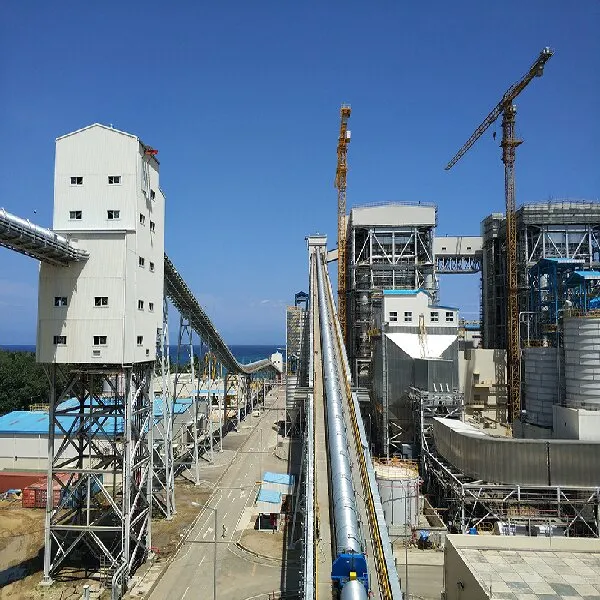
Steel is a go - to choice for many auxiliary parts. It's strong, can withstand high stress and pressure, and is relatively inexpensive compared to some other metals. For example, in the construction of Belt Conveyor In Cement Plant, steel is used for the frames and support structures. The conveyor has to carry heavy loads of cement and other materials, so it needs a material that can handle the weight without deforming. Steel's high tensile strength makes it perfect for this job.
There are different types of steel, too. Carbon steel is commonly used for general - purpose parts because it's easy to machine and weld. Stainless steel, on the other hand, is preferred when corrosion resistance is a concern. In industries where the parts are exposed to harsh chemicals or moisture, like in some chemical processing plants, stainless - steel auxiliary parts are a must.
Aluminum
Aluminum is another popular metal for auxiliary parts. It's lightweight, which is a huge advantage in applications where weight is a critical factor. For instance, in the aerospace industry, many auxiliary parts such as brackets and connectors are made of aluminum. This helps to reduce the overall weight of the aircraft, improving fuel efficiency.
Aluminum also has good corrosion resistance, especially when it's anodized. Anodizing is a process that creates a protective layer on the surface of the aluminum, making it more resistant to rust and other forms of corrosion. In outdoor applications or in environments where the parts may come into contact with water, anodized aluminum parts can last a long time.
Copper
Copper is known for its excellent electrical conductivity. So, it's often used in auxiliary parts that are involved in electrical systems. For example, in electrical connectors and wiring components, copper is the material of choice. It ensures that electricity can flow smoothly through the system, reducing the risk of power losses and malfunctions.
Plastics
Plastics have become increasingly popular in the manufacturing of auxiliary parts due to their versatility and cost - effectiveness.
Polyethylene (PE)
Polyethylene is a common plastic used for auxiliary parts. It's tough, flexible, and has good chemical resistance. In the food and beverage industry, PE is used to make parts such as containers and piping. It's safe for contact with food, and its resistance to chemicals means it can handle various cleaning agents without degrading.
There are different types of polyethylene, like high - density polyethylene (HDPE) and low - density polyethylene (LDPE). HDPE is stronger and more rigid, making it suitable for parts that need to hold their shape under stress, such as storage tanks. LDPE, on the other hand, is more flexible and is often used for applications like plastic bags and some types of tubing.
Polypropylene (PP)
Polypropylene is another widely used plastic. It has a high melting point, which makes it suitable for parts that may be exposed to high temperatures. In automotive applications, PP is used to make interior parts such as dashboards and door panels. It's also resistant to fatigue, meaning it can withstand repeated stress without breaking.
Polycarbonate (PC)
Polycarbonate is a strong and transparent plastic. It's often used in applications where visibility and strength are both important. For example, in the manufacturing of safety shields and protective covers, polycarbonate is a great choice. It can provide a clear view while also protecting against impacts and debris.

Ceramics
Ceramics are used in specific applications where their unique properties are required.
Alumina Ceramics
Alumina ceramics are known for their high hardness and wear resistance. They're often used in parts that are subject to a lot of friction, such as bearings and cutting tools. In industrial machinery, alumina - ceramic parts can last much longer than parts made of other materials, reducing the need for frequent replacements.
Zirconia Ceramics
Zirconia ceramics have excellent fracture toughness and thermal stability. They're used in applications where high - temperature resistance and mechanical strength are crucial. For example, in some high - performance engines, zirconia - ceramic parts are used to withstand the extreme heat and pressure inside the engine.
Composites
Composites are materials made by combining two or more different materials to get the best properties of each.
Fiberglass Reinforced Plastics (FRP)
FRP is a popular composite material for auxiliary parts. It consists of glass fibers embedded in a plastic matrix. The glass fibers provide strength and stiffness, while the plastic matrix binds the fibers together and provides some flexibility. FRP is used in a wide range of applications, from boat hulls to industrial tanks. It's lightweight, corrosion - resistant, and relatively easy to manufacture.
Carbon Fiber Reinforced Polymers (CFRP)
CFRP is a high - performance composite material. Carbon fibers are extremely strong and lightweight, and when combined with a polymer matrix, they create a material that has excellent strength - to - weight ratio. In the sports equipment industry, CFRP is used to make parts such as tennis rackets and bicycle frames. In the aerospace and automotive industries, it's used to reduce weight and improve performance.
So, as you can see, there are a wide variety of materials used to make auxiliary parts, each with its own set of advantages and suitable applications. Whether you're looking for a strong and durable metal part, a lightweight plastic component, or a high - performance composite, there's a material out there that can meet your needs.
If you're in the market for high - quality auxiliary parts, we've got you covered. We offer a wide range of products, including High Quality Slag Pot and Cyclone Dip Tube. Our parts are made from the best materials and are designed to meet the highest standards of quality and performance.
If you're interested in purchasing our auxiliary parts or have any questions about the materials and applications, don't hesitate to reach out. We're here to help you find the perfect solution for your specific requirements. Let's start a conversation and see how we can work together to get you the parts you need.
References
- "Materials Science and Engineering: An Introduction" by William D. Callister Jr. and David G. Rethwisch
- "Plastics Materials" by J. A. Brydson
- "Ceramics: Structure, Properties, Processing, and Applications" by Marc A. Meyers and Krishan Chawla