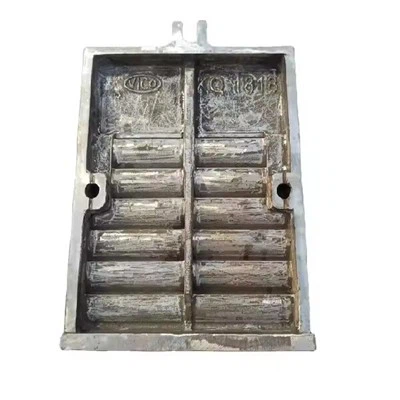
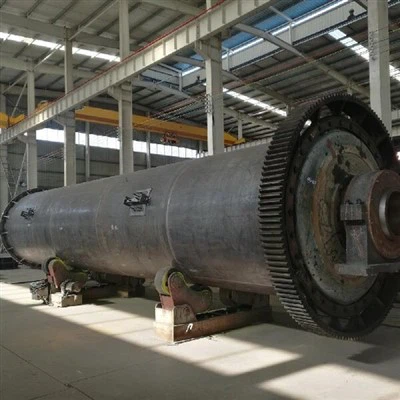
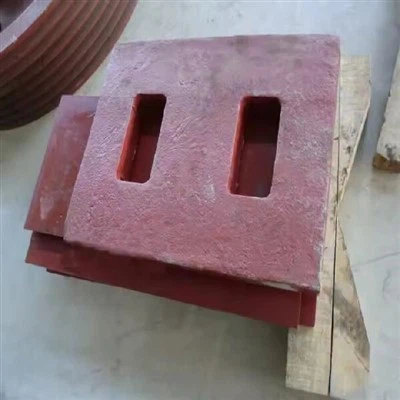
As a seasoned supplier of rotary kiln parts, I've witnessed firsthand the challenges that come with the deformation of these crucial components. Rotary kilns are widely used in various industries, including cement, mining, and metallurgy, to perform high-temperature processes. However, the parts of a rotary kiln are subject to significant stress and wear, which can lead to deformation over time. In this blog post, I'll explore the reasons for the deformation of rotary kiln parts and discuss how to mitigate these issues.
Material Fatigue
One of the primary reasons for the deformation of rotary kiln parts is material fatigue. The continuous rotation and high temperatures in a rotary kiln subject the parts to cyclic loading, which can cause microscopic cracks to form in the material. Over time, these cracks can grow and propagate, leading to significant deformation and ultimately failure of the part.
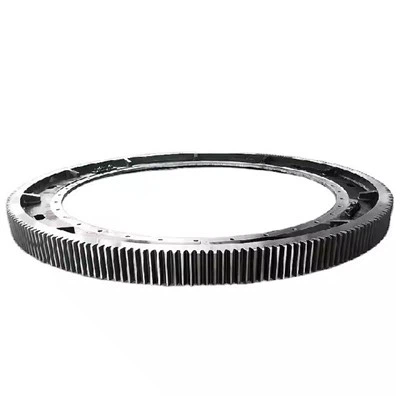
For example, the Rotary Kiln Pinion is a critical component that transfers power from the drive system to the kiln. It is constantly subjected to high torque and bending forces, which can cause fatigue cracking. Similarly, the Kiln Girth Gear is also prone to fatigue damage due to the repetitive loading it experiences during operation.
To prevent material fatigue, it is essential to use high-quality materials with good fatigue resistance. Additionally, proper design and manufacturing techniques can help to reduce stress concentrations and improve the overall durability of the parts. Regular inspection and maintenance can also detect early signs of fatigue cracking and allow for timely repairs or replacements.
Thermal Stress
Another significant factor contributing to the deformation of rotary kiln parts is thermal stress. The high temperatures inside the kiln can cause the parts to expand and contract, creating internal stresses. If these stresses are not properly managed, they can lead to deformation and even cracking of the parts.
The Rotary Kiln Tyre is particularly susceptible to thermal stress. It is in direct contact with the kiln shell and experiences significant temperature variations during operation. When the tyre heats up, it expands, and when it cools down, it contracts. If the expansion and contraction are not uniform, it can cause the tyre to deform and lose its roundness.
To minimize thermal stress, it is important to ensure proper insulation of the kiln to reduce heat transfer to the parts. Additionally, the design of the parts should allow for thermal expansion and contraction without causing excessive stress. Regular monitoring of the temperature and thermal expansion of the parts can also help to detect any potential issues early on.
Improper Installation
Improper installation of rotary kiln parts can also lead to deformation. If the parts are not installed correctly, they may be subjected to uneven loads or misalignment, which can cause premature wear and deformation.
For instance, if the Rotary Kiln Pinion is not properly aligned with the Kiln Girth Gear, it can cause excessive wear on the teeth of the gear and the pinion. This can lead to deformation of the gear teeth and ultimately affect the performance of the kiln.
To ensure proper installation, it is crucial to follow the manufacturer's installation instructions carefully. Professional installation services can also help to ensure that the parts are installed correctly and that the kiln is properly aligned. Regular inspection after installation can also detect any misalignment or other installation issues and allow for timely correction.
Overloading
Overloading the rotary kiln can put excessive stress on the parts and cause deformation. When the kiln is operated beyond its design capacity, the parts are subjected to higher loads than they are designed to handle, which can lead to premature wear and deformation.
For example, if the kiln is fed with more material than it can process, it can cause the Rotary Kiln Tyre to bear additional weight, leading to increased stress and potential deformation. Similarly, overloading the drive system can cause excessive torque on the Rotary Kiln Pinion and other drive components, leading to fatigue and deformation.
To avoid overloading, it is important to operate the kiln within its design capacity. Regular monitoring of the kiln's operating parameters, such as feed rate, temperature, and power consumption, can help to ensure that the kiln is not being overloaded.
Corrosion and Erosion
Corrosion and erosion can also contribute to the deformation of rotary kiln parts. The harsh operating environment inside the kiln, which may include high temperatures, abrasive materials, and corrosive gases, can cause the parts to deteriorate over time.
For example, the kiln shell can be exposed to corrosive gases and abrasive materials, which can cause it to thin and lose its structural integrity. The Kiln Girth Gear and Rotary Kiln Pinion can also be affected by corrosion and erosion, which can damage the teeth and reduce their strength.
To prevent corrosion and erosion, it is important to use materials with good corrosion and erosion resistance. Protective coatings can also be applied to the parts to provide an additional layer of protection. Regular cleaning and maintenance can also help to remove any corrosive or abrasive materials from the parts and prevent further damage.


Mitigating Deformation
To mitigate the deformation of rotary kiln parts, it is important to take a comprehensive approach that includes proper material selection, design, installation, operation, and maintenance. Here are some key steps that can be taken:
- Material Selection: Choose high-quality materials with good fatigue, thermal, corrosion, and erosion resistance.
- Design Optimization: Use proper design techniques to reduce stress concentrations and improve the durability of the parts.
- Proper Installation: Follow the manufacturer's installation instructions carefully and ensure professional installation services.
- Regular Inspection and Maintenance: Conduct regular inspections to detect early signs of deformation, wear, or other issues. Perform timely repairs or replacements as needed.
- Operational Monitoring: Monitor the kiln's operating parameters to ensure that it is operated within its design capacity and to detect any abnormal conditions.
- Corrosion and Erosion Protection: Use materials with good corrosion and erosion resistance and apply protective coatings as necessary.
In conclusion, the deformation of rotary kiln parts can have a significant impact on the performance and reliability of the kiln. By understanding the reasons for deformation and taking appropriate measures to mitigate these issues, it is possible to extend the service life of the parts and improve the overall efficiency of the kiln.
If you are experiencing issues with the deformation of your rotary kiln parts or are looking for high-quality replacement parts, I encourage you to reach out to us. As a trusted supplier of rotary kiln parts, we have the expertise and experience to provide you with the best solutions for your needs. Contact us today to discuss your requirements and start a procurement negotiation.
References
- ASM Handbook, Volume 11: Failure Analysis and Prevention, ASM International.
- Kiln Operation Manuals, Various Manufacturers.
- Research Papers on Rotary Kiln Technology, Academic Journals.