


What is the influence of bearing material on ball mill efficiency?
As a supplier of ball mill bearings, I've witnessed firsthand the critical role that bearing materials play in the overall efficiency of ball mills. Ball mills are widely used in various industries, including mining, cement production, and chemical processing, to grind and blend materials into fine powders. The efficiency of a ball mill directly impacts the productivity and profitability of these operations, making it essential to understand how bearing materials can influence performance.
Friction and Wear
One of the primary ways that bearing materials affect ball mill efficiency is through friction and wear. Friction occurs when two surfaces rub against each other, and in the case of ball mill bearings, it can lead to energy losses and increased heat generation. High levels of friction can also cause premature wear of the bearing components, reducing their lifespan and increasing the need for frequent replacements.
Different bearing materials have varying coefficients of friction, which determine how easily they slide against each other. For example, materials like steel and bronze have relatively high coefficients of friction, while materials like ceramic and plastic have lower coefficients. By choosing a bearing material with a lower coefficient of friction, it is possible to reduce the amount of energy required to operate the ball mill and minimize wear on the bearings.
In addition to friction, the wear resistance of the bearing material is also crucial. Ball mill bearings are subjected to high loads and constant movement, which can cause them to wear over time. A bearing material with good wear resistance will be able to withstand these conditions for longer periods, reducing the frequency of maintenance and replacement.
Load Capacity
Another important factor to consider when choosing a bearing material for a ball mill is its load capacity. The load capacity of a bearing refers to the maximum amount of weight or force that it can support without failing. In a ball mill, the bearings are responsible for supporting the weight of the mill shell, the grinding media, and the material being processed. If the bearings are not able to handle the load, they can become damaged or fail, leading to costly downtime and repairs.
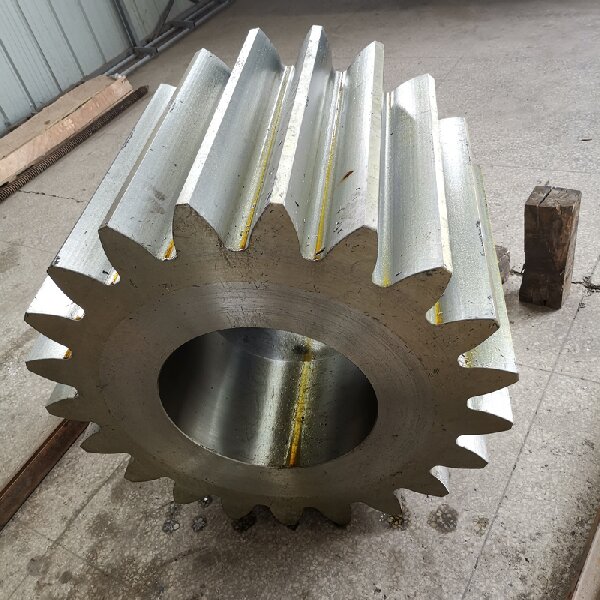

The load capacity of a bearing is determined by several factors, including the material properties, the design of the bearing, and the operating conditions. Different bearing materials have different load capacities, and it is important to choose a material that is suitable for the specific application. For example, steel bearings are commonly used in ball mills because they have high load capacities and are able to withstand heavy loads and high speeds.
Corrosion Resistance
Ball mills are often used in harsh environments where they are exposed to moisture, chemicals, and other corrosive substances. Corrosion can cause the bearings to rust and deteriorate, reducing their performance and lifespan. Therefore, it is important to choose a bearing material that has good corrosion resistance.
Stainless steel is a popular choice for ball mill bearings because it is highly resistant to corrosion. It contains chromium, which forms a protective oxide layer on the surface of the steel, preventing it from rusting. Other materials, such as ceramic and plastic, also have good corrosion resistance and can be used in applications where corrosion is a concern.
Thermal Conductivity
The thermal conductivity of the bearing material is another important consideration. Ball mills generate a significant amount of heat during operation, and if this heat is not dissipated properly, it can cause the bearings to overheat and fail. A bearing material with good thermal conductivity will be able to transfer heat away from the bearing more effectively, reducing the risk of overheating.
Copper and aluminum are examples of materials with high thermal conductivity. They are often used in applications where heat dissipation is critical, such as in high-speed ball mills. However, these materials may not be suitable for all applications due to their relatively low load capacities and wear resistance.
Impact on Ball Mill Efficiency
The choice of bearing material can have a significant impact on the efficiency of a ball mill. By reducing friction and wear, increasing load capacity, improving corrosion resistance, and enhancing thermal conductivity, the right bearing material can help to optimize the performance of the ball mill and reduce operating costs.
For example, a ball mill that uses bearings with a low coefficient of friction will require less energy to operate, resulting in lower electricity bills. Additionally, bearings with good wear resistance will last longer, reducing the frequency of maintenance and replacement and minimizing downtime.
In addition to improving the efficiency of the ball mill, the choice of bearing material can also have a positive impact on the quality of the product being processed. A ball mill that operates smoothly and efficiently will be able to produce a more consistent and uniform product, which can improve the overall quality of the final product.
Choosing the Right Bearing Material
When choosing a bearing material for a ball mill, it is important to consider the specific requirements of the application. Factors such as the load capacity, the operating conditions, the corrosion resistance, and the thermal conductivity should all be taken into account.
It is also recommended to consult with a bearing expert or a supplier who has experience in the ball mill industry. They can provide valuable advice and guidance on the best bearing material for your specific application and help you select the right bearings for your ball mill.
Conclusion
In conclusion, the bearing material plays a crucial role in the efficiency of a ball mill. By choosing a bearing material with low friction, high wear resistance, good load capacity, corrosion resistance, and thermal conductivity, it is possible to optimize the performance of the ball mill and reduce operating costs. As a supplier of ball mill bearings, I understand the importance of providing high-quality bearings that are suitable for the specific needs of each customer. If you are looking for ball mill bearings or need advice on choosing the right bearing material for your application, please [contact us for procurement and negotiation]. We are committed to providing you with the best products and services to help you achieve maximum efficiency and productivity in your ball mill operations.
References
- Harris, T. A. (2001). Rolling Bearing Analysis. Wiley-Interscience.
- Zaretsky, E. V. (2007). Ball and Roller Bearing Engineering. CRC Press.
- Schipper, D. J., & Zaretsky, E. V. (2009). Handbook of Bearing Design and Application. McGraw-Hill.




