When dealing with kiln materials, safety is of paramount importance. As a kiln material supplier, I understand the critical role that safety plays in every aspect of using these materials. In this blog post, I'll delve into the key safety considerations that should be taken into account when using certain kiln materials.
1. Material Handling and Storage
One of the first safety steps begins with the proper handling and storage of kiln materials. Different types of kiln materials have unique properties, and mishandling can lead to serious consequences.
For instance, some refractory materials are brittle and can break easily. When moving them, it's essential to use appropriate lifting equipment and follow the correct handling procedures. Workers should wear protective gloves and safety shoes to prevent injuries from sharp edges or falling pieces.
In terms of storage, kiln materials should be stored in a dry and well - ventilated area. Moisture can have a detrimental effect on many materials, such as causing rust on metal components or reducing the effectiveness of refractory bricks. Additionally, materials should be stacked in an orderly manner to prevent collapses. Tall stacks of pallets should be secured to avoid toppling and potentially injuring workers.
2. Chemical Hazards
Many kiln materials contain chemicals that can pose health risks if not properly managed. For example, some ceramic materials may contain heavy metals like lead or cadmium. When these materials are heated in a kiln, there is a risk of releasing these toxic substances into the air in the form of fumes.
To mitigate this risk, proper ventilation systems should be installed in the kiln area. These systems are designed to remove harmful fumes and maintain a safe working environment. Workers should also use personal protective equipment (PPE) such as respirators to prevent inhalation of toxic fumes.


Another aspect is the handling of chemical additives. Some additives are used to improve the properties of kiln materials, but they can be highly reactive or corrosive. Workers need to be trained on how to handle these chemicals safely, including proper storage, mixing, and disposal procedures.
3. Heat and Fire Safety
Kilns operate at extremely high temperatures, which presents significant heat and fire risks. The kiln materials themselves need to be able to withstand these high temperatures without deforming or catching fire.
Before using a new kiln material, it's crucial to test its heat resistance properties. This can help ensure that the material will not break down or release flammable substances under normal operating conditions.
In addition to the kiln materials, the surrounding environment also needs to be protected from heat and fire. Fire - resistant barriers should be installed around the kiln to prevent the spread of fire in case of an accident. Fire extinguishing equipment should be readily available, and workers should be trained on how to use it effectively.
4. Installation and Maintenance
Proper installation of kiln materials is essential for safety. Incorrect installation can lead to structural failures, leaks, or uneven heating, all of which can be dangerous. When installing kiln lining materials, for example, it's important to follow the manufacturer's instructions precisely. The joints between the bricks or panels should be sealed properly to prevent heat leakage and the entry of harmful substances.
Regular maintenance is also necessary to ensure the continued safe operation of the kiln. Inspections should be carried out to check for signs of wear and tear, such as cracks in refractory materials or damage to heating elements. Any damaged parts should be replaced promptly to avoid potential safety hazards.
5. Specific Considerations for Different Types of Kilns
Bauxite Rotary Kiln
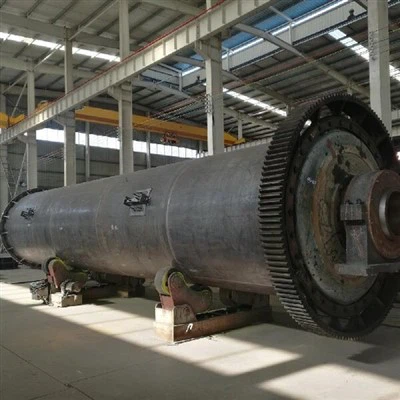
The Bauxite Rotary Kiln is widely used in the production of bauxite products. When using materials in this type of kiln, special attention should be paid to the abrasion resistance of the lining materials. Bauxite is a hard material, and the rotation of the kiln can cause significant wear on the lining. Selecting high - quality, abrasion - resistant lining materials is crucial to ensure the long - term safety and efficiency of the kiln.
Metallurgy Rotary Kiln
In a Metallurgy Rotary Kiln, the materials are often exposed to high - intensity heat and chemical reactions. The kiln may be used to smelt metals or produce metal alloys. The refractory materials used in this type of kiln need to have excellent thermal shock resistance and chemical stability. They should be able to withstand rapid temperature changes and corrosive elements present in the metallurgical process.
Zinc Oxide Rotary Kiln
The Zinc Oxide Rotary Kiln is designed for the production of zinc oxide. Zinc oxide production involves the heating of zinc - containing materials, which can release zinc fumes. Adequate ventilation systems are required to remove these fumes to prevent zinc poisoning among workers. The kiln materials should also be selected to resist the chemical effects of zinc - related compounds.
6. Worker Training and Safety Culture
No matter how good the kiln materials and safety equipment are, they are only effective if the workers know how to use them correctly. Comprehensive training programs should be provided to all workers involved in the kiln operation. These programs should cover everything from material handling and chemical safety to kiln operation and emergency procedures.
Creating a strong safety culture within the workplace is also crucial. Workers should be encouraged to report any safety concerns or potential hazards immediately. Regular safety meetings and drills can help keep safety at the forefront of everyone's minds.
7. Regulatory Compliance
Finally, it's essential to comply with all relevant safety regulations and standards. Different regions may have specific laws regarding the use of kiln materials, worker safety, and environmental protection. Staying up - to - date with these regulations and ensuring strict compliance is not only a legal obligation but also an important part of ensuring the safety and well - being of everyone involved in the kiln operation.
In conclusion, safety considerations when using certain kiln materials are multifaceted and require careful attention to every detail. From material handling and chemical safety to heat protection and regulatory compliance, each aspect plays a vital role in creating a safe working environment.
As a kiln material supplier, I am committed to providing high - quality materials that meet the strictest safety standards. If you are interested in purchasing kiln materials or have any questions about their safety and application, please feel free to contact me for further discussion and procurement opportunities. I look forward to working with you to ensure the safe and efficient operation of your kilns.
References
- Safety Guidelines for Industrial Kiln Operations, Occupational Safety and Health Administration.
- Handbook of Refractory Materials and Their Application, Elsevier Publishing.
- Chemical Safety Data for Kiln Materials, National Institute for Occupational Safety and Health.