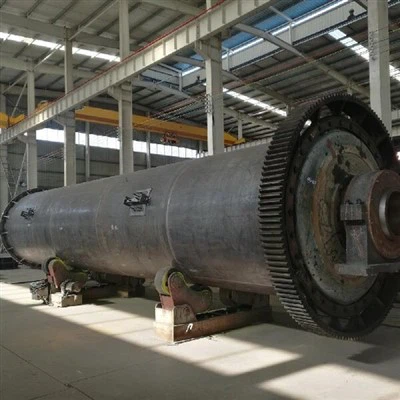
Hey there! As a supplier of Gypsum Rotary Kiln, I've seen firsthand how important safety is when operating these machines. A gypsum rotary kiln is a key piece of equipment in the gypsum processing industry, used for calcining gypsum into plaster of Paris or anhydrite. But it can also be pretty dangerous if not handled correctly. So, let's talk about some safety precautions you should take when running a gypsum rotary kiln.
Pre - operation Checks
Before you even think about firing up the kiln, you've got to do a thorough pre - operation check. First off, examine the mechanical components. Check the kiln's tires and rollers. Make sure they're in good condition without any signs of excessive wear or damage. If there are cracks or significant wear on the tires, it could lead to the kiln going out of alignment during operation, which is a major safety hazard.
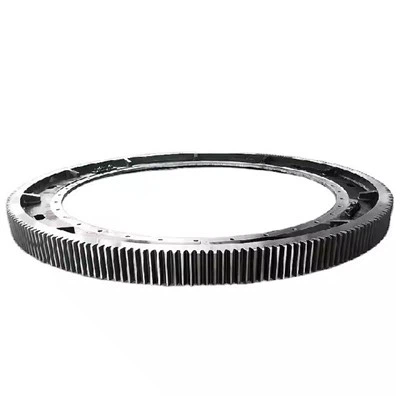
Inspect the drive system too. Look at the gears, belts, and motors. The gears should have proper tooth engagement, and the belts should be tight enough without being overly stretched. Loose belts can slip, causing the kiln to stop suddenly or operate erratically. And don't forget to check the lubrication of all moving parts. Proper lubrication reduces friction and heat, preventing premature wear and tear.
The refractory lining is another crucial part to check. A damaged refractory lining can cause heat to escape from the kiln, which not only wastes energy but also poses a burn risk to operators. Look for any cracks, spalling, or loose bricks. If you find any issues, repair or replace the lining before starting the kiln.
Personal Protective Equipment (PPE)
Wearing the right PPE is non - negotiable when operating a gypsum rotary kiln. First, you need heat - resistant clothing. The kiln gets extremely hot, and regular clothes won't protect you from the high temperatures. Heat - resistant jackets, pants, and gloves are a must. These will shield your skin from burns in case of accidental contact with hot surfaces or flying hot particles.
Safety goggles are essential to protect your eyes. There could be dust, debris, or even small pieces of gypsum flying around during the operation. Goggles with side shields provide better protection, preventing particles from entering your eyes from the sides.
Don't forget about respiratory protection. Gypsum dust can be harmful if inhaled. A good quality dust mask or respirator will filter out the dust, reducing the risk of respiratory problems such as silicosis or other lung diseases.
And of course, sturdy safety shoes are necessary. They protect your feet from falling objects, hot materials, and any sharp edges around the kiln area.
Operation Safety
During the operation of the gypsum rotary kiln, you've got to follow some strict safety rules. First, maintain a safe distance from the kiln. The rotating kiln has a lot of moving parts, and getting too close can result in entanglement or being struck by the kiln. There should be clear safety barriers around the kiln to prevent unauthorized access.
Keep an eye on the temperature and pressure inside the kiln. Use the monitoring system to ensure that the temperature and pressure are within the normal operating range. Sudden spikes in temperature or pressure can indicate a problem, such as a blockage or a malfunction in the heating system. If you notice any abnormal readings, stop the operation immediately and investigate the cause.
Be careful when adding gypsum to the kiln. Use proper feeding equipment to ensure a steady and even flow of material. Overloading the kiln can cause uneven heating, which may lead to the kiln overheating or even cracking.
Emergency Preparedness
You never know when an emergency might happen, so you've got to be prepared. Have a well - defined emergency plan in place. This plan should include procedures for dealing with fires, explosions, power outages, and equipment failures.
Install fire extinguishers and fire suppression systems near the kiln. Make sure all operators know how to use them. In case of a fire, quick action can prevent it from spreading and causing more damage.
Have an evacuation route clearly marked. All operators should be familiar with this route and know where the emergency exits are. Conduct regular emergency drills so that everyone knows what to do in a real - life situation.


In addition, have a first - aid kit readily available. Minor injuries can occur during normal operation, and having a first - aid kit nearby can help provide immediate treatment until professional medical help arrives.
Maintenance Safety
Regular maintenance is crucial for the safe operation of the gypsum rotary kiln, but it also comes with its own safety risks. When performing maintenance, always follow the lock - out/tag - out procedure. This means shutting off the power supply to the kiln and any associated equipment and then locking and tagging the switches. This prevents the equipment from being accidentally turned on while maintenance is being done, protecting the maintenance workers from electrical shocks and moving parts.
If you need to enter the kiln for maintenance, make sure it's cooled down completely. The inside of the kiln can remain hot for a long time after operation. Use a temperature sensor to confirm that it's safe to enter. Also, provide proper ventilation inside the kiln to remove any harmful gases or dust that may have accumulated.
When working on the kiln's exterior, be careful of any sharp edges or hot surfaces. Use appropriate tools and follow the correct maintenance procedures. For example, when replacing parts, make sure they are installed correctly and tightened properly.
Comparison with Other Rotary Kilns
While we're talking about gypsum rotary kilns, it's interesting to compare them with other types of rotary kilns, like the Bauxite Rotary Kiln and Portland Cement Kiln.
Bauxite rotary kilns are used for calcining bauxite to produce alumina. The safety precautions for bauxite rotary kilns are somewhat similar to those of gypsum rotary kilns. However, bauxite contains different minerals, and the calcination process may generate different types of dust and gases. So, the respiratory protection may need to be more specialized to filter out the specific pollutants.
Portland cement kilns, on the other hand, operate at even higher temperatures and handle large volumes of raw materials. The scale of operation is often larger, and the safety requirements are more stringent. For example, the structural integrity of the kiln is even more critical due to the high - temperature and high - pressure environment.
In conclusion, safety should always be the top priority when operating a gypsum rotary kiln. By following these safety precautions, you can minimize the risks and ensure a smooth and safe operation. If you're in the market for a high - quality gypsum rotary kiln or have any questions about safety or operation, feel free to reach out for a detailed discussion and to explore potential procurement opportunities.
References
- "Industrial Rotary Kiln Handbook"
- "Safety Guidelines for Mineral Processing Equipment"