The lifespan of ball mill grinding balls is a crucial factor that significantly impacts the efficiency and cost - effectiveness of ball mill operations. As a trusted ball mill parts supplier, we understand the ins and outs of this important component and are eager to share our knowledge with you.
Understanding Ball Mill Grinding Balls
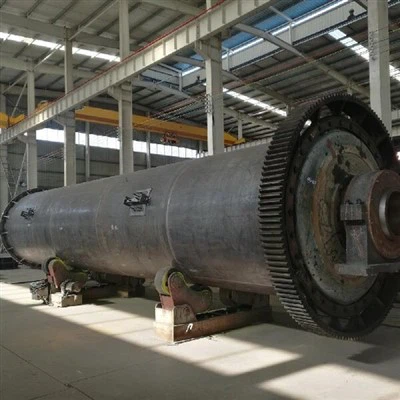
Ball mill grinding balls are the key wear - parts in ball mills, which are widely used in industries such as mining, cement production, and power generation. These balls are responsible for grinding and pulverizing materials inside the ball mill. When the ball mill rotates, the grinding balls are lifted and then fall, impacting and grinding the materials to achieve the desired particle size.
Factors Affecting the Lifespan of Grinding Balls
1. Material of the Grinding Balls
The material of the grinding balls plays a vital role in determining their lifespan. Commonly used materials include high - chromium cast iron, medium - chromium cast iron, low - chromium cast iron, and forged steel. High - chromium cast iron grinding balls have excellent wear resistance due to the presence of a large amount of hard carbide particles. They can maintain their shape and performance for a relatively long time, resulting in a longer lifespan compared to low - chromium cast iron balls. Forged steel balls also offer good toughness and wear resistance, especially in applications where high impact forces are involved.
2. Hardness
Hardness is closely related to wear resistance. Generally, the harder the grinding ball, the better its resistance to abrasion. However, excessive hardness can lead to brittleness, increasing the risk of ball breakage. Therefore, an optimal hardness range needs to be determined based on the specific operating conditions of the ball mill. For example, in a ball mill processing soft materials, balls with a relatively lower hardness may be sufficient, while for hard and abrasive materials, higher - hardness balls are required.
3. Operating Conditions
The operating conditions of the ball mill have a profound impact on the lifespan of grinding balls. The speed of the ball mill affects the impact and grinding forces exerted on the balls. A higher rotational speed can increase the impact energy, which may lead to faster wear and breakage of the balls if not properly controlled. The type and particle size of the material being ground also matter. Harder and coarser materials will cause more severe wear on the grinding balls compared to softer and finer materials. Additionally, the filling rate of the grinding balls in the mill affects their movement and interaction. An improper filling rate can result in uneven wear and reduced lifespan.
4. Chemical Environment
In some cases, the chemical environment inside the ball mill can also affect the lifespan of grinding balls. For example, in a wet - grinding process where corrosive substances are present, the grinding balls may be subject to chemical corrosion in addition to mechanical wear. This can accelerate the deterioration of the balls and shorten their lifespan.
Estimating the Lifespan of Grinding Balls
It is difficult to provide an exact lifespan for ball mill grinding balls because it varies greatly depending on the factors mentioned above. In general, under normal operating conditions, high - quality high - chromium cast iron grinding balls can last from several months to over a year. For low - chromium cast iron balls, the lifespan may be shorter, typically ranging from a few weeks to a few months.
To estimate the lifespan more accurately, operators can monitor the consumption rate of grinding balls over time. By regularly weighing the remaining balls and calculating the amount of ball loss, they can predict when a new batch of balls will be needed. Some advanced ball mills are also equipped with sensors that can provide real - time data on the condition of the grinding balls, helping operators make more informed decisions.
Importance of Replacing Worn - Out Grinding Balls in a Timely Manner
Replacing worn - out grinding balls in a timely manner is essential for maintaining the efficiency of the ball mill. As the grinding balls wear down, their size and shape change, which can lead to a decrease in grinding efficiency. The reduced grinding efficiency means that more energy is required to achieve the same level of material pulverization, resulting in higher operating costs. Moreover, worn - out balls may also cause uneven grinding, leading to inconsistent product quality.
Our Comprehensive Range of Ball Mill Parts
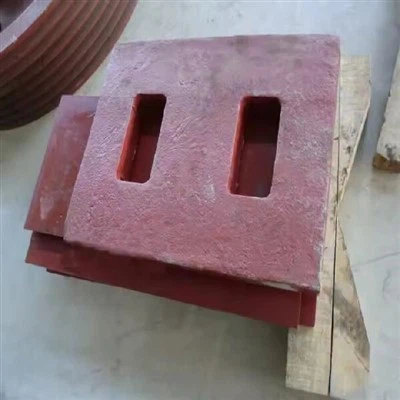
As a ball mill parts supplier, we offer not only high - quality grinding balls but also a wide range of other essential ball mill components. For instance, our Ball Mill Linling Plate is designed to protect the inner wall of the ball mill and enhance the grinding effect. It is made of wear - resistant materials and has a unique structure to ensure long - term performance.
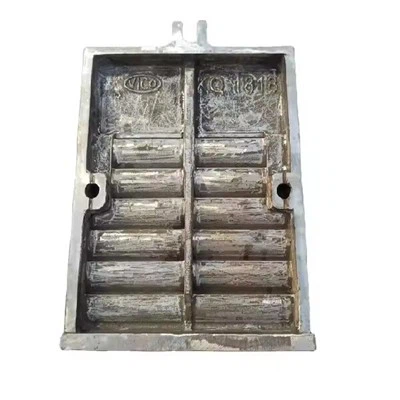
Our Ball Mill Diaphragm plays a crucial role in separating different grinding chambers and controlling the flow of materials inside the ball mill. It helps to optimize the grinding process and improve the overall efficiency of the mill.
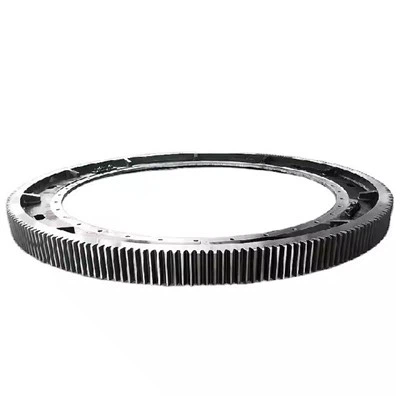
In addition, our Ball Mill Pinion is a key component for transmitting power to the ball mill. It is manufactured with high - precision machining and high - quality materials to ensure smooth operation and long service life.
Conclusion
The lifespan of ball mill grinding balls is influenced by multiple factors, including the material, hardness, operating conditions, and chemical environment. By understanding these factors, operators can take appropriate measures to extend the lifespan of grinding balls and improve the efficiency of ball mill operations. As a professional ball mill parts supplier, we are committed to providing high - quality products and comprehensive solutions to meet your ball mill needs. If you are interested in our ball mill parts or have any questions about ball mill operation and maintenance, please feel free to contact us for procurement and in - depth discussions.


References
- "Handbook of Mineral Processing" by Wills B. A. and Napier - Munn T. J.
- "Ball Milling Theory and Practice for the Amateur Pyrotechnician" by R. D. T.
- Research papers on ball mill wear and performance in relevant industrial journals.