When operating a rotary kiln furnace, safety is of paramount importance. As a supplier of rotary kiln furnaces, I understand the critical nature of adhering to strict safety precautions to ensure the well - being of operators and the smooth running of the equipment. In this blog, I will delve into the key safety measures that should be taken when working with rotary kiln furnaces.
Pre - operation Safety Checks
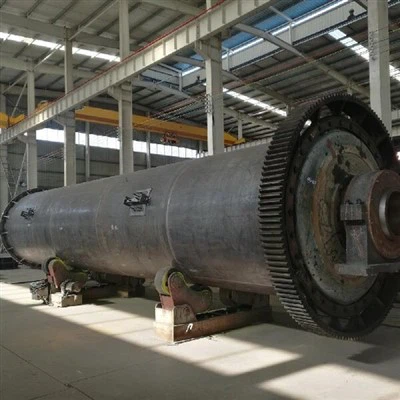
Before starting the rotary kiln furnace, a series of comprehensive pre - operation checks must be carried out. First and foremost, inspect the mechanical components of the kiln. Check the alignment of the kiln shell to ensure that it is straight and not misaligned. Misalignment can cause uneven wear on the refractory lining and may lead to mechanical failures during operation. Examine the tires and rollers that support the kiln. Look for signs of excessive wear, cracks, or misalignment. Any issues with these components can affect the stability of the kiln and pose a safety risk.
The refractory lining is another crucial part to inspect. A damaged or worn - out refractory lining can lead to heat leakage, which not only reduces the efficiency of the kiln but also endangers the operators. Check for cracks, spalling, or any signs of deterioration in the refractory. If any problems are detected, the lining should be repaired or replaced before starting the kiln.
In addition to mechanical inspections, electrical and control systems need to be thoroughly checked. Ensure that all electrical connections are secure and free from damage. Test the control panels to make sure that all the functions are working properly. This includes temperature controls, speed controls, and safety interlocks. Malfunctioning electrical or control systems can lead to improper operation of the kiln and potentially dangerous situations.
Personal Protective Equipment (PPE)
Operators of rotary kiln furnaces must wear appropriate personal protective equipment at all times. Heat - resistant clothing is essential to protect against the high temperatures generated by the kiln. This includes fire - resistant jackets, pants, and gloves. The clothing should be made of materials that can withstand high heat and prevent burns.
Eye protection is also crucial. High - temperature operations can produce intense light and flying debris. Safety goggles or face shields should be worn to protect the eyes from these hazards. In addition, operators should wear safety helmets to protect their heads from falling objects or potential impacts.
Respiratory protection is necessary, especially when dealing with dust and fumes. Rotary kiln furnaces can generate various types of dust and harmful gases during operation. Depending on the nature of the materials being processed, operators may need to wear dust masks, respirators, or even self - contained breathing apparatuses.
Ventilation and Air Quality
Proper ventilation is vital for the safety of the operators and the environment. Rotary kiln furnaces produce a large amount of heat, dust, and fumes. Adequate ventilation systems should be in place to remove these contaminants from the work area. The ventilation system should be designed to provide sufficient air exchange to maintain a safe working environment.
Regular monitoring of air quality is also necessary. Install air quality sensors in the work area to detect the levels of dust, gases, and other pollutants. If the air quality exceeds the safe limits, appropriate measures should be taken, such as increasing the ventilation rate or using additional air purification equipment.
Operating Procedures
During the operation of the rotary kiln furnace, strict operating procedures must be followed. Operators should be trained to start and stop the kiln correctly. Improper startup or shutdown procedures can cause thermal shock to the kiln, which may damage the refractory lining and other components.
When adding materials to the kiln, it should be done gradually and evenly. Sudden or uneven feeding can cause imbalances in the kiln, leading to vibration and potential mechanical failures. Operators should also monitor the temperature and pressure inside the kiln continuously. Any abnormal changes in temperature or pressure should be investigated immediately and appropriate actions should be taken.
The speed of the kiln rotation is another important parameter to control. The rotation speed should be set according to the type of materials being processed and the design requirements of the kiln. Incorrect rotation speed can affect the quality of the processed materials and may also cause mechanical problems.
Maintenance and Inspection
Regular maintenance and inspection are essential for the long - term safety and reliability of the rotary kiln furnace. A preventive maintenance schedule should be established, which includes regular lubrication of moving parts, replacement of worn - out components, and calibration of control systems.
Inspections should be carried out at regular intervals to detect any potential problems early. This includes both visual inspections and non - destructive testing methods. For example, ultrasonic testing can be used to detect internal defects in the kiln shell or other components.


Emergency Preparedness
Despite all the preventive measures, emergencies can still occur. Therefore, an emergency preparedness plan should be in place. This plan should include procedures for dealing with fires, explosions, heat leakage, and other potential emergencies.
Fire - fighting equipment, such as fire extinguishers and fire hoses, should be readily available in the work area. Operators should be trained on how to use this equipment effectively. In addition, evacuation routes should be clearly marked, and regular evacuation drills should be conducted to ensure that all operators know how to evacuate safely in case of an emergency.
Types of Rotary Kiln Furnaces and Their Safety Considerations
We offer a variety of rotary kiln furnaces, each with its own unique features and safety considerations. For example, the Plug in Type Rotary Kiln has a specific design that requires careful installation and connection. When operating this type of kiln, special attention should be paid to the electrical connections to prevent short - circuits and electrical hazards.
The Burner Pipe Rotary Kilns rely on burner pipes for heating. The burner pipes need to be inspected regularly for blockages or damage. A blocked burner pipe can cause uneven heating and potentially dangerous pressure build - up.
Our Energy Saving Rotary Kiln is designed to be more energy - efficient. However, this also means that the control systems are more complex. Operators need to be trained to operate these advanced control systems properly to ensure both energy efficiency and safety.
In conclusion, operating a rotary kiln furnace safely requires a combination of pre - operation checks, proper use of personal protective equipment, good ventilation, strict operating procedures, regular maintenance, and emergency preparedness. By following these safety precautions, operators can minimize the risks associated with rotary kiln furnace operations.
If you are interested in purchasing a rotary kiln furnace or have any questions about safety precautions, please feel free to contact us for further discussion and procurement negotiation.
References
- "Rotary Kiln Handbook" - A comprehensive guide on the design, operation, and maintenance of rotary kilns.
- Industry standards and guidelines for high - temperature industrial equipment safety.