Hey there! As a supplier of special ball mills, I often get asked about the feeding methods of these awesome machines. So, I thought I'd write this blog to share all the details with you.
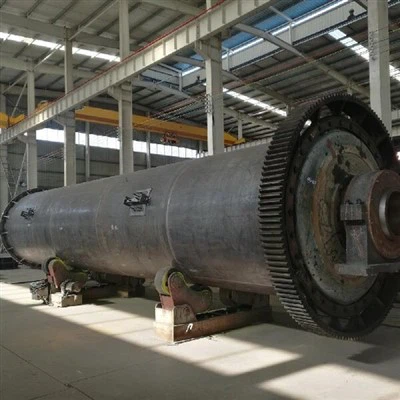
First off, let's understand what a special ball mill is. Special ball mills are designed for specific grinding tasks and can handle various materials, from hard minerals to soft chemicals. They come in different types, like the High Energy Ball Milling, Autogenous Grinding Mill, and Semi Autogenous Grinding Mill. Each type has its own unique features and feeding requirements.
Gravity Feeding
One of the most common feeding methods for special ball mills is gravity feeding. It's a simple and straightforward approach. You just place the material hopper above the mill's inlet. Gravity does the rest, pulling the material down into the mill. This method is great for free - flowing materials like grains or powders.
The advantage of gravity feeding is its low cost. You don't need any complex equipment, just a hopper and a proper setup. However, it has its limitations. If the material is sticky or has a high moisture content, it might clog the hopper or the inlet, causing feeding problems. Also, it's not very precise when it comes to controlling the feed rate.
Screw Feeding
Screw feeding is another popular option. It uses a screw conveyor to move the material from the hopper to the mill. The screw rotates, pushing the material forward. This method gives you better control over the feed rate. You can adjust the speed of the screw to regulate how much material goes into the mill.
Screw feeding is suitable for a wider range of materials, including those that are not free - flowing. It can handle materials with some stickiness or moisture. But it does require more maintenance compared to gravity feeding. The screw can wear out over time, and you need to make sure it's clean to prevent blockages.
Belt Feeding
Belt feeding involves using a conveyor belt to transport the material. The material is placed on the belt, which moves it towards the mill's inlet. Belt feeding is great for large - scale operations. It can handle a large volume of material at once.
It also allows for easy integration with other parts of the production line. You can connect the belt feeder to a crusher or a screening machine. However, belt feeders take up more space and can be more expensive to install and maintain. There are also issues like belt slippage and material spillage that you need to watch out for.
Pneumatic Feeding
Pneumatic feeding uses compressed air to move the material. The material is mixed with air in a pipeline, and the air pressure pushes it into the mill. This method is ideal for fine powders. It can achieve a very high - speed and uniform feeding.
Pneumatic feeding is clean and dust - free, which is a big plus in many industries. But it requires a reliable source of compressed air and a well - designed pipeline system. The equipment can be quite expensive, and there are energy costs associated with running the air compressor.
Factors Affecting Feeding Method Selection
When choosing a feeding method for your special ball mill, there are several factors to consider.


Material Properties
The type of material you're grinding is crucial. As I mentioned earlier, free - flowing materials are well - suited for gravity feeding, while sticky or moist materials might need screw or pneumatic feeding. The particle size of the material also matters. Fine powders might be better handled by pneumatic or screw feeding, while larger particles could work with belt or gravity feeding.
Production Capacity
If you have a high - volume production requirement, belt feeding or pneumatic feeding might be the way to go. They can handle large amounts of material quickly. For small - scale operations, gravity or screw feeding could be more cost - effective.
Cost
Cost is always a consideration. Gravity feeding is the cheapest option in terms of equipment and installation. Screw feeding and belt feeding are moderately priced, while pneumatic feeding is usually the most expensive due to the need for compressed air systems and complex pipelines.
Precision
If you need precise control over the feed rate, screw feeding is a good choice. Pneumatic feeding can also provide high precision, but it comes with a higher cost.
Our Special Ball Mills and Feeding Solutions
At our company, we understand that every customer's needs are different. That's why we offer a range of special ball mills and can help you choose the right feeding method for your specific application.
Our High Energy Ball Milling machines are designed for high - intensity grinding tasks. We can recommend a feeding system that can keep up with the high - speed operation. Whether it's a screw feeder for precise control or a pneumatic feeder for fine powders, we've got you covered.
The Autogenous Grinding Mill uses the material itself as the grinding media. The feeding method for this type of mill needs to ensure a continuous and even supply of material. We can help you set up a belt feeder or a screw feeder to meet these requirements.
For the Semi Autogenous Grinding Mill, which combines the use of steel balls and the material for grinding, we can provide a customized feeding solution. Depending on the size and capacity of your mill, we can suggest the most suitable feeding method to optimize the grinding process.
If you're in the market for a special ball mill or need to upgrade your existing feeding system, don't hesitate to reach out. We're here to help you make the best choice for your business. Whether you're in the mining, chemical, or pharmaceutical industry, we have the expertise and products to meet your needs. Contact us today to start a discussion about your requirements and let's work together to find the perfect solution.
References
- "Ball Milling Theory and Practice for the Amateur Pyrotechnician" by Lloyd Sponenburgh
- "Mineral Processing Design and Operations: An Introduction" by Barry A. Wills and Tim Napier - Munn