Hey there! As a ball mill material supplier, I often get asked about which ball mill material is suitable for grinding polymers. Well, let's dive right into it and explore the options.


First off, let's understand a bit about polymers. Polymers are large molecules made up of repeating subunits. They can be found in a wide range of products, from plastics to rubber. Grinding polymers can be a tricky process because they are often soft and sticky, which can lead to issues like clogging and overheating in the ball mill.
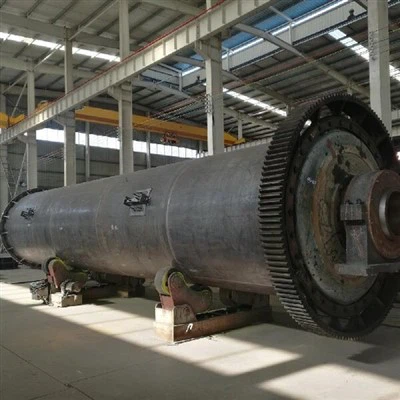
One of the popular materials for ball mills is ceramic. Ceramic Ball Mill Machine is a great option when it comes to grinding polymers. Ceramics are hard and wear - resistant, which means they can withstand the abrasion caused by the grinding process. They also have a relatively low density compared to some other materials, which can reduce the energy consumption of the ball mill.
Ceramic balls in a ball mill can provide a smooth grinding action. The surface of ceramic balls is very uniform, which helps in achieving a consistent particle size distribution of the ground polymers. This is crucial, especially if the polymers are going to be used in applications where a specific particle size is required, like in the production of high - quality plastics or coatings.
Another option is limestone. Limestone Grinding Mill is often used in various industries, and it can also be a good choice for grinding polymers. Limestone is a sedimentary rock composed mainly of calcium carbonate. It is relatively inexpensive and readily available.
When using limestone as a ball mill material for polymers, it can act as a filler in some cases. During the grinding process, the limestone particles can mix with the polymers, modifying their properties. For example, it can improve the stiffness and dimensional stability of the polymers. However, one thing to note is that limestone is not as hard as ceramic, so it may wear out faster. But if cost is a major factor and you don't need extremely fine grinding, limestone can be a practical option.
Now, let's talk about coal. Coal Mill In Cement Plant is a well - known application, but coal can also be considered for grinding polymers in certain situations. Coal has a unique structure and composition. It contains carbon and various organic compounds.
When used in a ball mill for polymers, coal particles can interact with the polymer chains. In some cases, it can help in breaking down the polymers more effectively due to its porous structure. The pores in coal can absorb some of the heat generated during the grinding process, reducing the risk of overheating the polymers. However, coal may introduce some impurities into the polymer mixture, so it's important to carefully consider the end - use of the ground polymers.
We also need to consider the size and shape of the ball mill materials. Spherical balls are the most common shape used in ball mills. They roll and tumble smoothly, providing a consistent grinding action. The size of the balls matters too. Smaller balls are better for achieving a finer particle size, while larger balls can handle larger chunks of polymers and are more suitable for the initial stages of grinding.
The operating conditions of the ball mill also play a significant role. The speed of the ball mill, the filling level of the balls and the polymers, and the temperature all affect the grinding process. For polymers, it's important to keep the temperature under control to prevent melting or degradation. A lower speed may be required in some cases to avoid excessive heat generation.
In addition to the materials mentioned above, there are also some specialized ball mill materials available. For example, steel balls are very hard and can provide a high - energy grinding action. But they may react with some polymers, especially those that are sensitive to metal ions. So, the choice of steel balls needs to be carefully evaluated based on the type of polymers being ground.
When it comes to choosing the right ball mill material for grinding polymers, it's all about finding the balance between cost, performance, and the specific requirements of the polymers. If you need a high - precision and long - lasting solution, ceramic balls might be the way to go. But if you're on a tight budget and can tolerate some wear and tear, limestone could be a good option.
If you're in the market for ball mill materials for grinding polymers, I'd love to have a chat with you. Every polymer grinding project is unique, and I can help you figure out the best ball mill material based on your specific needs. Whether you're a small - scale manufacturer or a large industrial company, I'm here to assist you in getting the most out of your ball mill. So, don't hesitate to reach out and start a conversation about your polymer grinding requirements.
References
- "Handbook of Polymer Science and Technology"
- "Ball Mill Technology and Applications"
- "Materials Science for Polymer Processing"