

Product Description
Plan the Line Around Cement Chemistry
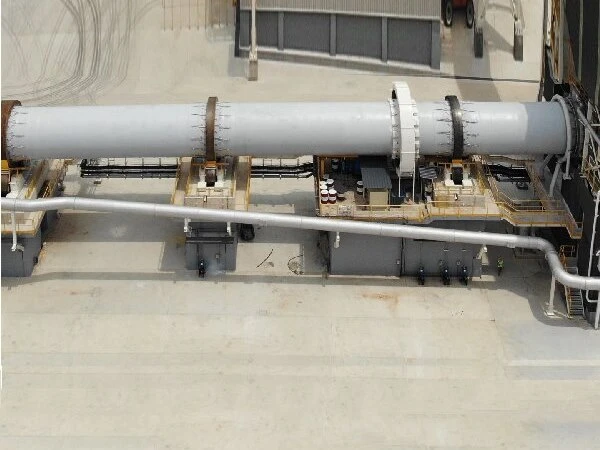
AGICO's calcium aluminate cement manufacturing process brings raw material preparation, clinker production and cement grinding into one equipment plan. The target cement grade is selected first, so feed chemistry and grinding requirements guide the configuration. Calcium aluminate cement is used as a hydraulic binder in refractory castables and industrial linings. AGICO supplies rotary kilns, grinding equipment and related kiln parts, allowing the hot section and finishing section to be considered together. This page focuses on a rotary kiln route from prepared feed to ground cement.
Product Advantages
Equipment Selected Around Product Chemistry
AGICO's equipment selection starts with the cement grade, helping connect raw material requirements with the kiln and grinding arrangement.
Kiln Operation With Adjustable Rotation
AGICO's rotary kiln drive provides speed adjustment as feed and burning conditions change.
Grinding Matched to Cement Fineness
AGICO's ball mill equipment is selected around clinker properties and the required finished powder.
Identifiable Parts for Maintenance Planning
AGICO's kiln parts range helps buyers include lining, seals and drive components in a defined supply enquiry.
Working Process
How the Rotary Kiln Route Works
Limestone and an alumina-bearing feed are proportioned to achieve the required calcium-to-alumina balance. Crushing, blending and controlled feeding reduce variations in particle size and chemistry, helping the kiln receive a consistent feed.
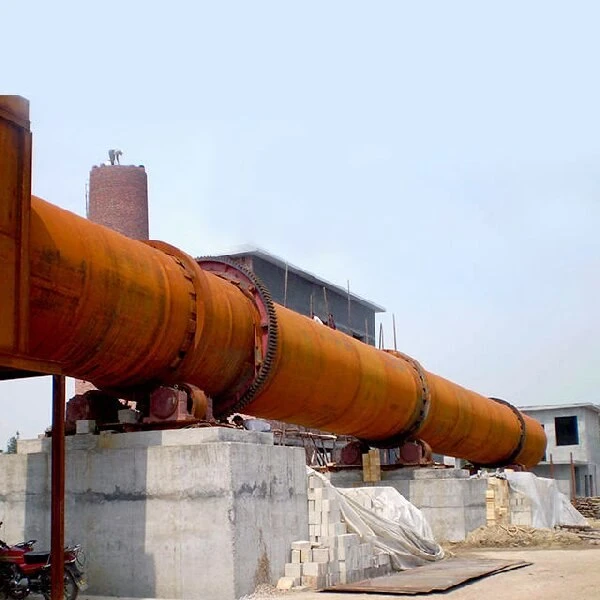
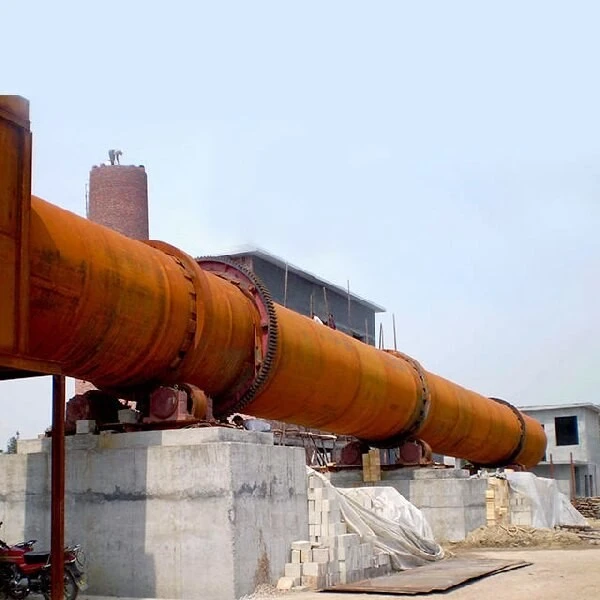
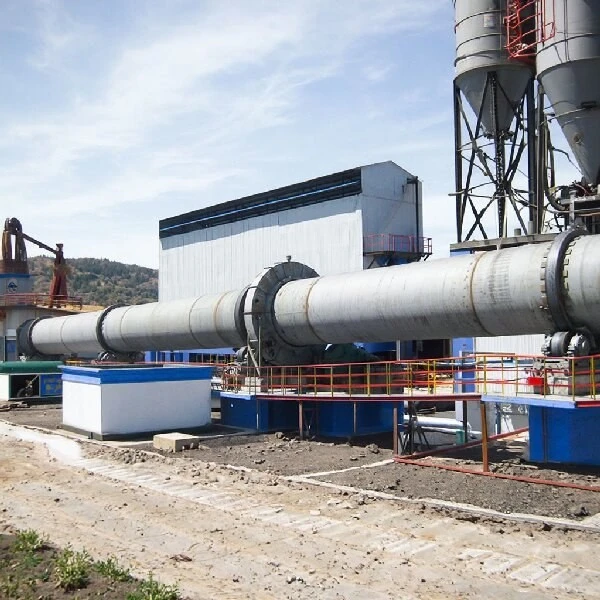
Inside the inclined rotary kiln, rotation continually turns the material bed and moves it towards the discharge end, against the flow of hot combustion gases. Heat transfer drives moisture removal and limestone decarbonation, releasing carbon dioxide and producing calcium oxide. As heating continues, calcium oxide reacts with alumina to form calcium aluminate clinker. Feed chemistry, the temperature profile and material residence time govern the extent of reaction and the resulting mineral composition.
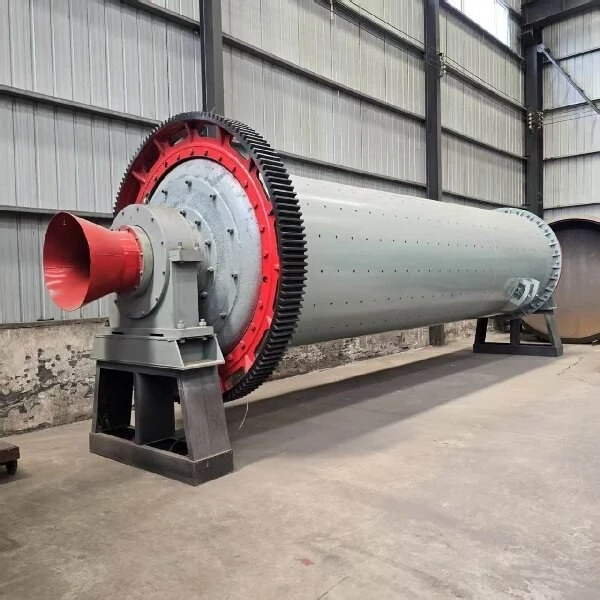
After controlled cooling, the clinker enters a ball mill, where grinding media reduce it by impact and attrition. Grinding develops the fineness needed for the intended cement grade. The finished powder is collected and stored dry to prevent premature hydration; when mixed with water during use, its calcium aluminate phases hydrate to form the binding matrix.
Product Application
Castable Mixes
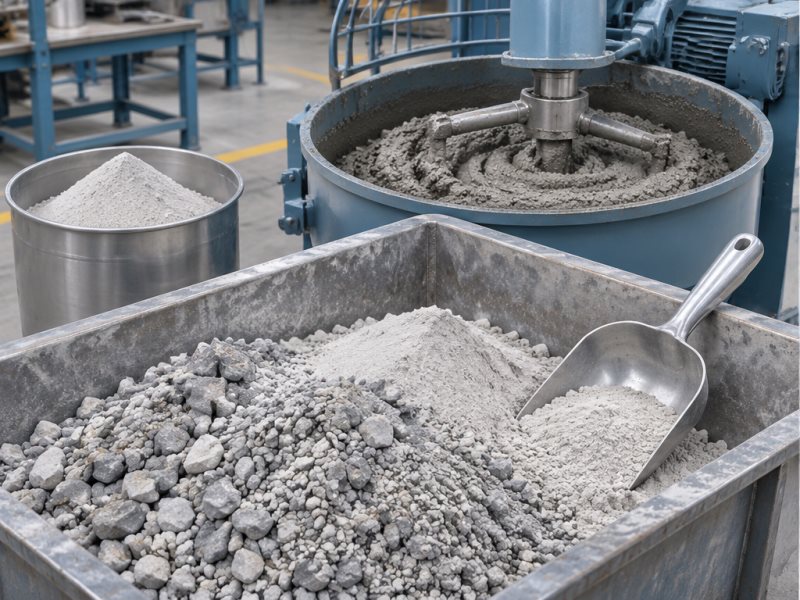
Calcium aluminate cement acts as the hydraulic binder in refractory castables and repair mixes.
Furnace Linings
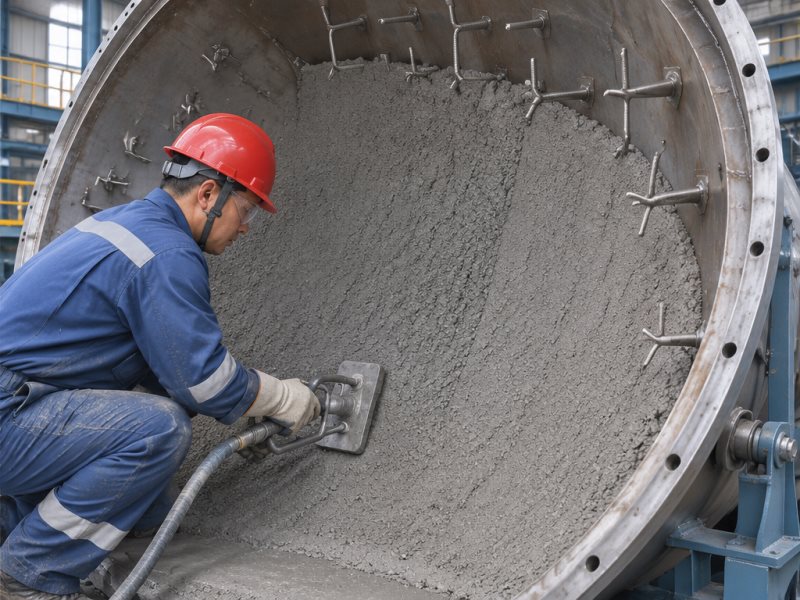
Castable linings are formed inside industrial furnaces and vessels using application-specific refractory formulations.
Related Equipment
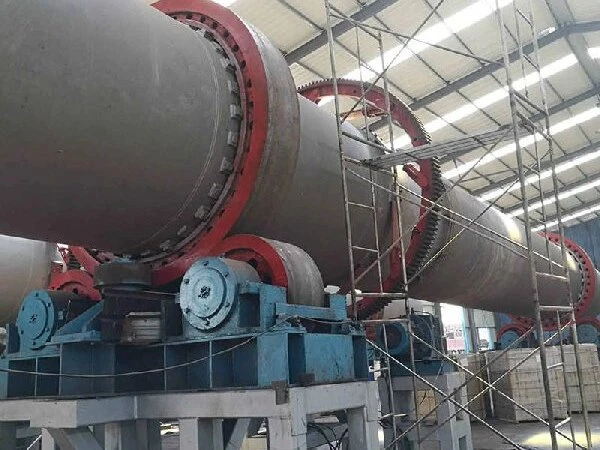
Calcium Aluminate Rotary Kiln
The burning unit for the selected clinker route; coordinate its feed, discharge and cooling connections.
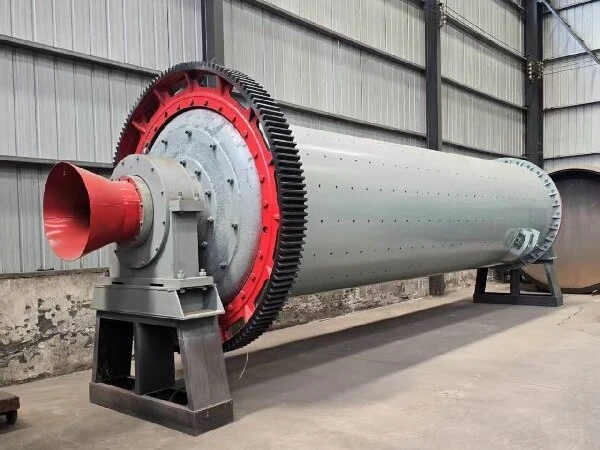
Cement Grinding Ball Mill
The finishing mill for cooled clinker; match the grinding arrangement to the required powder fineness.
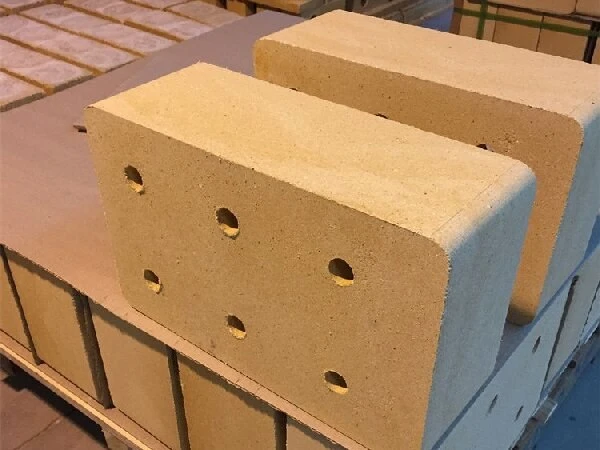
Kiln Refractory Bricks
Lining materials for the hot section; select the lining against feed chemistry and the operating zone.
Hot Tags: calcium aluminate cement manufacturing process, China calcium aluminate cement manufacturing process manufacturers, factory, automatic cement packing machine, cement industry manufacturing process, cement processing, manufacturing process of portland cement, mobile stone crusher machine, simple cement manufacturing process
Product Specification
Finished Cement Grade Targets
Define the required finished cement grade before selecting raw materials and sizing the grinding section. These quality targets provide the starting point for the production plan. Chemical contents are given as mass percentages.
| Grade | Al₂O₃ (%) | CaO (%) |
|---|---|---|
| CA50-A600 | 50–51 | 32–35 |
| CA50-A700 | 50–52 | 32–35 |
| CA70 | 68–71 | 28–30 |
Impurities and Fineness
Blaine fineness is expressed in m²/kg.
| Grade | SiO₂ (%) | Fe₂O₃ (%) | Blaine |
|---|---|---|---|
| CA50-A600 | 7.8–8.3 | 1.5–2.5 | ≥320 |
| CA50-A700 | 7.0–7.5 | 1.5–2.5 | ≥350 |
| CA70 | 0.2–0.7 | 0.1–0.5 | 380–420 |
Final specifications are determined by your raw materials, required output, process route, customization needs and site conditions. Contact the AGICO team to discuss your production plan.
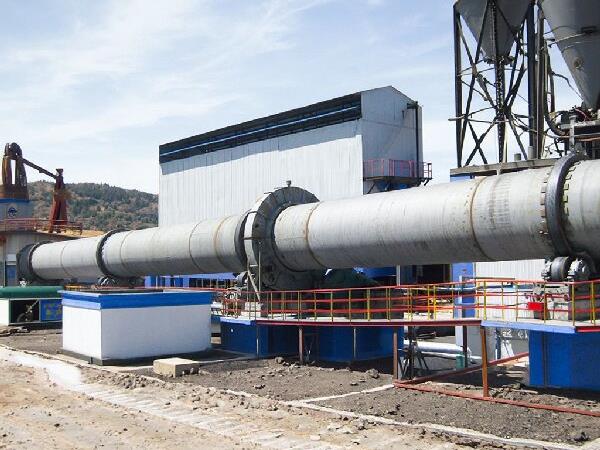
Discuss Your Calcium Aluminate Cement Line
Send your raw material analysis, target cement grade and required output to start an equipment enquiry.
Technical Parameter
Raw Material Analysis
Provide calcium and alumina source analyses, including silica, iron oxide and moisture.
Production Duty
State the required cement output, operating schedule, available fuel and electrical supply.
Product and Site Requirements
Specify fineness, packing method, site layout and any equipment retained from an existing line.
FAQ
What information should accompany a raw material sample?
Send AGICO the chemical analysis, moisture, particle size and source of each material. Include the intended cement grade so the feed and product requirements can be reviewed together.
Can an existing plant be considered for a conversion project?
Provide AGICO with equipment drawings, operating records and the proposed product specification. The review should cover process suitability, contamination control and connections to equipment that will remain.
What should be included in the supply enquiry?
Ask AGICO to identify equipment, drives, controls, wear parts and installation interfaces separately. A clear scope makes proposals easier to compare.
Which details influence the project quotation?
AGICO needs the production duty, feed properties, fuel, product targets and site arrangement. New construction and work within an existing plant require different equipment and installation scopes.


