Hey there! As a kiln material supplier, I often get asked some pretty interesting questions. One that's been popping up a lot lately is, "Can plastic materials be used in kilns under certain conditions?" Well, let's dive right into this topic and see what we can find out.


First off, we all know that kilns are used for a variety of purposes. Whether it's firing ceramics, producing lime, or making other industrial materials, they operate at high temperatures. And plastics, on the other hand, are typically associated with melting and burning at much lower temperatures. But is there a situation where they might work in a kiln?
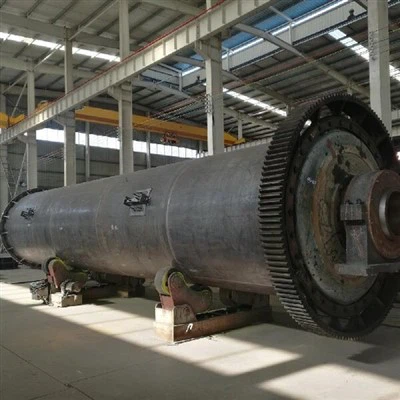
Let's start by understanding the basics of plastics. Plastics are polymers, which are large molecules made up of repeating subunits. There are different types of plastics, like polyethylene, polypropylene, and PVC, each with its own set of properties. Most common plastics start to soften and melt at temperatures between 100°C and 300°C. In contrast, kilns can reach temperatures well above 1000°C. For example, Calcium Aluminate Rotary Kiln often operates at temperatures around 1300 - 1500°C, and Ceramsite Rotary Kiln can reach up to 1200°C. Clearly, these high - temperature environments are not friendly to regular plastics.
However, there are some special high - performance plastics that have better heat resistance. For instance, polyetheretherketone (PEEK) can withstand continuous use at temperatures up to about 260°C and has a melting point around 343°C. Another one is polyphenylene sulfide (PPS), which has a melting point of around 280 - 290°C and can handle short - term exposure to higher temperatures. But even these high - performance plastics are far from being able to withstand the extreme heat of most kilns.
So, under normal circumstances, using plastics in kilns seems like a no - go. But there are some specific conditions where plastics might have a role to play.
One such condition is in the pre - heating stage or as a temporary component. In some kiln processes, there's a pre - heating phase where the temperature gradually rises. During this initial period, if the temperature stays within the tolerance range of certain plastics, they could potentially be used. For example, in a Active Lime Rotary Kiln, the pre - heating stage might start at a relatively low temperature. Some plastic components could be used for things like insulation or as a guide for the material flow during this early phase. Once the temperature starts to climb too high, these plastic parts would need to be removed or replaced.
Another possibility is using plastics as a binder or additive in small amounts. In some ceramic or refractory material production, small quantities of plastic can be added to the raw materials. The plastic can act as a binder to hold the particles together during the forming process. When the kiln is fired, the plastic burns off, leaving behind the desired ceramic or refractory structure. This technique is often used in the production of complex - shaped ceramic parts.
But we also need to consider the potential drawbacks of using plastics in kilns. When plastics burn, they can release harmful chemicals. For example, PVC releases chlorine gas when burned, which is toxic and can be corrosive to the kiln's internal components. Even high - performance plastics can release some volatile organic compounds (VOCs) when heated, which can be a health hazard to the workers and can also cause environmental pollution.
In addition, the combustion of plastics can leave behind residues. These residues can contaminate the final product, especially in applications where high - purity materials are required. For example, in the production of high - quality ceramics for electronics, any contamination can affect the electrical properties of the final product.
So, while there are some limited conditions where plastics can be used in kilns, it's a delicate balance. You need to carefully consider the type of plastic, the temperature profile of the kiln, and the potential impact on the final product and the environment.
As a kiln material supplier, I understand the importance of finding the right materials for your kiln. Whether you're looking for traditional refractory materials or exploring the possibility of using plastics under specific conditions, I'm here to help. If you're interested in learning more about the materials that are suitable for your kiln, or if you want to discuss the feasibility of using plastics in your particular process, don't hesitate to reach out. We can have a detailed discussion about your requirements and come up with the best solutions for your kiln operations.
In conclusion, the use of plastic materials in kilns is a complex topic. It's not something that can be done without careful consideration. But with the right knowledge and approach, there are certain situations where plastics can have a place in kiln processes.
References
- "Plastics: Properties and Applications" by John Murphy
- "Kiln Technology and Operations" by David Smith