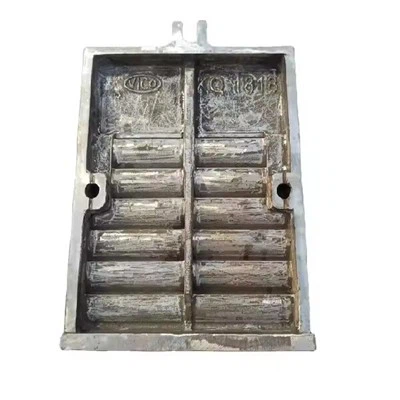
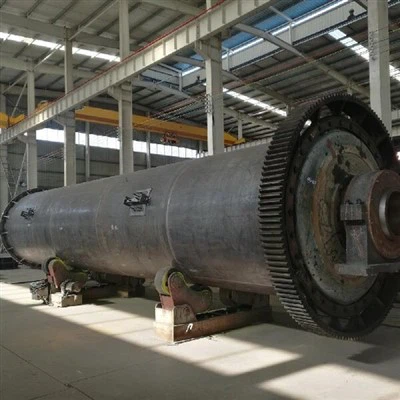
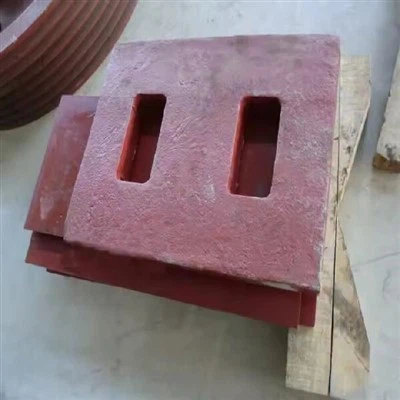
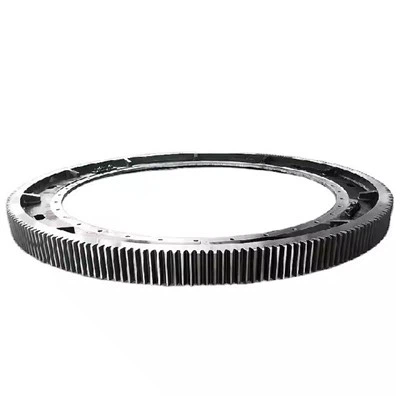
As a supplier of Jaw Crusher Plates, I often encounter questions from customers regarding the reusability of these plates after wear. This topic is of great significance as it directly impacts the operational costs and efficiency of crushing operations. In this blog, I will delve into the factors that determine whether a jaw crusher plate can be reused after wear, the potential benefits and drawbacks of reuse, and provide some practical insights for making an informed decision.
Factors Affecting the Reusability of Jaw Crusher Plates
1. Degree of Wear
The most obvious factor is the extent to which the jaw crusher plate has worn. Wear can occur in different forms, such as uniform wear across the surface, uneven wear due to improper installation or feed material characteristics, and localized wear in high - stress areas. If the wear is relatively minor, for example, if the reduction in thickness is within an acceptable range and the plate still maintains its structural integrity, there is a higher chance of reuse. However, if the wear has caused significant damage, such as cracks, large chunks of material missing, or extreme thinning in critical areas, reusing the plate may not be a viable option.
2. Material Quality
The quality of the material used to manufacture the jaw crusher plate plays a crucial role. High - quality materials, such as those with excellent hardness, toughness, and wear resistance, are more likely to withstand wear and may be suitable for reuse. For instance, some advanced alloy steels used in Jaw Crusher Plate manufacturing can retain their mechanical properties even after a certain degree of wear. On the other hand, low - quality materials may degrade rapidly, losing their strength and shape, making reuse unfeasible.
3. Crushing Application
The type of material being crushed also affects the reusability of the jaw crusher plate. If the crusher is used to process relatively soft materials, the wear on the plates will be less severe compared to crushing hard and abrasive materials like granite or quartz. In soft - material applications, the plates may be in a better condition for reuse. Additionally, the size and shape of the feed material can influence wear patterns. Irregularly shaped or large - sized feed materials may cause more uneven wear, which can impact the plate's reusability.
4. Operating Conditions
Operating conditions, including the crusher's operating speed, feed rate, and the amount of dust and debris in the working environment, can have a significant impact on the wear of the jaw crusher plates. High - speed operation and excessive feed rates can increase the wear rate, while a dusty environment can accelerate abrasion. If the operating conditions are well - controlled, the plates may experience less wear and have a higher potential for reuse.
Benefits of Reusing Jaw Crusher Plates
1. Cost Savings
One of the most significant advantages of reusing jaw crusher plates is cost savings. Purchasing new crusher plates can be a substantial expense, especially for large - scale crushing operations. By reusing worn plates, operators can significantly reduce their procurement costs. This cost - saving measure can have a positive impact on the overall profitability of the operation.
2. Environmental Sustainability
Reusing materials is an environmentally friendly practice. It reduces the demand for new raw materials and the energy required for manufacturing new jaw crusher plates. By extending the lifespan of the plates through reuse, we can contribute to a more sustainable mining and crushing industry.
3. Reduced Downtime
Replacing a worn jaw crusher plate can be a time - consuming process, especially if the replacement parts need to be ordered and shipped. Reusing a worn plate can minimize downtime as the plate can be quickly reinstalled after any necessary repairs or adjustments. This ensures that the crushing operation can resume promptly, maintaining productivity.
Drawbacks of Reusing Jaw Crusher Plates
1. Reduced Performance
Worn jaw crusher plates may not perform as efficiently as new ones. The reduction in thickness and changes in the plate's surface profile can affect the crushing efficiency, resulting in lower production rates and a less uniform product size. This can be a significant concern for operations that require high - quality crushed products.
2. Increased Risk of Failure
Reusing a worn plate increases the risk of plate failure during operation. Cracks or weakened areas in the plate may propagate under the high - stress conditions of the crushing process, leading to sudden and unexpected breakdowns. This can cause significant damage to the crusher and result in costly repairs and extended downtime.
3. Safety Concerns
Using a worn jaw crusher plate can pose safety risks. If the plate fails during operation, it can release fragments at high speeds, endangering the safety of operators and nearby equipment. Ensuring the safety of the working environment is of utmost importance, and the potential risks associated with reusing worn plates must be carefully considered.
Assessing the Reusability of Jaw Crusher Plates
To determine whether a jaw crusher plate can be reused, a thorough inspection should be carried out. The inspection should include the following steps:
1. Visual Inspection
A visual inspection can reveal obvious signs of wear, such as cracks, chips, and excessive thinning. Look for any visible damage to the plate's surface, edges, and corners. Pay special attention to areas that are prone to high - stress, such as the crushing chamber and the contact points with the crusher frame.
2. Thickness Measurement
Measure the thickness of the jaw crusher plate at multiple points using a caliper or other suitable measuring tools. Compare the measured thickness with the original specifications to determine the extent of wear. If the thickness has decreased significantly beyond the acceptable limit, the plate may not be suitable for reuse.
3. Non - Destructive Testing
Non - destructive testing methods, such as ultrasonic testing or magnetic particle testing, can be used to detect internal defects, such as cracks or voids, that may not be visible to the naked eye. These tests can provide valuable information about the plate's structural integrity and help in making an informed decision about reuse.


When to Reuse and When to Replace
If the inspection reveals that the jaw crusher plate has only minor wear, is made of high - quality material, and the operating conditions are relatively mild, reuse may be a viable option. However, if the plate shows signs of severe wear, internal defects, or if the crushing application requires high - performance plates, it is advisable to replace the plate with a new one.
In addition to Jaw Crusher Plate, we also supply Jaw Crusher Toggle Plate and High Quality Crusher Hammer. These parts are essential for the proper functioning of the crusher and are manufactured to the highest standards.
If you are facing decisions regarding the reuse or replacement of jaw crusher plates, or if you are interested in purchasing high - quality crusher parts, we are here to assist you. Our team of experts can provide professional advice based on your specific needs and operating conditions. Contact us to discuss your requirements and explore the best solutions for your crushing operations.
References
- Smith, J. (2020). "Wear and Tear in Jaw Crushers: A Comprehensive Analysis". Mining Engineering Journal, 45(2), 78 - 85.
- Johnson, R. (2019). "Reusability of Crusher Components: A Cost - Benefit Analysis". Industrial Machinery Review, 32(4), 120 - 128.
- Brown, A. (2018). "Advanced Materials for Crusher Plates: Enhancing Wear Resistance". Materials Science and Technology, 26(3), 210 - 217.