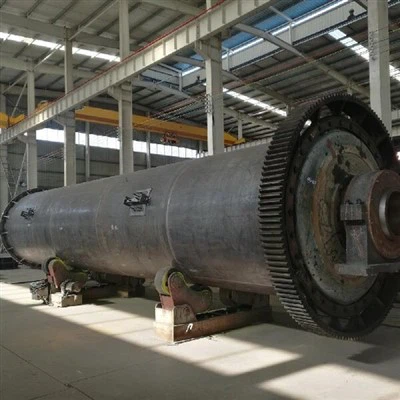
As a seasoned supplier of gypsum rotary kilns, I've witnessed firsthand the pivotal role these machines play in various industrial processes. Gypsum rotary kilns are essential for calcining gypsum, a process that transforms raw gypsum into a usable form for a wide range of applications, from construction materials to industrial chemicals. However, like any complex machinery, gypsum rotary kilns require regular maintenance to ensure optimal performance, longevity, and safety. In this blog, I'll delve into the crucial question of how often a gypsum rotary kiln should be maintained, exploring the factors that influence maintenance intervals and providing practical guidelines for keeping your kiln in top shape.


Factors Influencing Maintenance Intervals
Determining the appropriate maintenance schedule for a gypsum rotary kiln is not a one-size-fits-all approach. Several key factors come into play, each of which can significantly impact the frequency and scope of maintenance required. Here are some of the most important considerations:
1. Operating Conditions
The operating conditions of a gypsum rotary kiln can have a profound effect on its wear and tear. Factors such as temperature, humidity, and the quality of the raw materials being processed can all contribute to the degradation of the kiln's components. For example, operating a kiln at high temperatures for extended periods can cause the refractory lining to deteriorate more quickly, while exposure to corrosive materials can accelerate the corrosion of metal parts. In general, kilns operating under harsh conditions will require more frequent maintenance than those operating under more benign conditions.
2. Kiln Design and Age
The design and age of a gypsum rotary kiln also play a crucial role in determining its maintenance needs. Newer kilns are often equipped with advanced features and materials that are more durable and require less maintenance than older models. Additionally, the design of the kiln can impact its accessibility for maintenance and repair. Kilns with easy-to-reach components and well-designed access points will be easier to maintain, reducing the time and cost required for maintenance activities.
3. Production Volume
The production volume of a gypsum rotary kiln is another important factor to consider when determining maintenance intervals. Kilns that are operating at high production rates will experience more wear and tear on their components than those operating at lower rates. This is because the increased production volume means that the kiln is running for longer periods of time and processing more raw materials, which can put additional stress on the kiln's mechanical and thermal systems. As a result, kilns with high production volumes will typically require more frequent maintenance than those with lower production volumes.
4. Maintenance History
The maintenance history of a gypsum rotary kiln can also provide valuable insights into its current condition and future maintenance needs. Kilns that have a history of regular maintenance and timely repairs are likely to be in better condition than those that have been neglected. By reviewing the maintenance records of a kiln, you can identify any recurring issues or patterns of wear and tear, which can help you to develop a more targeted maintenance schedule.
Recommended Maintenance Intervals
Based on my experience as a gypsum rotary kiln supplier, I recommend the following maintenance intervals as a general guideline. However, it's important to note that these intervals may need to be adjusted based on the specific factors discussed above.
1. Daily Maintenance
Daily maintenance is essential for keeping a gypsum rotary kiln in good working condition. This includes tasks such as visual inspections of the kiln's components, checking for leaks or abnormal noises, and monitoring the operating parameters of the kiln, such as temperature, pressure, and speed. Daily maintenance should also include cleaning the kiln's exterior and removing any debris or dust that may have accumulated on the kiln's surface.
2. Weekly Maintenance
Weekly maintenance tasks typically involve more in-depth inspections and checks of the kiln's components. This may include checking the lubrication levels of the kiln's bearings and gears, inspecting the drive system for any signs of wear or damage, and checking the alignment of the kiln's rotating parts. Weekly maintenance should also include a review of the kiln's operating data to identify any trends or anomalies that may indicate a potential problem.
3. Monthly Maintenance
Monthly maintenance is more comprehensive and may involve tasks such as replacing worn or damaged parts, cleaning the kiln's interior, and performing a more detailed inspection of the kiln's refractory lining. Monthly maintenance should also include a calibration of the kiln's sensors and control systems to ensure accurate and reliable operation.
4. Quarterly Maintenance
Quarterly maintenance is a major maintenance event that typically involves a thorough inspection and overhaul of the kiln's major components. This may include disassembling and inspecting the kiln's drive system, replacing the kiln's refractory lining if necessary, and performing a comprehensive cleaning of the kiln's interior. Quarterly maintenance should also include a performance evaluation of the kiln to ensure that it is operating at its optimal efficiency.
5. Annual Maintenance
Annual maintenance is the most extensive maintenance event and typically involves a complete shutdown of the kiln for a period of time. During this time, the kiln will be thoroughly inspected, cleaned, and repaired as needed. Annual maintenance may also include upgrades or modifications to the kiln's components to improve its performance or extend its lifespan.
Importance of Regular Maintenance
Regular maintenance of a gypsum rotary kiln is essential for several reasons. Firstly, it helps to ensure the safety of the kiln's operators and the surrounding environment. A well-maintained kiln is less likely to experience mechanical failures or other problems that could lead to accidents or environmental hazards. Secondly, regular maintenance helps to extend the lifespan of the kiln, reducing the need for costly replacements. By keeping the kiln's components in good working condition, you can prevent premature wear and tear and avoid the need for major repairs or replacements. Finally, regular maintenance helps to improve the efficiency and productivity of the kiln. A well-maintained kiln will operate more smoothly and efficiently, reducing energy consumption and increasing production output.
Conclusion
In conclusion, the frequency of maintenance for a gypsum rotary kiln depends on a variety of factors, including operating conditions, kiln design and age, production volume, and maintenance history. By considering these factors and following the recommended maintenance intervals outlined in this blog, you can ensure that your gypsum rotary kiln operates at its optimal performance, longevity, and safety.
If you're in the market for a high-quality gypsum rotary kiln or need assistance with maintenance and repair services, please don't hesitate to contact us. We're a leading supplier of gypsum rotary kilns and have a team of experienced professionals who can provide you with the expert advice and support you need. Whether you're looking for a Calcium Aluminate Rotary Kiln, a Professional Cement Rotary Kiln, or a Laterite Nickel Rotary Kiln, we have the right solution for your needs. Let's start a conversation today and explore how we can help you achieve your industrial goals.
References
- Smith, J. (2020). Industrial Kiln Maintenance: Best Practices. Journal of Industrial Engineering, 15(2), 45-56.
- Johnson, A. (2019). Gypsum Processing Technology and Equipment. New York: Industrial Press.
- Brown, R. (2018). Rotary Kiln Design and Operation. London: Elsevier.