Hey there! As a kiln material supplier, I've been in the thick of the industry for quite some time. One question that often pops up is, "What are the factors influencing the expansion rate of kiln materials?" Well, let's dive right in and break it down.
1. Chemical Composition
The chemical makeup of kiln materials is like the DNA of how they'll expand. Different elements and compounds react differently to heat, and that directly affects the expansion rate. For example, materials rich in silica tend to have a relatively high expansion rate. Silica undergoes a phase change at high temperatures, which causes it to expand. On the other hand, materials with a high alumina content usually have a lower expansion rate. Alumina is more stable at high temperatures and doesn't expand as much.
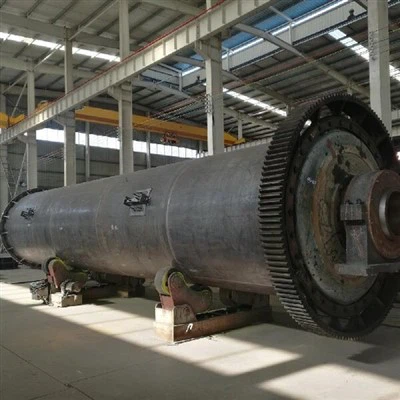
Let's say you're using a kiln for a specific process, like calcining limonite. Limonite Rotary Kiln is designed to handle limonite efficiently. The chemical composition of limonite, which contains iron oxides and other minerals, will determine how the kiln materials around it expand. If the kiln materials aren't compatible with the chemical nature of limonite, it can lead to issues like cracking or uneven expansion.
2. Mineral Structure
The mineral structure of kiln materials also plays a crucial role. Crystalline materials have a more ordered structure, and their expansion is more predictable. For instance, materials with a cubic or hexagonal crystal structure may expand uniformly in all directions. In contrast, materials with a more complex or amorphous structure may expand in a more irregular way.
Take laterite nickel as an example. When using a Laterite Nickel Rotary Kiln, the mineral structure of laterite nickel affects the expansion of the kiln lining. Laterite nickel contains various minerals in different forms, and the kiln materials need to be able to withstand the expansion and contraction caused by the heating and cooling cycles associated with processing this material.
3. Temperature
This one's a no - brainer. Temperature is a major factor in the expansion of kiln materials. As the temperature rises, the atoms and molecules in the material gain more energy and start to vibrate more vigorously. This increased movement causes the material to expand. The relationship between temperature and expansion is usually linear over a certain range, but it can become more complex at very high temperatures.
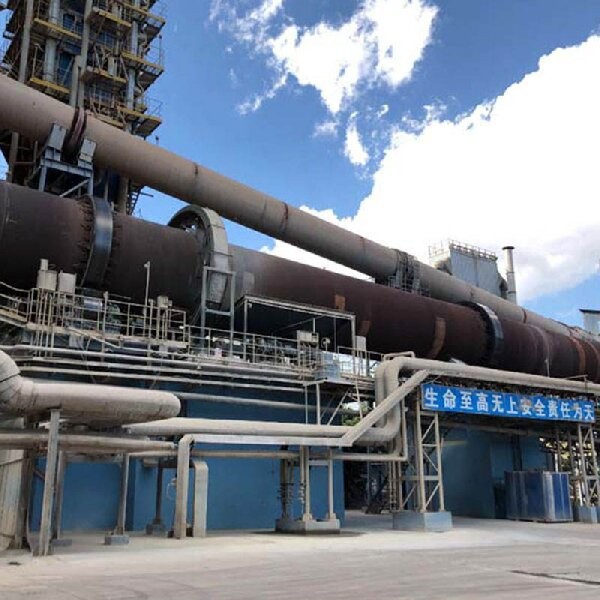

Most kilns operate at extremely high temperatures, and different parts of the kiln may experience different temperature gradients. For example, the inner lining of the kiln is exposed to much higher temperatures than the outer shell. If the kiln materials can't handle these temperature differences and the resulting expansion, it can lead to mechanical stress and failure. In a Molybdenum Iron Rotary Kiln, the high - temperature processing of molybdenum iron requires kiln materials that can expand and contract without cracking under the intense heat.
4. Heating and Cooling Rates
How quickly the kiln is heated and cooled also impacts the expansion rate. Rapid heating can cause the outer layers of the kiln material to expand faster than the inner layers, creating internal stress. This stress can lead to cracking or spalling of the material. Similarly, rapid cooling can cause the material to contract too quickly, again resulting in stress and potential damage.
It's important to follow proper heating and cooling schedules when operating a kiln. For example, when starting up a kiln, it should be heated gradually to allow the materials to expand evenly. When shutting down, a slow cooling process should be implemented to prevent sudden contraction.
5. Porosity
The porosity of kiln materials affects their expansion in several ways. Porous materials have more space within their structure, which can accommodate some of the expansion. However, if the pores are too large or too interconnected, it can also lead to problems. For example, gases can penetrate the pores during the heating process, causing additional expansion or chemical reactions within the material.
On the other hand, low - porosity materials may be more resistant to gas penetration but may have less flexibility to expand. Finding the right balance of porosity is crucial for ensuring the long - term performance of kiln materials.
6. Mechanical Loading
Kiln materials are often subjected to mechanical loading, such as the weight of the kiln itself, the materials being processed, and the vibrations during operation. This mechanical stress can interact with the thermal expansion of the materials. If the mechanical loading is too high, it can cause the kiln materials to deform or crack, especially when combined with the expansion and contraction due to temperature changes.
For example, in a large - scale industrial kiln, the weight of the material being processed can put significant stress on the kiln lining. The kiln materials need to be strong enough to withstand this mechanical load while also expanding and contracting properly with temperature variations.
7. Environmental Factors
The environment in which the kiln operates can also influence the expansion rate of kiln materials. Humidity, for example, can affect the moisture content of the materials. If the kiln materials absorb moisture, it can change their physical properties and potentially their expansion characteristics.
In addition, exposure to corrosive gases or chemicals in the kiln environment can cause chemical reactions on the surface of the materials. These reactions can alter the structure of the materials and lead to changes in their expansion behavior.
Why It Matters
Understanding these factors is crucial for anyone involved in the kiln industry. As a kiln material supplier, I know that choosing the right materials based on these factors can make a huge difference in the performance and lifespan of a kiln. Using the wrong materials can lead to frequent repairs, downtime, and increased costs.
If you're in the market for kiln materials or need advice on how to optimize the performance of your kiln, don't hesitate to reach out. We've got a wide range of high - quality kiln materials that are carefully selected to meet the specific needs of different kiln applications. Whether you're using a Limonite Rotary Kiln, Laterite Nickel Rotary Kiln, or Molybdenum Iron Rotary Kiln, we can help you find the perfect fit.
So, if you're looking to improve the efficiency and reliability of your kiln, get in touch with us for a consultation. We're here to help you make the best choices for your kiln operation.
References
- "Kiln Technology Handbook"
- "Materials Science for High - Temperature Applications"
- Industry research papers on kiln materials and their properties.