


Hey there! As a ball mill material supplier, I've been getting a lot of questions lately about how different ball mill materials impact the noise level during the grinding process. So, I thought I'd sit down and write this blog to share my insights on this topic.
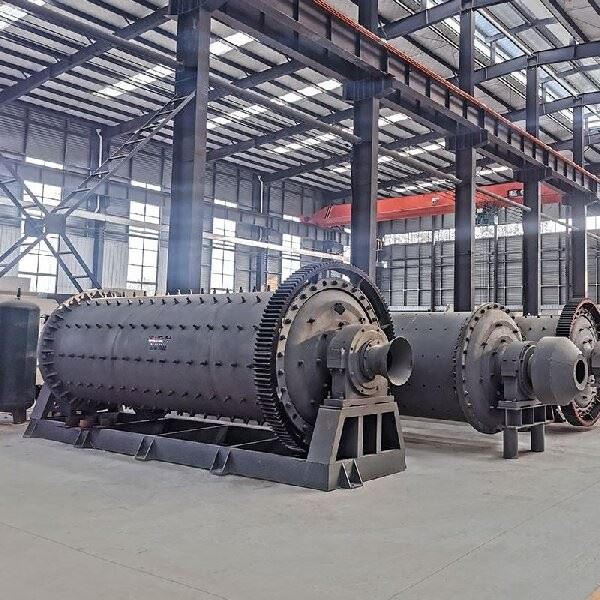
First off, let's understand what a ball mill is. A ball mill is a type of grinder used to grind and blend materials for use in mineral dressing processes, paints, pyrotechnics, ceramics, and selective laser sintering. It works by rotating a cylinder with steel grinding balls, causing the balls to fall back into the cylinder and onto the material to be ground. The rotation can be either clockwise or counterclockwise.
Now, the noise level during the grinding process is a significant concern for many industries. Excessive noise can not only cause discomfort to the workers but also lead to long - term hearing problems. And the material used in the ball mill plays a crucial role in determining the noise level.
1. Hardness of the Material
One of the key factors related to the ball mill material that affects the noise level is its hardness. Harder materials, like Copper Ball Mill materials, tend to produce more noise during grinding. When the grinding balls hit the hard copper material, there's a sharp impact. This impact creates a high - frequency noise that can be quite loud.
On the other hand, softer materials absorb more of the impact energy from the grinding balls. For example, slag, which is used in Slag Ball Mill, is relatively softer compared to copper. When the balls hit the slag, the energy is dissipated more gradually, resulting in a lower noise level.
2. Density of the Material
The density of the ball mill material also has an impact on the noise. Denser materials usually generate more noise. A high - density material like some types of metal alloys used in ball mills means that the grinding balls have to work harder to break them down. The increased force and resistance during the grinding process lead to louder noise.
In contrast, less dense materials such as quartz sand used in Quartz Sand Ball Mill are easier to grind. The grinding balls can move through the quartz sand more freely, and the impact between the balls and the sand is less intense, thus reducing the noise level.
3. Particle Size and Shape
The initial particle size and shape of the ball mill material matter too. If the material has large and irregularly shaped particles, the grinding process will be more chaotic. The grinding balls will have to hit these large particles multiple times from different angles, creating more noise.
For instance, if you're grinding a material with jagged edges, the balls might get caught or bounce off at odd angles, causing sudden, loud impacts. On the other hand, materials with smaller and more uniform particle sizes are easier to grind. The grinding process is more consistent, and the noise level is generally lower.
4. Material's Brittleness
Brittle materials can also have an effect on the noise level. When brittle materials are ground, they tend to break into smaller pieces suddenly. This sudden breakage can create a popping or cracking sound, adding to the overall noise.
For example, some ceramic materials used in ball mills are quite brittle. As the grinding balls hit the ceramic, it shatters into fragments, and each shattering event contributes to the noise. In comparison, more ductile materials deform gradually under the impact of the grinding balls, resulting in a smoother and quieter grinding process.

5. Moisture Content
The moisture content in the ball mill material can't be overlooked. A material with a higher moisture content can act as a lubricant to some extent. The water in the material reduces the friction between the grinding balls and the material, as well as between the balls themselves.
This reduction in friction leads to a decrease in noise. For example, if you're grinding a damp quartz sand in a Quartz Sand Ball Mill, it will be quieter compared to dry quartz sand. Dry materials can cause more friction and abrasion, which in turn generates more noise.
Strategies to Reduce Noise
Now that we've discussed how different ball mill materials impact the noise level, let's talk about some strategies to reduce the noise.
- Choose the Right Material: Based on your noise requirements, you can select a material that produces less noise. If noise is a major concern, consider using softer, less dense, and more uniform materials.
- Add Lubricants or Dampeners: As mentioned earlier, adding moisture to the material can help. You can also use special lubricants that are designed for ball mill operations. These lubricants not only reduce friction but also dampen the noise.
- Soundproofing the Ball Mill: You can install sound - absorbing materials around the ball mill. This can include acoustic panels or blankets that absorb the sound waves and prevent them from spreading.
Conclusion
In conclusion, the ball mill material has a significant impact on the noise level during the grinding process. Factors such as hardness, density, particle size and shape, brittleness, and moisture content all play a role. As a ball mill material supplier, I understand the importance of balancing the grinding efficiency and the noise level.
If you're in the market for ball mill materials and want to know more about how to choose the right ones to minimize noise, or if you have any other questions related to ball mill materials, don't hesitate to reach out. I'm here to help you make the best decision for your operations. Let's work together to find the perfect ball mill material solution for you!
References
- Smith, J. (2018). "Study on the Noise Generation Mechanism in Ball Mills". Journal of Industrial Grinding.
- Johnson, A. (2019). "Influence of Material Properties on Ball Mill Performance". Grinding Technology Review.
- Brown, C. (2020). "Noise Reduction Strategies in Ball Mill Operations". Industrial Noise Control Magazine.




