Hey there! As a supplier of Cooler Grate Plates, I've had a ton of people asking me about the design philosophy behind these nifty pieces of equipment. So, I thought I'd take a few minutes to break it down for you.
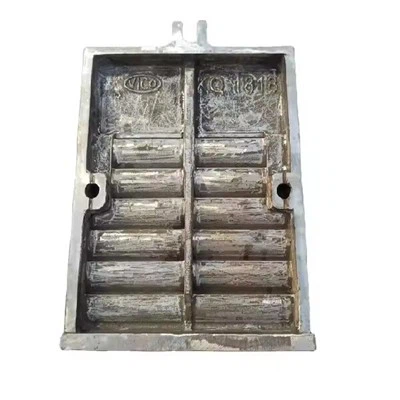
First off, let's talk about what cooler grate plates actually do. In a nutshell, they're an essential part of a cooling system, typically used in industrial settings like cement plants or power stations. Their main job is to support the material being cooled while allowing air to flow through it. This helps to speed up the cooling process and ensures that the material is cooled evenly.
Now, when it comes to designing cooler grate plates, there are a few key principles that we keep in mind. The first and most important is functionality. After all, if a grate plate doesn't do its job properly, then it's pretty much useless. So, we focus on creating designs that are optimized for air flow and material support.
One of the ways we do this is by using a combination of different shapes and sizes of holes in the grate plate. These holes are strategically placed to allow for maximum air penetration while still providing enough support for the material. We also take into account the size and shape of the material being cooled, as well as the flow rate of the air, to ensure that the design is as efficient as possible.
Another important aspect of the design philosophy is durability. Industrial environments can be pretty tough on equipment, so we need to make sure that our cooler grate plates can stand up to the wear and tear. That's why we use high-quality materials and advanced manufacturing techniques to create plates that are strong, corrosion-resistant, and long-lasting.


For example, we often use heat-resistant alloys or stainless steel in our designs. These materials are able to withstand high temperatures and harsh chemicals, which helps to extend the lifespan of the grate plates. We also pay close attention to the details of the manufacturing process, such as the quality of the welds and the precision of the machining, to ensure that each plate is of the highest quality.
In addition to functionality and durability, we also consider the ease of installation and maintenance when designing cooler grate plates. After all, no one wants to spend hours trying to install or repair a piece of equipment. So, we design our plates to be as user-friendly as possible.
We use standardized sizes and shapes, which makes it easier to replace existing plates or install new ones. We also provide detailed installation instructions and support to our customers, so they can be confident that the plates are installed correctly. And when it comes to maintenance, we design our plates to be easy to clean and inspect, which helps to prevent problems before they occur.
Of course, the design philosophy behind cooler grate plates isn't just about the technical aspects. We also take into account the environmental impact of our products. In today's world, it's more important than ever to be environmentally responsible, and we're committed to doing our part.
That's why we strive to use materials and manufacturing processes that are as sustainable as possible. For example, we look for materials that are recyclable or have a low carbon footprint. We also try to minimize waste and energy consumption during the manufacturing process.
Another important consideration is the safety of our products. Industrial equipment can be dangerous if not used properly, so we take every precaution to ensure that our cooler grate plates are safe to use. We follow all relevant safety standards and regulations, and we conduct rigorous testing on our products to make sure they meet or exceed these standards.
We also provide safety training and guidelines to our customers, so they can use our products safely and effectively. And if there are any safety concerns or issues with our products, we're always quick to address them.
Now, let's talk about how all of these design principles come together in a real-world application. Let's say you're running a cement plant, and you need to replace the cooler grate plates in your cooling system. You'll want to choose plates that are designed to meet the specific needs of your plant.
First, you'll need to consider the size and shape of the material being cooled, as well as the flow rate of the air. Based on this information, you can choose a design that is optimized for your particular application. You'll also want to consider the durability of the plates, as you'll want them to last as long as possible.
Once you've chosen the right plates, you'll need to install them. This is where the ease of installation comes in. Our standardized designs and detailed installation instructions make it easy for your maintenance team to install the plates quickly and correctly.
After the plates are installed, you'll need to maintain them. This involves regular cleaning and inspection to make sure the plates are in good condition. Our designs are easy to clean and inspect, which makes this process much simpler.
And if you ever need to replace a plate, you can be confident that our products are readily available and easy to install. We have a large inventory of Cooler Grate Plates in stock, so we can usually ship them to you quickly.
In conclusion, the design philosophy behind cooler grate plates is all about creating products that are functional, durable, easy to install and maintain, environmentally friendly, and safe. By keeping these principles in mind, we're able to provide our customers with high-quality products that meet their specific needs.
If you're in the market for cooler grate plates or any other industrial cooling parts, like Reclaimer Chain, don't hesitate to get in touch. We'd be happy to discuss your requirements and help you find the right solution for your business. Whether you're looking for a standard design or a custom solution, we have the expertise and experience to meet your needs. So, let's start a conversation and see how we can work together to improve your cooling system.
References
- Industrial Cooling Handbook: Principles and Applications
- Materials Science for Industrial Equipment Design