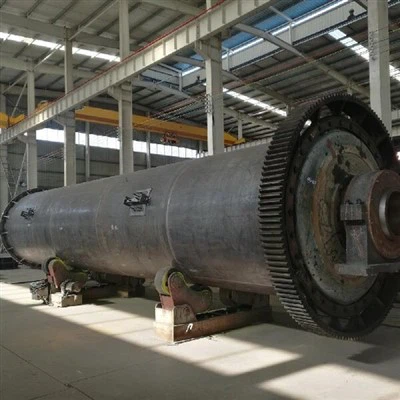
Hey there! As a supplier of Gypsum Rotary Kilns, I've seen my fair share of issues that can pop up with these machines. In this blog, I'm gonna share some troubleshooting methods for a gypsum rotary kiln.
1. Temperature - related Problems
One of the most common issues we encounter is problems with temperature control. If the temperature inside the kiln is too high, it can lead to over - calcination of the gypsum. This not only affects the quality of the final product but can also cause damage to the kiln lining.
Symptoms: You might notice that the gypsum coming out of the kiln is overly dry and brittle. The color of the gypsum may also change, becoming darker than normal.
Causes: There could be several reasons for high temperatures. It might be due to an excessive fuel supply. Maybe the burner is not adjusted properly, or there's an issue with the air - fuel ratio. Another cause could be a blockage in the exhaust system, which prevents the hot gases from escaping efficiently.
Solutions:


- First, check the fuel supply. Make sure the fuel flow rate is set correctly according to the kiln's specifications. You can adjust the burner settings to optimize the air - fuel mixture.
- Inspect the exhaust system for any blockages. Clean the ducts and check the chimney for any debris or buildup. Sometimes, a simple cleaning can solve the temperature problem.
On the other hand, if the temperature is too low, the gypsum won't be calcined properly.
Symptoms: The gypsum will be damp and won't have the right consistency. It might not meet the required quality standards.
Causes: A low fuel supply, a malfunctioning burner, or poor insulation can be the culprits. Cold air leaks into the kiln can also lower the temperature.
Solutions:
- Increase the fuel supply gradually, while monitoring the temperature closely. Check the burner for any malfunctions and repair or replace it if necessary.
- Inspect the kiln's insulation. Look for any gaps or damaged areas and repair them to prevent heat loss. Seal any air leaks around the doors and joints of the kiln.
2. Kiln Rotation Problems
A smooth rotation of the gypsum rotary kiln is crucial for the uniform calcination of the gypsum.
Symptoms: You might hear unusual noises coming from the kiln, such as grinding or rattling sounds. The kiln may also rotate unevenly or stop rotating altogether.
Causes:
- Worn - out bearings are a common cause. Over time, the bearings can get damaged due to high loads and continuous use.
- Misalignment of the kiln can also lead to rotation problems. This can happen during installation or due to foundation settlement.
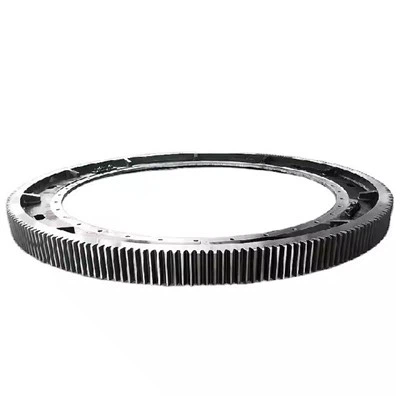
- There could be a problem with the drive system, such as a damaged gearbox or a broken chain.
Solutions:
- Check the bearings regularly. Lubricate them as per the manufacturer's recommendations. If the bearings are severely worn, replace them immediately.
- To correct misalignment, you may need to adjust the kiln's foundation or use shims to realign the kiln. It's a good idea to consult a professional for this task.
- Inspect the drive system. Check the gearbox for any leaks or damaged gears. Replace any broken chains or belts.
3. Product Quality Issues
The quality of the gypsum product is of utmost importance. Any deviation from the desired quality can lead to customer dissatisfaction.
Symptoms: The gypsum may have inconsistent moisture content, particle size, or chemical composition.
Causes:
- Inadequate mixing of the raw materials can result in inconsistent product quality. If the gypsum and other additives are not mixed evenly, the final product will have variations.
- Temperature fluctuations, as mentioned earlier, can also affect the chemical composition of the gypsum.
- The feed rate of the raw materials can play a role. If the feed rate is too high or too low, it can impact the calcination process and the quality of the product.
Solutions:
- Improve the mixing process. You can use better mixing equipment or adjust the mixing time to ensure a more homogeneous mixture.
- Maintain stable temperature conditions inside the kiln by following the temperature - troubleshooting methods mentioned above.
- Optimize the feed rate. Find the right balance based on the kiln's capacity and the desired product quality.
4. Dust and Emission Problems
Dust and emissions from the gypsum rotary kiln can be a major environmental concern and can also affect the health of the workers.
Symptoms: You'll notice a significant amount of dust in the air around the kiln. The emissions may also have a strong odor or contain harmful pollutants.
Causes:
- A poorly designed or malfunctioning dust collection system is often the cause. If the dust collectors are not working efficiently, dust will escape into the environment.
- Leaks in the kiln or the exhaust system can also allow dust and emissions to leak out.
Solutions:
- Upgrade or repair the dust collection system. Make sure the filters are clean and in good condition. You may need to replace the filters regularly.
- Seal any leaks in the kiln and the exhaust system. Use high - quality gaskets and sealants to prevent the escape of dust and emissions.
Other Rotary Kiln Options
If you're interested in other types of rotary kilns, we also offer Petroleum Coke Rotary Kiln, Zinc Oxide Rotary Kiln, and Sludge Incineration Kiln. These kilns are designed for specific applications and come with their own unique features and benefits.
If you're facing any issues with your gypsum rotary kiln or are interested in purchasing a new one, don't hesitate to reach out. We're here to help you with all your rotary kiln needs. Whether it's troubleshooting, maintenance, or a new purchase, we've got you covered.
References
- "Rotary Kiln Handbook" - A comprehensive guide on the operation and maintenance of rotary kilns.
- Industry research papers on gypsum calcination and rotary kiln technology.
So, that's all about the troubleshooting methods for a gypsum rotary kiln. I hope this blog has been helpful to you. If you have any questions or need further assistance, feel free to contact us for more information and to start a procurement discussion.