
Product Description

Air-Entraining Portland Cement
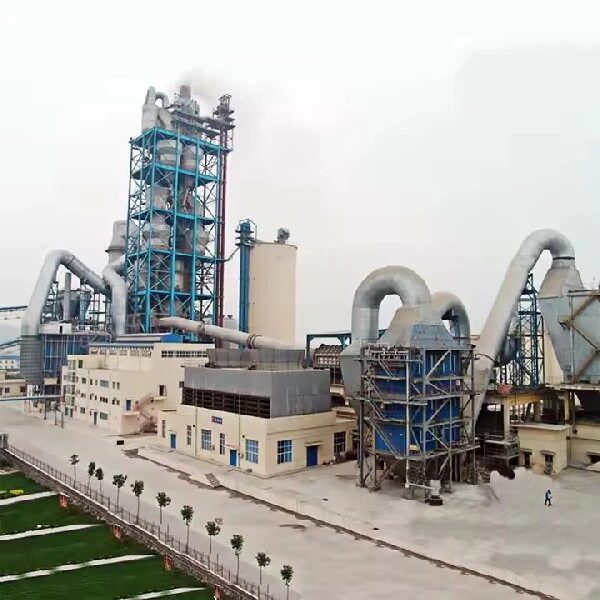
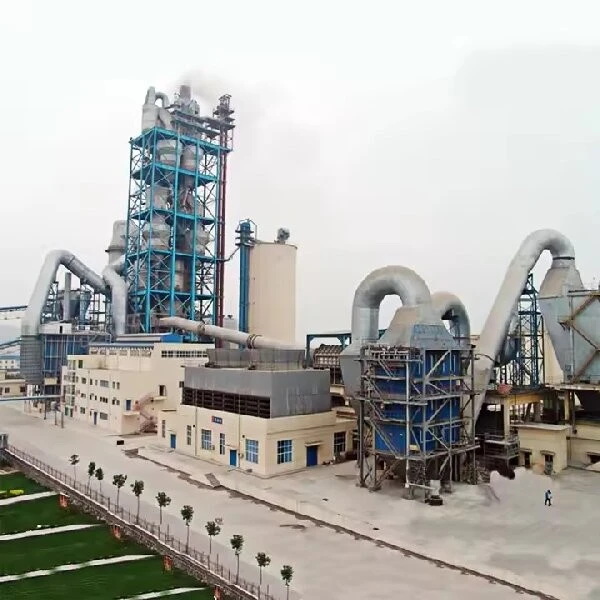
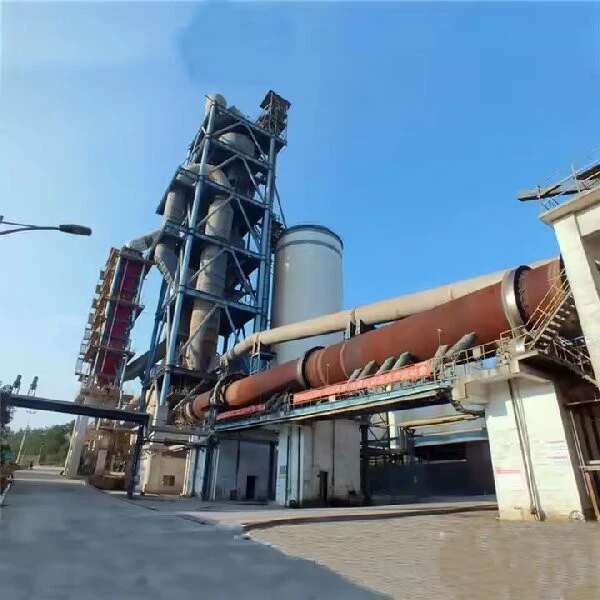
AGICO Air Entraining Portland Cement Production Line integrates dry-process clinker production, finish grinding and separate storage for air-entraining grades. Clinker kiln options span 300–10,000 t/d. Air-entraining Portland cement contains an addition that helps form small, dispersed air bubbles when concrete is mixed. These bubbles provide space for water to expand during freezing. AGICO coordinates the kiln, grinding and dispatch equipment around the intended cement grades and output.
Working Process
Follow the four stages below, from raw meal preparation to finish grinding with metered air-entraining addition and dispatch from dedicated storage.
01
Raw Meal Preparation
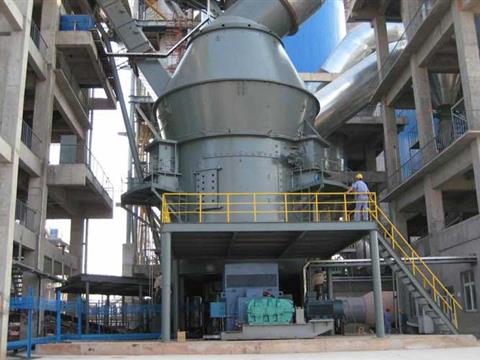
Crush and blend limestone with corrective materials. A vertical raw mill dries and grinds the blend. Homogenized meal is fed from a silo to the cyclone preheater and precalciner.
02
Clinker Burning and Cooling
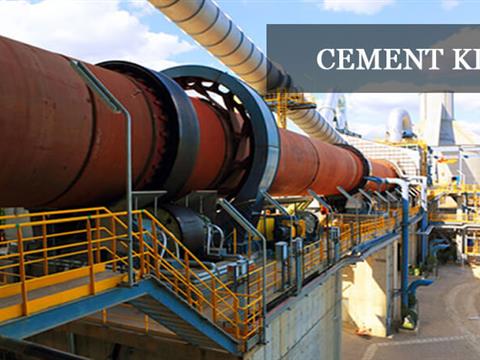
The clinker rotary kiln burns the calcined feed. The grate cooler cools the clinker and returns hot combustion air. A conveyor carries clinker to storage.
03
Finish Grinding
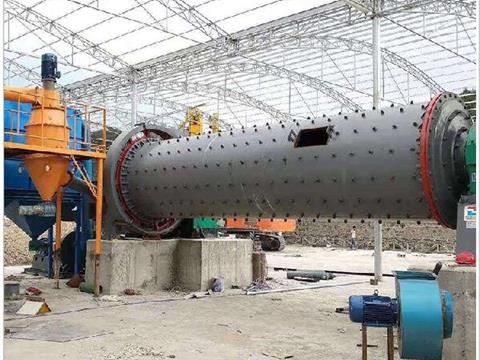
A ball mill grinds clinker and gypsum with a metered air-entraining addition. A separator returns coarse material to the mill. Finished cement is sampled and conveyed to its designated silo.
04
Storage and Dispatch
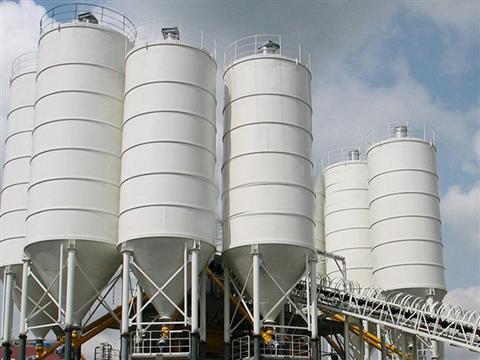
The cement packing machine bags cement, with bulk loading available through a separate outlet.
Product Advantages
Additive Feed Linked to Grinding
AGICO's finish-grinding layout pairs the additive feeder with the mill feed so the addition can be metered as throughput changes.
Separate Storage for Cement Grades
AGICO's silo and transfer layout can route air-entraining cement to dedicated storage before bulk loading or bagging.
Sampling at the Product Stream
The AGICO plant layout can include a finished-cement sampling point so operators can check the grade before dispatch.
Integration With Existing Equipment
AGICO can assess an existing mill, transfer route and silo capacity when the project calls for a finish-grinding upgrade.
Product Applications
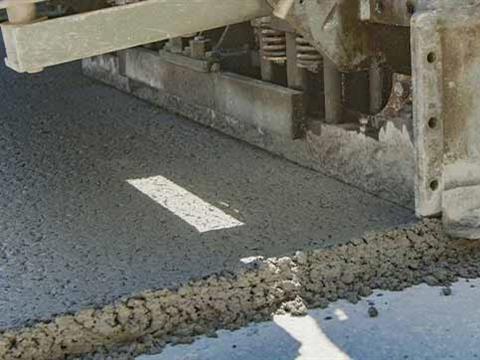
Concrete Highway Pavements
Air-entraining Portland cement can be specified for concrete paving exposed to wet winters and repeated freezing. Verify air content in the paving mix.

Airport Aprons and Taxiways
Air-entraining cement can be used in exterior airfield concrete designed for freeze-thaw exposure. Check the mix against the airfield specification.
Hot Tags: air entraining portland cement production line, China air entraining portland cement production line manufacturers, factory
Technical Parameters
| Kiln diameter × length (m) |
Clinker output (t/d) |
Kiln slope (%) |
Thrust roller |
Support count |
Drive power (kW) |
Speed (rpm) |
|---|---|---|---|---|---|---|
| Ø2.8/2.5 × 44 | 300 | 3.5 | Mechanical | 3 | 55 | 0.445–2.22 |
| Ø3.2 × 50 | 1,000 | 3.5 | Hydraulic | 3 | 160 | 0.36–3.57 |
| Ø3.5 × 54 | 1,500–1,800 | 4 | Hydraulic | 3 | 220 | 0.39–3.9 |
| Ø4 × 60 | 2,500 | 4 | Hydraulic | 3 | 315 | 0.41–4.07 |
| Ø4.8 × 74 | 5,000 | 4 | Hydraulic | 3 | 630 | 0.35–4 |
| Ø6.0 × 95 | 10,000 | 4 | Hydraulic | 3 | 2 × 950 | Up to 5 |
AGICO sizes the line around your raw materials, clinker and cement output, finish-grinding requirements, storage plan and site conditions. Contact our engineering team to discuss your project.
FAQ
What should I send for a plant proposal?
Send AGICO your target cement grades, clinker and cement outputs, raw material and fuel analyses, and a site plan showing any equipment you intend to retain.
Can one plant dispatch both air-entraining and standard grades?
AGICO can review designated storage and transfer routes, including how shared handling equipment will be cleared between grades.
How is the finished grade checked?
Share your cement standard and test requirements with AGICO. Assess mortar air content under the applicable cement test, then check fresh concrete air content in the intended mix.
What guides the choice of an additive feeder?
Give AGICO the additive form, supplier data and expected mill throughput range. These inputs inform feeder sizing and the control interface.