


Product Description
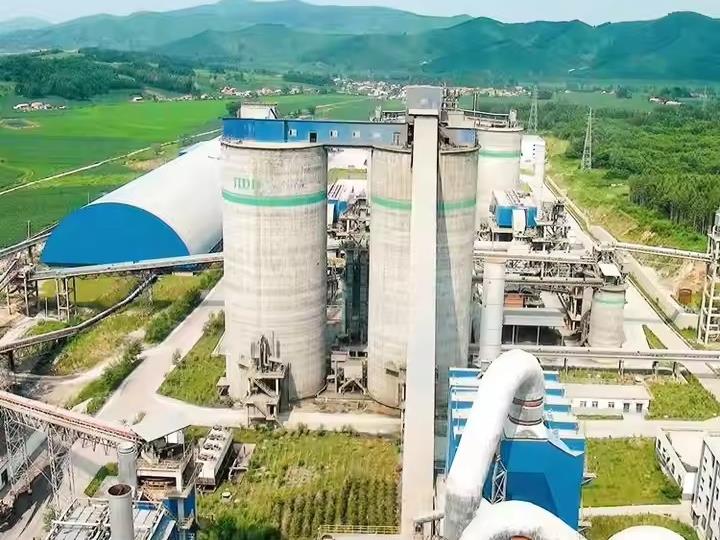
From Limestone to Finished Cement
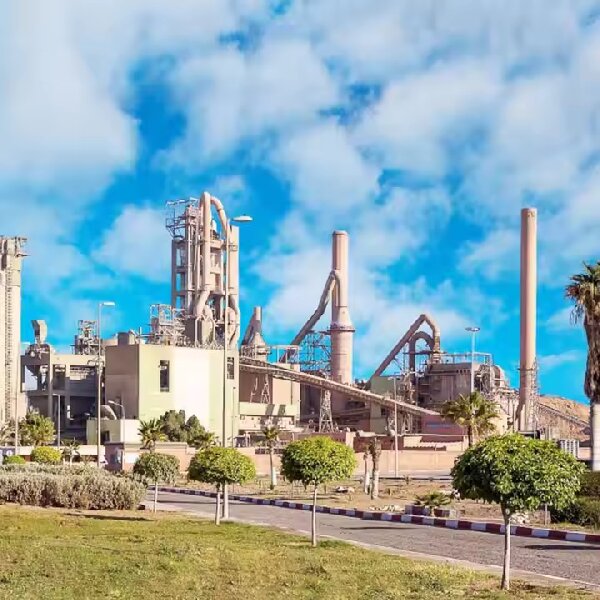
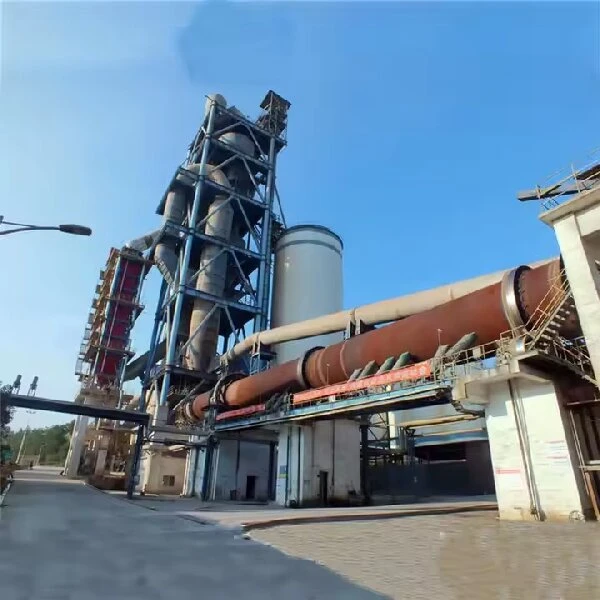
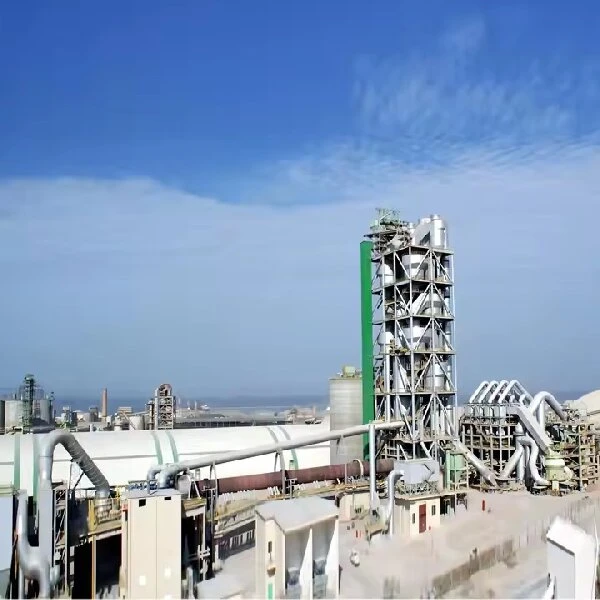
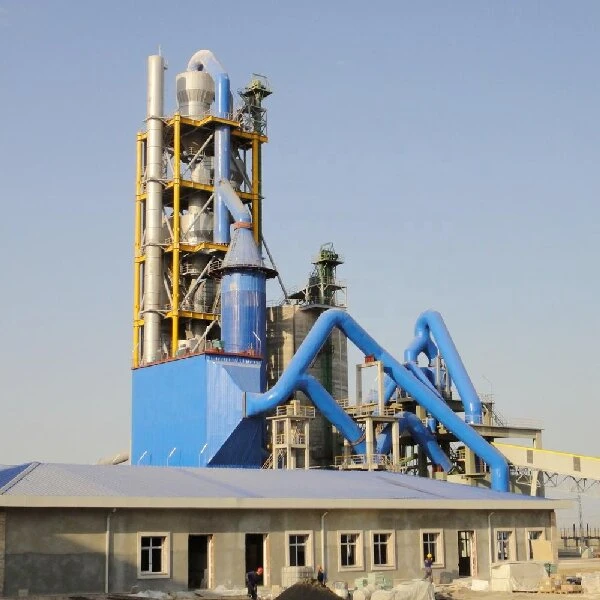
A plant making hydrophobic Portland cement has to control both clinker quality and the treatment applied during finish grinding. AGICO designs the dry line around those two jobs. Limestone and corrective materials are prepared as raw meal, burned into clinker and cooled. At the cement mill, the selected water-repellent additive is fed at a measured rate alongside clinker and gypsum. From there, separate silo and loading routes can help protect the grade through dispatch.
Product Advantages
Design Priorities Across the Plant
Raw Meal for Consistent Clinker
Protect the Additive Feed
Keep Cement Grades Traceable
Plan for Humid Supply Routes
Working Process
Inside the Dry Process Line
Prepare the Raw Meal
Preheat and Burn the Feed
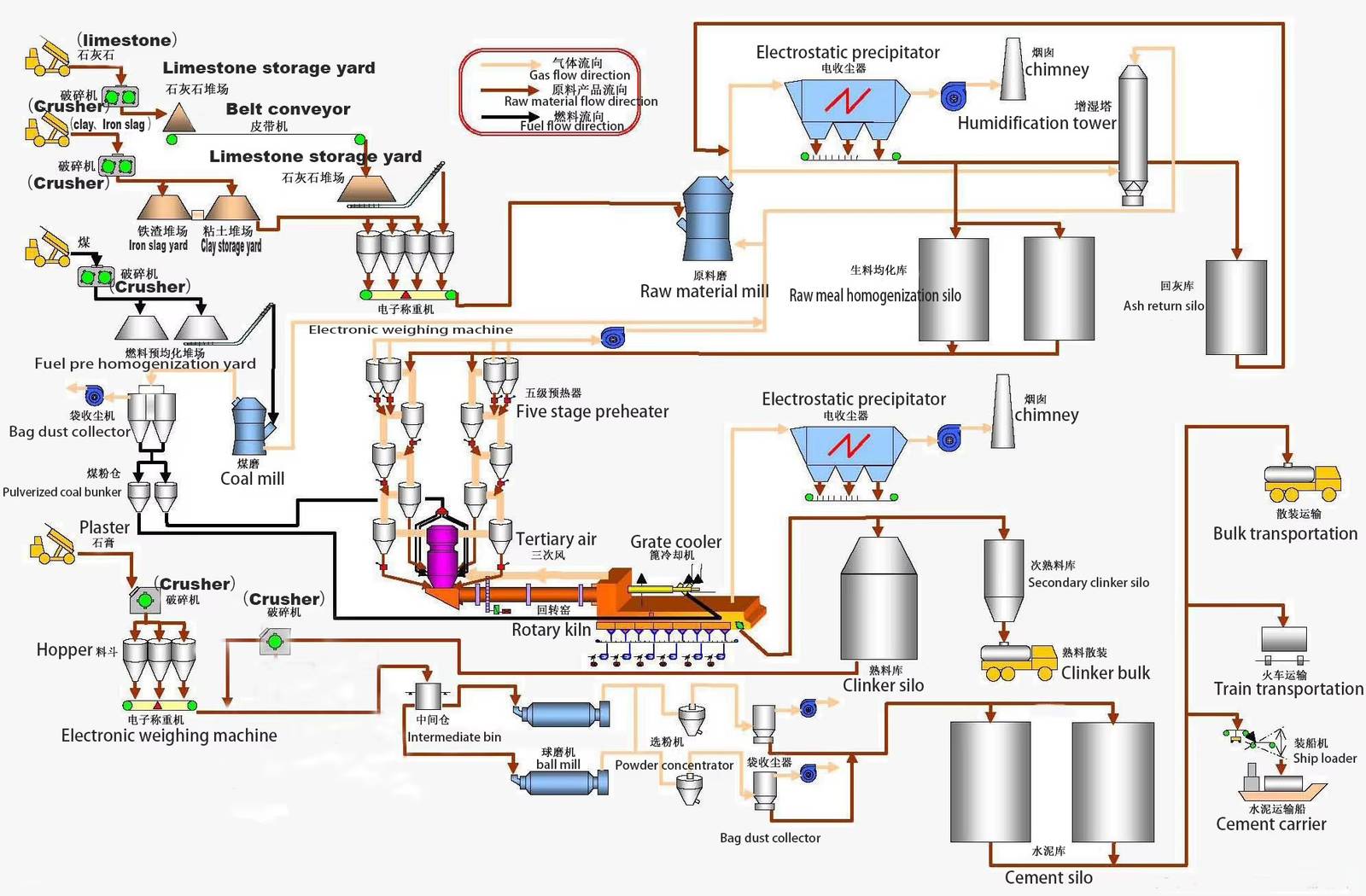
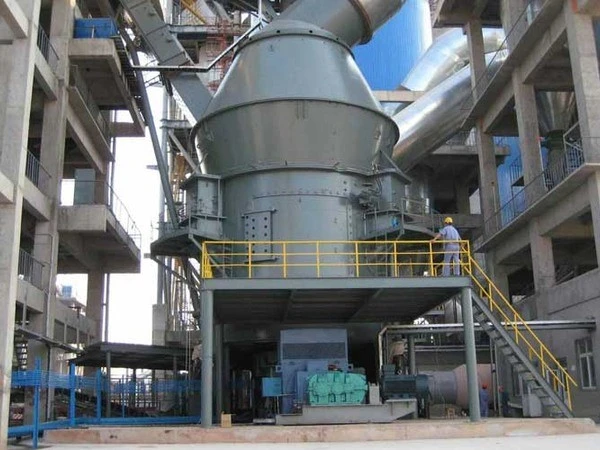
Grind and Classify the Cement
Store and Dispatch the Grade
Product Applications
Cement and Plant Applications
Where the Cement Is Used
Where the Line Fits
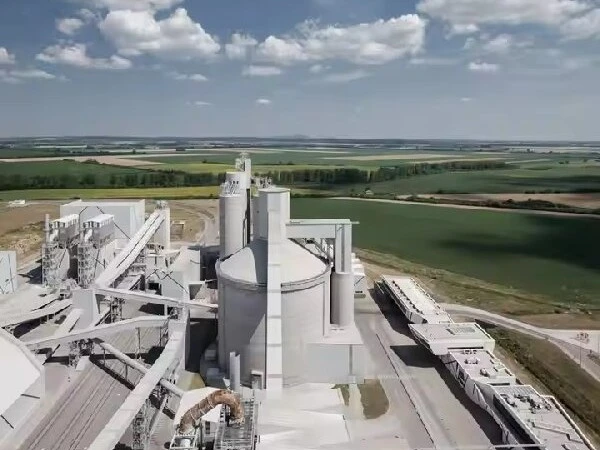
Inputs for Integrated Plant Design
Send AGICO the information needed to size the plant from raw feed to dispatch.
Raw material and fuel analyses, site elevation and layout.
Daily clinker target, cement grades and net operating hours.
Peak bag and bulk loads, silo segregation and additive data.
Hot Tags: hydrophobic portland cement production line, China hydrophobic portland cement production line manufacturers, factory
Technical Parameters
Equipment and Engineering Scope
| Process stage |
Equipment and systems |
Capacity range or process design basis |
Engineering and supply |
| Raw meal | Crusher, raw mill, blending silo | Feed size and moisture | Testing and sizing |
| Clinker | Preheater, calciner, kiln, cooler | 1,000–8,000 t/d clinker¹ | Thermal design |
| Finish grinding | Cement mill, separator, dosing skid | 55–250 t/h per VRM² | Recipe and dosing setup |
| Dispatch | Silos, packer, bulk loader | Silo stock; load rate | Layout and integration |
| Project delivery | Integrated dry-process line | Grade and output | Design, supply, startup |
¹ Cement rotary kiln series. ² Standard cement vertical roller mill ratings. AGICO sizes the line around the cement recipe, raw materials, target clinker and cement output, operating schedule and site conditions. Contact our team to discuss your equipment and engineering scope.
FAQ
How does AGICO select the additive feed point?
AGICO reviews the additive supplier data, intended dose and mill layout. The feed point is planned around the form of the additive and the need to verify delivery during grinding.
How can a plant verify a change of grade?
AGICO can plan sampling points downstream of grinding and at dispatch. Agree the sampling plan and acceptance criteria before sizing the storage and transfer routes.
What should a bagged cement project tell AGICO?
Share the expected time from packing to delivery, humidity during storage and the bagged sales volume. Include the cement grade and test requirements for your market.
Can this grade share equipment with ordinary cement?
AGICO reviews the mill schedule, transfer equipment and silo space. These details help identify where dedicated routing is useful and where the plant can share equipment.


