

In today's cement industry, efficiency, durability, and precision are more important than ever-and that's exactly where the cement ball mill proves its value. As a key piece of grinding equipment in cement production lines, the ball mill plays a vital role in turning raw materials like clinker, gypsum, and additives into fine cement powder ready for use in construction.
Engineered for both performance and reliability, the ball mill is built with a heavy-duty structure that can withstand continuous operation in demanding industrial environments. Its design focuses on maximizing grinding efficiency while keeping energy consumption under control-an important factor for plants aiming to reduce operational costs and environmental impact.

Outstanding Structure And Design Advantages
One of the standout features of the cement ball mill is its versatility. Whether the production process requires dry grinding or wet grinding, the machine adapts easily to different working conditions and production goals. This flexibility makes it suitable for a wide range of applications, from small-scale cement operations to large international infrastructure projects.
Optimized Feeding System
Equipped with an angled inlet and adjustable louver structure to ensure smooth material entry and effective air regulation.
Efficient Discharging Design
Uses a curved outlet pipe to facilitate steady discharge and reduce the risk of material blockage.
Key Components Include
● Feeding device – ensures controlled and uniform material input
● Main bearing – supports stable rotation of the drum
● Rotating part (drum) – core section where grinding takes place
● Driving system – transmits power to the mill for continuous operation
● Feeding & discharging system – manages material flow in and out of the mill
● High-pressure starting unit – assists in safe startup under load
● Lubrication system – ensures smooth operation and extends component lifespan
Integrated System Design
All components work together for stable performance, efficient grinding, and long-term durability in demanding industrial environments.
Working principle of ball mill machine
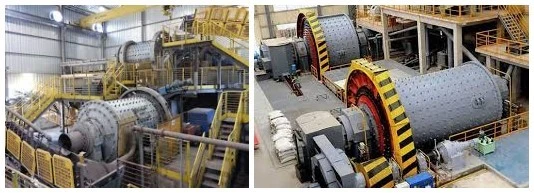
In addition to its technical advantages, the cement ball mill contributes to the overall consistency and quality of the final product. Uniform grinding leads to better blending of materials, which is essential for producing cement that meets strict performance standards.
The ball mill is a key machine for grinding limestone into fine powder, widely used in cement, construction, and industrial applications. Here's a brief look at how it works:
1. Crushing & Screening
Limestone is first crushed and screened to remove impurities and sort the material by size. This improves grinding efficiency and protects the equipment.
2. Grinding
The cleaned limestone is fed into the ball mill, where rotating steel balls grind it through impact and friction. This is the core stage that reduces the material to powder form.
3. Final Refining
The ball mill continues to refine the powder until the required fineness is reached, ensuring consistent quality and smooth texture.
AGICO Cement--A Reliable Ball Mill Machines Manufacturer
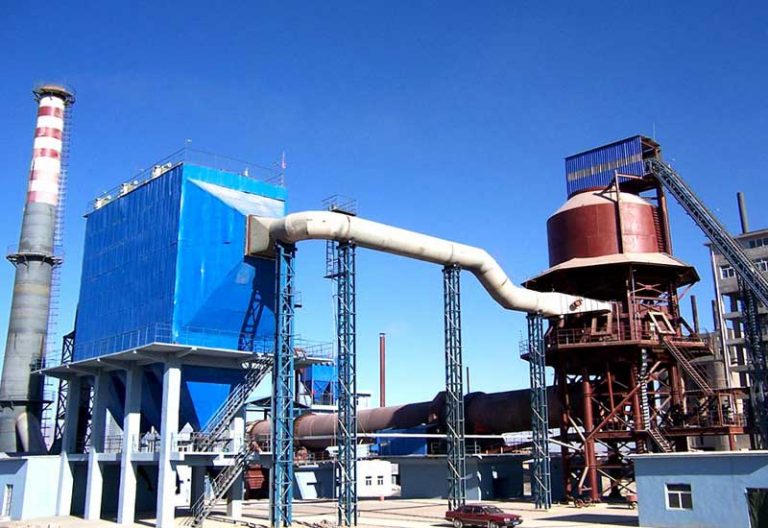
AGICO Cement is a trusted manufacturer of complete cement production lines and a professional EPC (Engineering, Procurement, and Construction) project provider. We offer a full range of equipment for dry-process cement plants, including crushers, ball mills, rotary kilns, clinker coolers, dryers, roller presses, and preheaters-everything you need for a smooth, efficient cement manufacturing operation.
Whether you're planning a new plant or upgrading your current setup, we provide tailored solutions to match your production goals.
If you're looking for high-quality cement equipment or a turnkey plant solution, feel free to reach out to us. We're here to help bring your project from concept to completion.


