


Hey there! As a supplier of gypsum rotary kilns, I'm super excited to take you on a journey into how these amazing machines operate. So, let's dive right in!
What is a Gypsum Rotary Kiln?
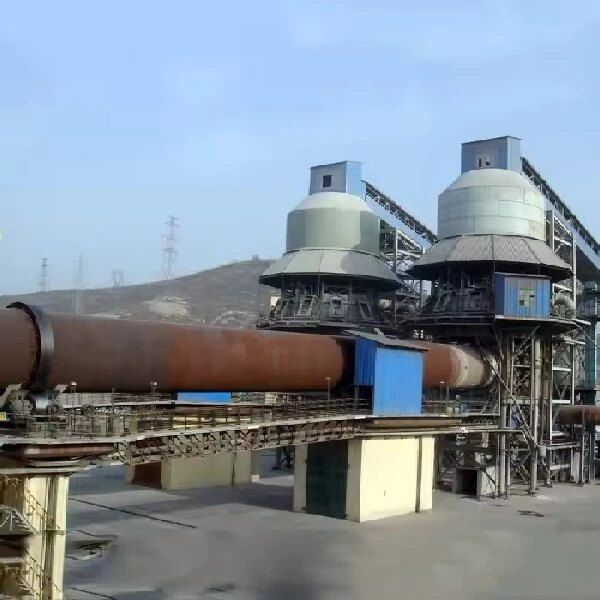
First off, a gypsum rotary kiln is a crucial piece of equipment in the gypsum processing industry. It's a large, rotating cylinder that's tilted slightly from the horizontal. This design allows materials to move through the kiln in a continuous process, which is key for efficient production.
The Basics of Operation
The operation of a gypsum rotary kiln can be broken down into a few main steps: feeding, heating, and discharging.
Feeding
The process starts with the feeding stage. Gypsum raw materials are loaded into the higher end of the kiln. This is usually done using a conveyor belt or a screw feeder. The goal here is to ensure a steady and even supply of gypsum into the kiln. If the feeding is uneven, it can lead to inconsistent heating and lower quality end products.

Heating
Once the gypsum is inside the kiln, the real action begins - heating. The kiln is heated using a burner system, which can use various fuels like coal, gas, or oil. The heat is transferred to the gypsum as the kiln rotates. The rotation is really important because it helps to mix the gypsum, ensuring that every part of it gets heated evenly.
As the gypsum moves through the kiln, it goes through different temperature zones. At first, the moisture in the gypsum is removed in the drying zone. Then, as it moves further, the gypsum undergoes a chemical transformation in the calcination zone. In this zone, the gypsum loses some of its water content and turns into a different form, which is the desired product.
Discharging
After the gypsum has been properly heated and processed, it reaches the lower end of the kiln. Here, it's discharged out of the kiln. The discharged gypsum is then usually cooled down and can be further processed or used directly in various applications, like in the construction industry for making plasterboards.
The Role of Rotation
The rotation of the gypsum rotary kiln is not just for show. It plays a vital role in the whole operation. As I mentioned earlier, it helps to mix the gypsum, but it also moves the gypsum from the higher end to the lower end of the kiln. The speed of rotation can be adjusted depending on the type of gypsum and the desired production rate. A faster rotation might be used for a quicker processing time, but it needs to be balanced to ensure proper heating and mixing.
Control Systems
Modern gypsum rotary kilns are equipped with advanced control systems. These systems monitor and control various parameters like temperature, rotation speed, and feeding rate. For example, if the temperature in the kiln gets too high, the control system can adjust the fuel supply to the burner to bring it back to the right level. This helps to ensure a stable and efficient operation, as well as high-quality end products.
Comparison with Other Rotary Kilns
There are different types of rotary kilns out there, and it's interesting to compare the gypsum rotary kiln with some of them. For instance, the Professional Cement Rotary Kiln is used for cement production. While the basic principle of operation is similar - a rotating cylinder for heating materials - the materials and the chemical processes involved are quite different. Cement production requires much higher temperatures and different chemical reactions compared to gypsum processing.
Another type is the Activated Carbon Rotary Kiln. This kiln is used to produce activated carbon, which has a completely different application. The heating process and the requirements for the material movement in the kiln are also tailored to the production of activated carbon.
And then there's the Limestone Rotary Kiln. Limestone is used in many industries, including the production of cement and lime. Similar to the gypsum rotary kiln, it uses heat to transform the limestone, but again, the specific conditions and processes are different.
Maintenance and Safety
Just like any other industrial equipment, a gypsum rotary kiln needs regular maintenance. This includes checking the kiln's lining for wear and tear, inspecting the burner system, and ensuring that all the moving parts are in good condition. Regular maintenance not only helps to keep the kiln running smoothly but also extends its lifespan.
Safety is also a top priority. Workers need to be trained on how to operate the kiln safely. This includes following proper procedures for starting and stopping the kiln, wearing appropriate protective gear, and being aware of the potential hazards, such as high temperatures and the use of fuels.
Why Choose Our Gypsum Rotary Kilns?
As a supplier, we take pride in offering high-quality gypsum rotary kilns. Our kilns are designed with the latest technology to ensure efficient and reliable operation. We use high-quality materials in the construction of the kilns, which means they can withstand the harsh conditions of the gypsum processing industry.
We also provide excellent after-sales service. Our team of experts is always ready to help with any questions or issues you might have. Whether it's installation, maintenance, or troubleshooting, we've got you covered.
Conclusion
So, there you have it - a detailed look at how a gypsum rotary kiln operates. It's a fascinating piece of equipment that plays a crucial role in the gypsum processing industry. If you're in the market for a gypsum rotary kiln, or if you have any questions about our products, don't hesitate to get in touch. We're here to help you find the right solution for your needs.
References
- "Industrial Rotary Kilns: Thermal Design and Operation" by Peter Barnes
- "Gypsum: An Introduction to its Geology, Uses, and Resources" by R. A. Howie




