Understanding Stone Crusher Machines
The stone crushing plant consists of major components such as a vibrating feeder, jaw crusher, impact crusher, vibrating screen, belt conveyor, and a centralized control system. Its output normally ranges from 30 to 350 tons per hour. Large stones are initially fed into the jaw crusher for primary crushing during the production process. The belt conveyor then delivers the crushed material to the impact crusher for additional crushing. The content is then filtered into three distinct sizes. Until the required output is obtained, oversized stones are returned to the impact crusher for additional crushing, forming a closed-loop cycle.
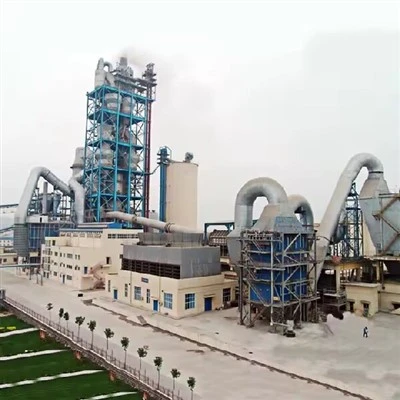
Industry Application in Cement Production
Cement raw materials can be crushed using various methods, including pressing, shearing, rolling, and impact. Depending on the working principle, cement crushers can be categorized into jaw crushers, hammer crushers, cone crushers, impact crushers, and roller crushers. Jaw and cone crushers rely on the pressing principle, while hammer and impact crushers work through impact. Roller crushers combine both shearing and pressing functions.

In cement manufacturing, crushers perform critical functions:
Limestone Preparation: Primary crushing of quarried limestone.
Raw Material Processing: Crushing additives like clay, sand, and iron ore.
Clinker Production: Preparing the correct particle size for kiln feeding.
Alternative Fuel Processing: Crushing waste materials used as kiln fuel.
Cost of Stone Crusher Machine
- type of stone crusher


Large boulders can be broken up into smaller pieces, gravel, or rock dust using mechanical equipment called stone crushers. These devices are essential to the manufacture of aggregate, which is the basis for the manufacturing of cement and building projects.
Jaw Crushers: Primary crushing equipment with a fixed and moving jaw plate; Cone Crushers: Secondary crushers that provide finer crushing; Impact Crushers: Versatile machines for medium to hard stones; Hammer Crushers: For brittle and soft materials
- price of stone crusher
| Model | Suitable Material | Output Size | Price Range (USD) | Power Cost per Ton |
|---|---|---|---|---|
| Jaw Crusher | High-hardness limestone | 80-150mm | 21,000 - 70,000 | 0.11-0.17 USD |
| Impact Crusher | Medium-hard materials | 20-50mm | 56,000 - 168,000 | 0.14-0.21 USD |
| Cone Crusher | Clay-rich materials | ≤30mm | 84,000 - 280,000 | 0.17-0.25 USD |
| Hammer Crusher | Sticky/wet materials | ≤25mm | 42,000 - 112,000 | 0.13-0.18 USD |
Note: All specifications and cost indicators are approximate. For accurate pricing, please consult authorized suppliers with detailed project parameters including: production capacity, material characteristics, motor power requirements, and optional accessories.
Key factors affecting the price of crushers:
| Production Capacity | Higher capacity translates into higher costs. |
| Automation Level | Automated systems increase costs but improve efficiency |
| Material Quality | Components made of manganese or high-chrome steel are more expensive. |
| Energy Efficiency | ECO-friendly devices are more expensive. |
| After-sales Service | The overall cost is impacted by comprehensive service packages. |
| Customization Requirements | Special designs increase manufacturing costs |
Reduce the Cost of the Crusher
Before buying equipment, it is advised to test the raw materials' properties, including important markers like moisture content and compressive strength. The "real demand capacity ×1.2" coefficient concept, which guarantees production capacity and prevents resource waste, should be adhered to while choosing the type. Equipment with variable frequency speed regulation systems, which can save 18% to 25% on energy costs, should be given priority.
Energy expenses can be lowered by 15% by implementing time-of-use energy price generation techniques and making sensible use of off-peak electricity pricing periods. Ineffective crushing operations can be efficiently reduced by 30% by using a pre-screening system. Three times the service life of conventional products can be achieved by implementing the new kind of composite wear-resistant parts.
Setting up an online equipment status monitoring system is advised. Technical methods like vibration analysis can avert over 60% of unexpected breakdowns. Create a system for preventative maintenance and work with the sensible inventory control of essential spare parts. Repairing worn parts can be done for 40% to 50% less than buying new ones by using remanufacturing technologies like laser cladding.
Buying a crusher is a significant investment that needs careful thought for businesses that manufacture cement and building materials. We have discovered that the initial investment for various equipment models can fluctuate significantly during the actual buying process. The secret is to match the best model according to the enterprise's own requirements for production capacity, process requirements, and raw material characteristics. We often recommend that clients perform a five to ten year life cycle cost analysis when choosing equipment, accounting for variables like production capacity, maintenance, and power use. The most cost-effective investment choice can only be made in this manner. Rewritten by actual persons as original content.