

Product Description
Specify the Kiln Around Its Connections
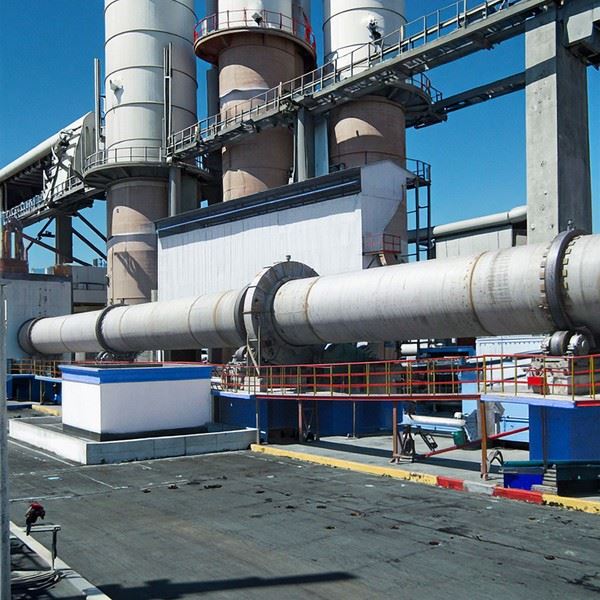
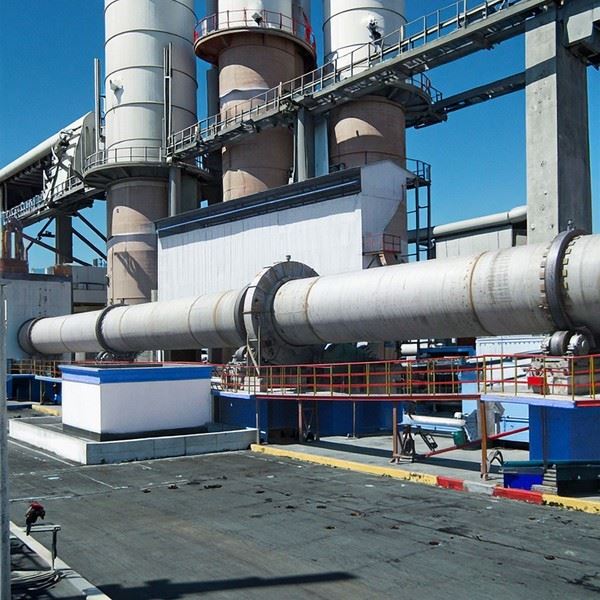
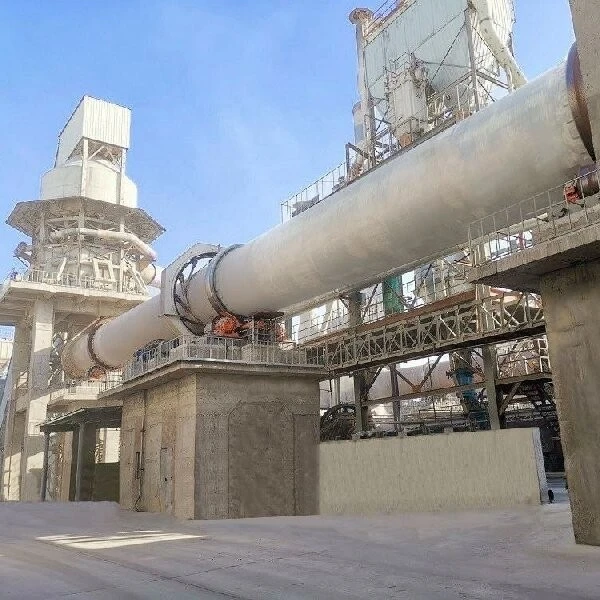
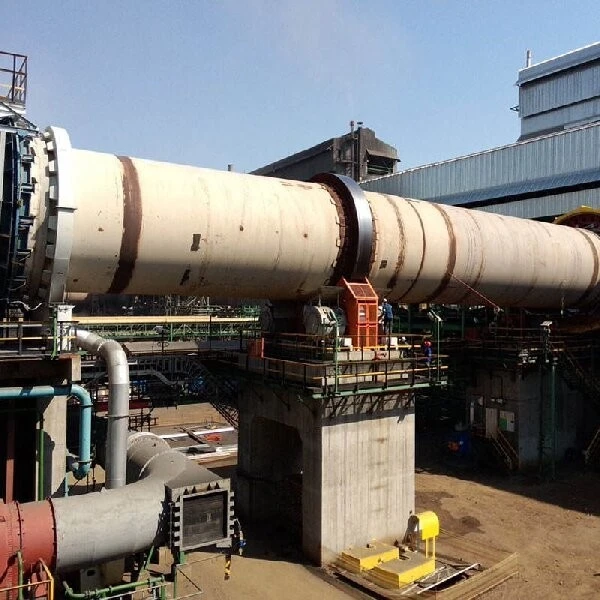
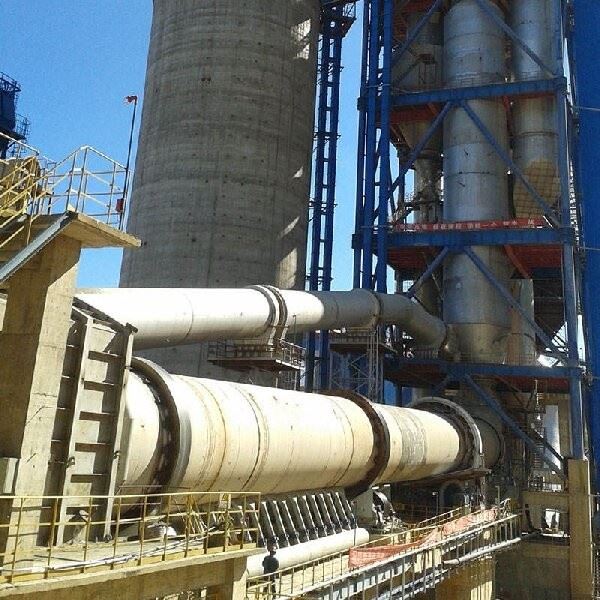
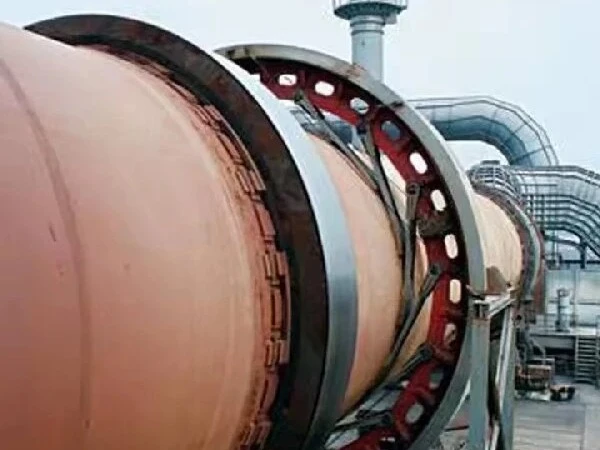
AGICO rotary cement kilns turn prepared raw meal into clinker for cement manufacture. The rotating, refractory-lined shell forms the hot section between the feed system and clinker cooler. Its drive, supports and seals must work together throughout the operating cycle.
For a new installation, the starting point is the clinker production target and process layout. For replacement equipment, existing support positions, connection dimensions and access for installation are equally important.
AGICO supplies kiln equipment and related spare parts, helping buyers consider both the initial equipment scope and future replacement requirements.
Product Advantages
Adjustable Rotation for Material Travel
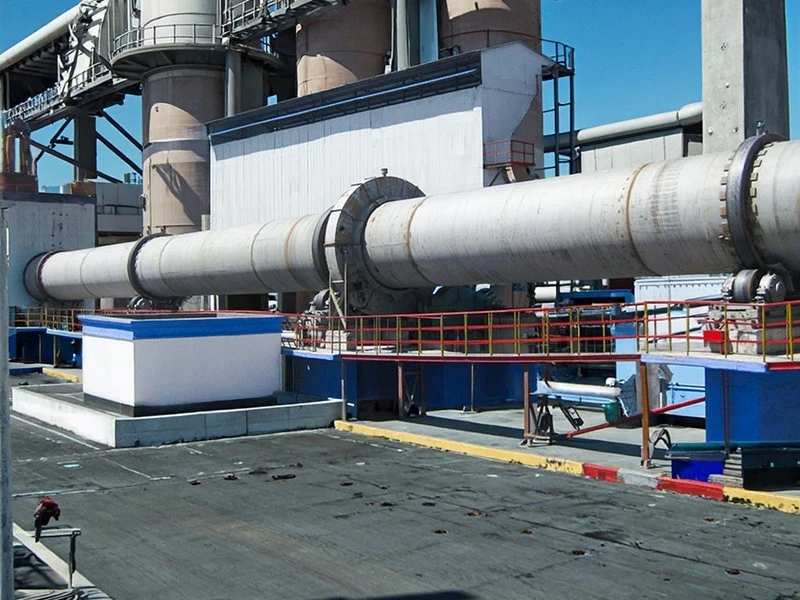
AGICO's rotary cement kiln drive provides a working speed range so operators can adjust material movement to suit the kiln's operating conditions.
Coordinated Gear and Pinion Drive
AGICO's kiln gearing transfers motor power to the rotating shell. Matching the pinion and girth gear helps maintain proper tooth contact.
Refractory Selection by Kiln Zone
AGICO's refractory bricks provide the internal protective lining. Brick selection follows the thermal duty and chemical exposure of each kiln zone.
Spare Parts for Planned Maintenance
AGICO's kiln parts range includes shells, gearing, thrust rollers, seals and refractory bricks, supporting replacement planning around the components installed on site.
Working Process
1
Feed transfer
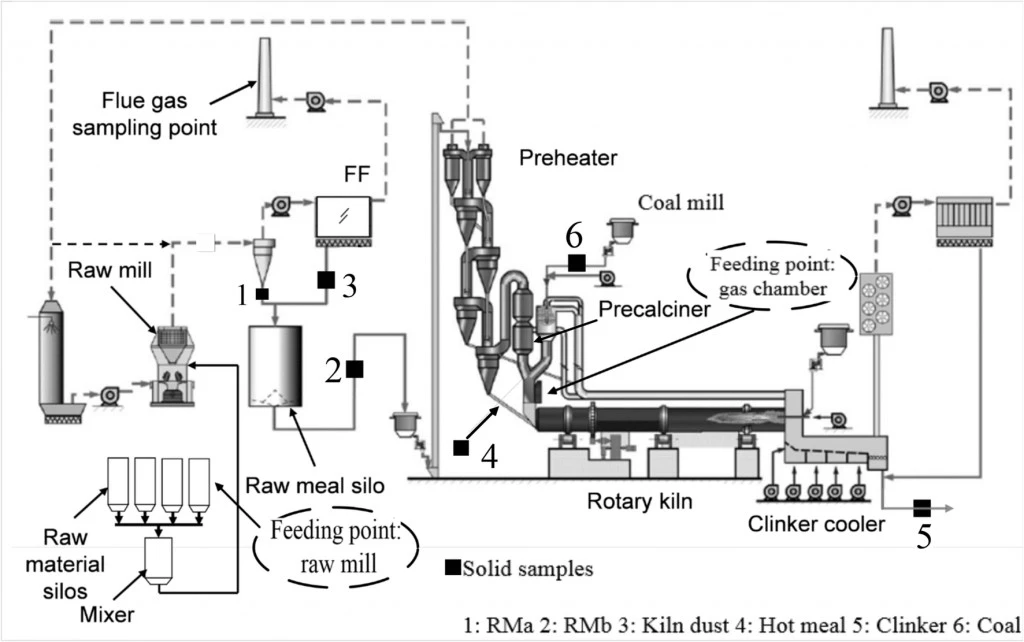
In a dry-process line, prepared meal passes through the preheater and, where installed, the precalciner before reaching the kiln inlet.
2
Clinker burning
The inclined shell rotates to carry material toward the burner end. Heat passing against the material flow supports the reactions that form clinker.
3
Cooler transfer
Hot clinker leaves the discharge end and enters the cooler. The cooler is separate equipment whose capacity and connection affect the kiln-line arrangement.
Related Spare Parts
Rotary Kiln Pinion
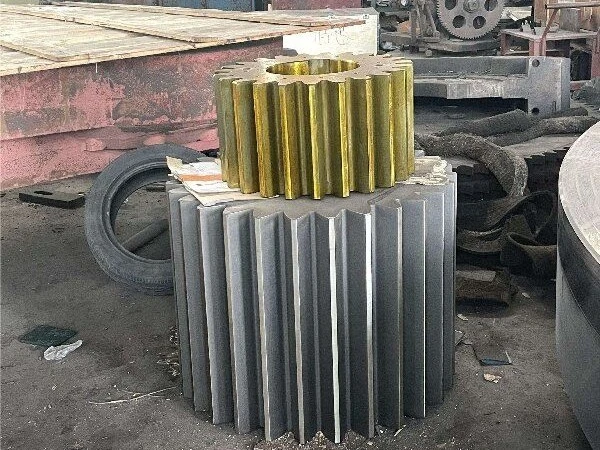
Transfers drive power to the girth gear. For replacement inquiries, provide the gear module, tooth count, shaft dimensions and details of the mating gear.
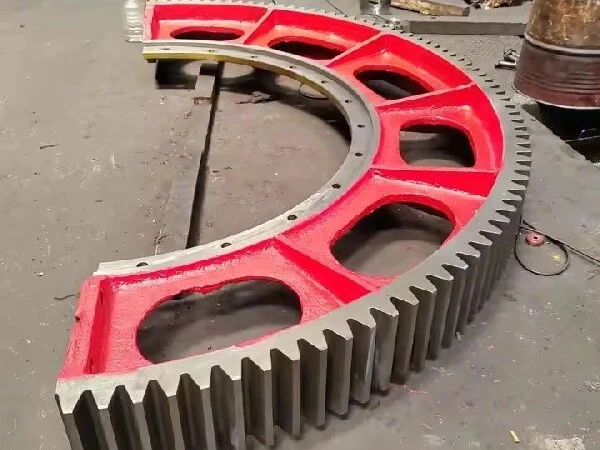
Kiln Girth Gear
The large gear ring drives shell rotation through the pinion. Include tooth geometry, mounting dimensions and the existing gear arrangement when discussing a replacement.
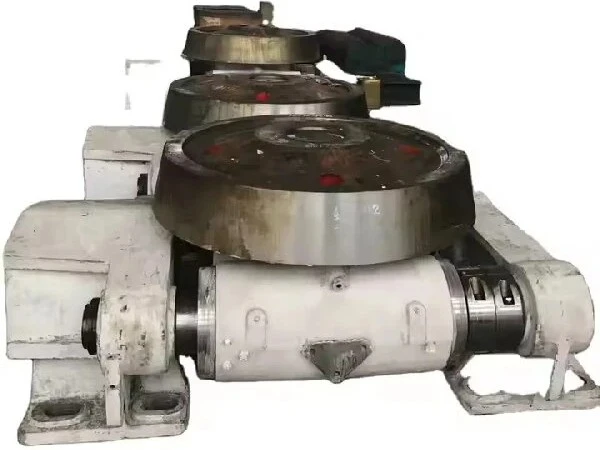
Kiln Thrust Roller
Controls axial movement of the kiln assembly. Selection should consider the existing roller arrangement, contact with the tyre and available mounting space.
Plan Replacements Around the Installed Assembly
A replacement part needs to fit its mating components, not simply the kiln's nominal diameter. AGICO offers the following parts for cement kiln maintenance and equipment projects. Send available drawings, measurements and photographs with your inquiry.
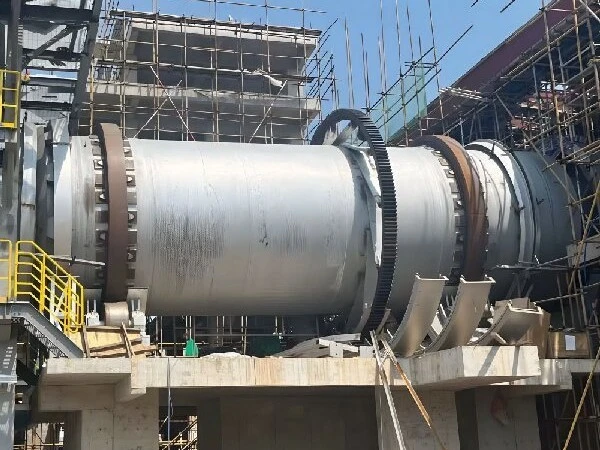
Kiln Shell
Forms the rotating steel body that carries the lining and material. Share section drawings, diameter, plate thickness and joint locations for shell replacement work.
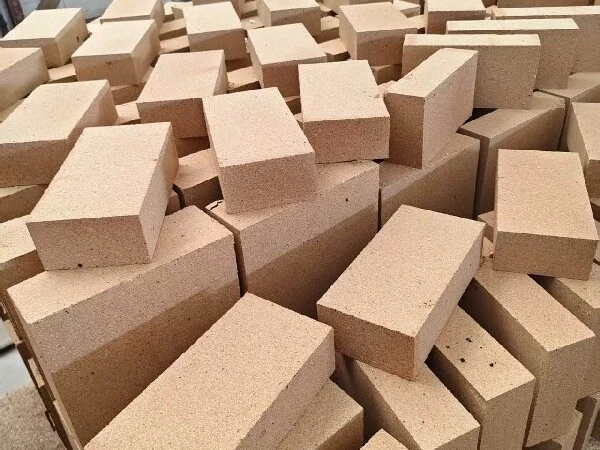
Kiln Refractory Bricks
Protect the shell from the hot process environment. Identify the kiln zone, lining dimensions and operating conditions when selecting bricks for a planned relining.
Rotary Kiln Seal
Closes the gap between rotating and stationary equipment. Supply inlet or outlet dimensions and photographs so AGICO can assess the appropriate sealing arrangement.
Hot Tags: rotary cement kiln, China rotary cement kiln manufacturers, factory
Technical Parameters
Compare Size, Output and Drive Requirements
Clinker Output
Capacity is expressed as daily clinker output in t/d.
Kiln Drive Power
Main motor power describes the kiln drive, not whole-plant electrical demand.
Project Sizing
Final sizing follows raw materials, process arrangement and site conditions.
| Size (m) | t/d | rpm | kW |
| Φ3.2 × 50 | 1,000 | 0.6–3.0 | 125 |
| Φ4.0 × 56 | 2,300 | 0.41–4.07 | 315 |
| Φ4.3 × 60 | 3,200 | 0.396–3.96 | 375 |
| Φ4.7 × 74 | 4,500 | 0.35–4.0 | 630 |
| Φ5.0 × 74 | 6,000 | 0.35–4.0 | 710 |
Final parameters are determined by your raw materials, required output, process arrangement, customization needs and site conditions. Contact AGICO's technical team to discuss your project.
FAQ
What should a cement kiln quotation include?
Ask AGICO to identify the shell, drive, support assemblies, seals and other included items separately. State whether you require a kiln assembly or a wider equipment package. This makes it easier to compare offers and coordinate equipment supplied by other parties.
Can a new pinion be ordered without replacing the girth gear?
Provide AGICO with the existing gear drawing, tooth details and photographs of the contact surfaces. A replacement pinion needs compatible geometry and an assessment of the mating gear's condition. The review helps establish whether replacing one component suits the maintenance plan.
Which information helps AGICO assess a shell replacement?
Send the affected section's drawing, measured diameter, plate thickness, support locations and photographs of the surrounding assembly. Also identify the planned shutdown period and site access. These details help AGICO discuss the fabrication scope and installation interfaces with your team.
Can all kiln zones use the same refractory bricks?
Different zones face different temperatures, chemical exposure and mechanical loads. AGICO can discuss a lining selection based on zone location and operating history. Include previous brick specifications and photographs of wear or damage when preparing a relining inquiry.


