

Product Description
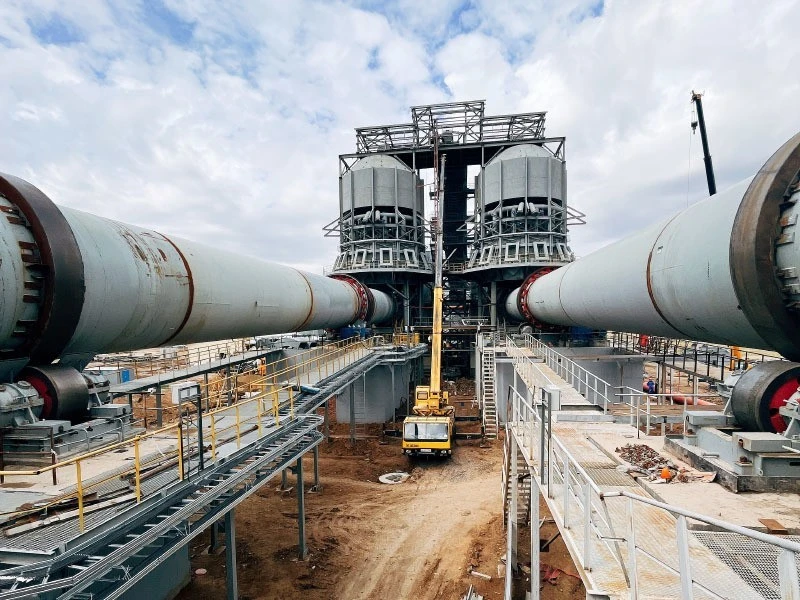
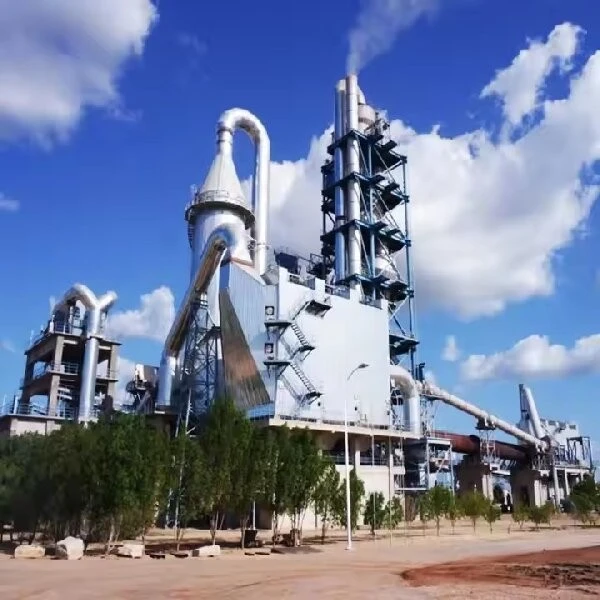
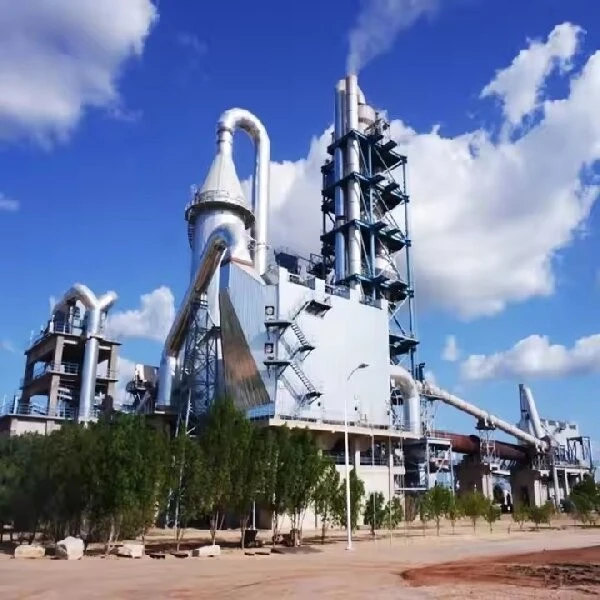
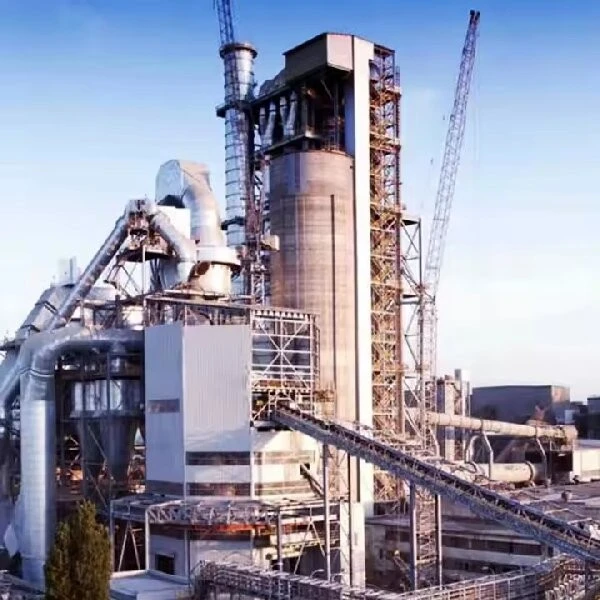
AGICO's cement clinker plant turns prepared raw meal into cooled clinker for bulk dispatch or on-site cement grinding. The rotary kiln series covers clinker outputs of 1,000–8,000 t/d. AGICO matches kiln and cooler capacity and plans clinker storage around dispatch schedules or mill feed requirements.
Technical Parameters
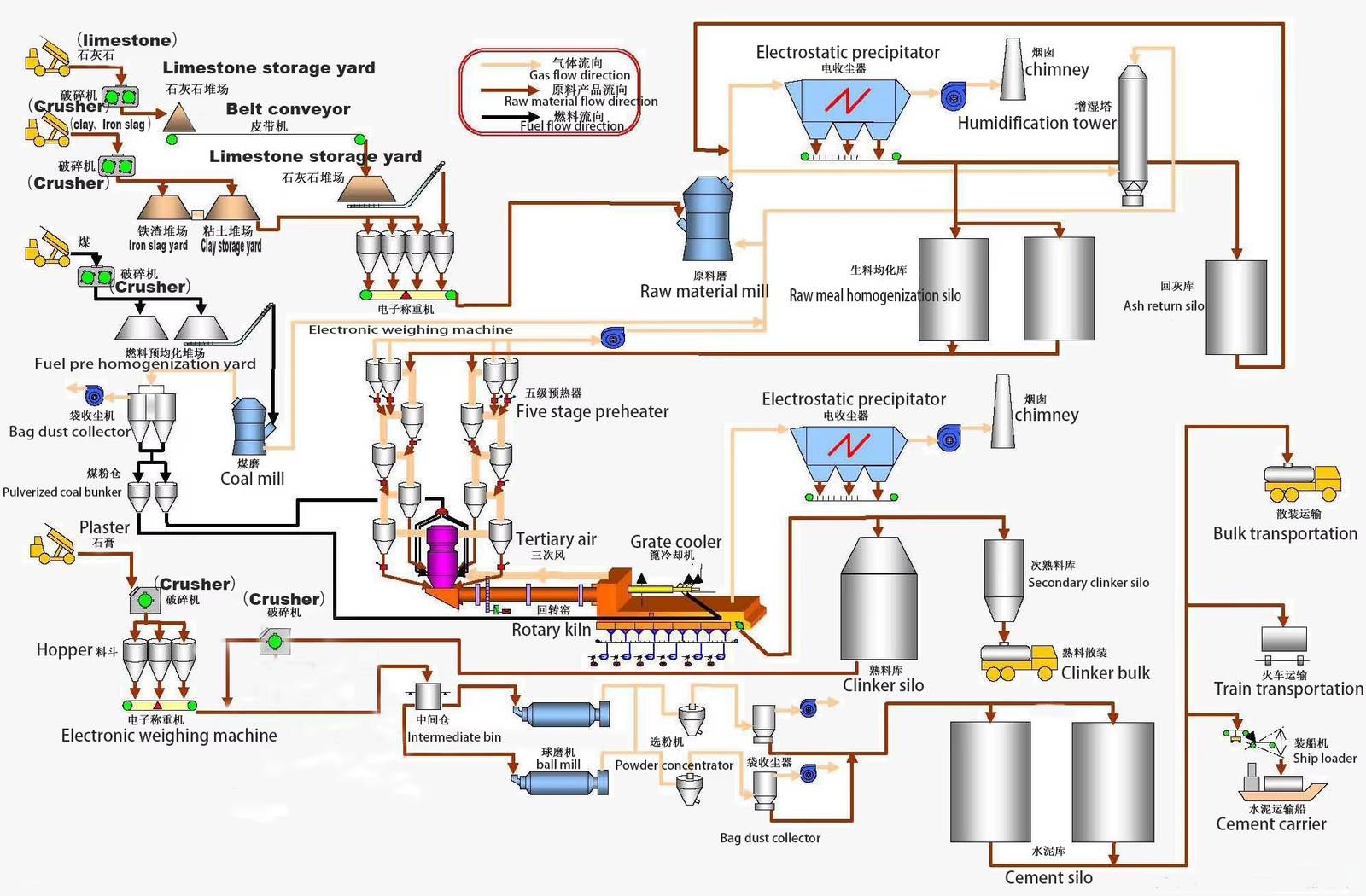
1
Prepare the Kiln Feed
Crushed raw materials are proportioned, ground and blended. The homogenization silo provides a buffer between raw grinding and kiln feeding.
2
Preheat and Burn the Meal
Cyclones heat the raw meal with hot process gas. Most calcination takes place in the precalciner, and clinker minerals form in the rotary kiln.
3
Cool and Store the Clinker
The cooler removes heat from the clinker and returns part of it as combustion air. Conveyors transfer the cooled clinker to storage for dispatch or grinding.
Product Advantages
Matched Kiln and Cooler Capacity
AGICO's burning system is sized so the cooler can handle the kiln's planned output and return heated air to the process.
Buffer Storage for Clinker
AGICO's clinker storage system lets the kiln continue running during short mill stops and supplies bulk loadout from stock.
Access for Planned Maintenance
AGICO's equipment layout allows space to inspect the kiln drive, support rollers and cooler, and to carry out refractory work.
Downstream Grinding
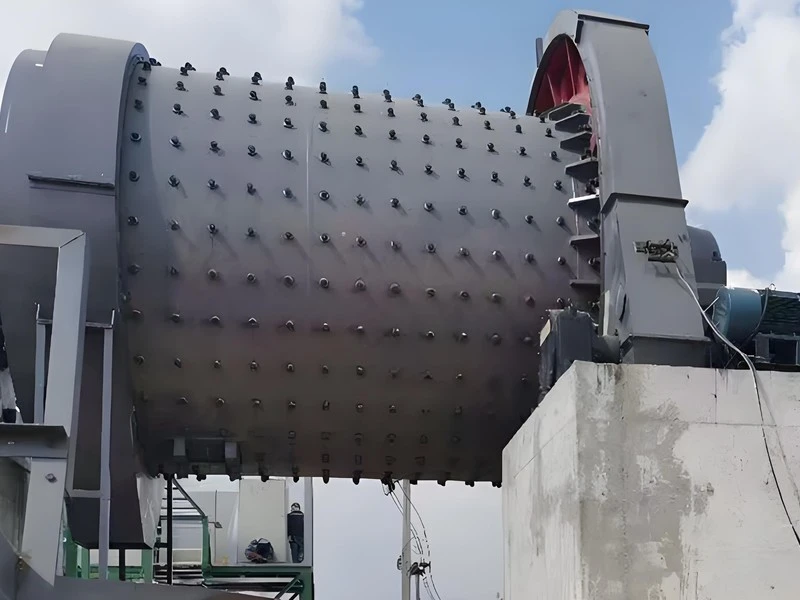
An on-site cement grinding unit grinds clinker with gypsum and other additions. A separate clinker grinding plant receives clinker in bulk. Delivery frequency and the grades of cement sold help determine storage and mill duty.
A mini cement grinding plant can start with purchased clinker. If a kiln line is added later, the clinker grinding unit can be assessed for the new feed route and storage needs.
Hot Tags: cement clinker plant, China cement clinker plant manufacturers, factory, ball mill cement machine, cement factory manufacturing process, cement manufacturing, cement manufacturing dry process, cement product manufacturing process, manufacture of ordinary portland cement
Product Specification
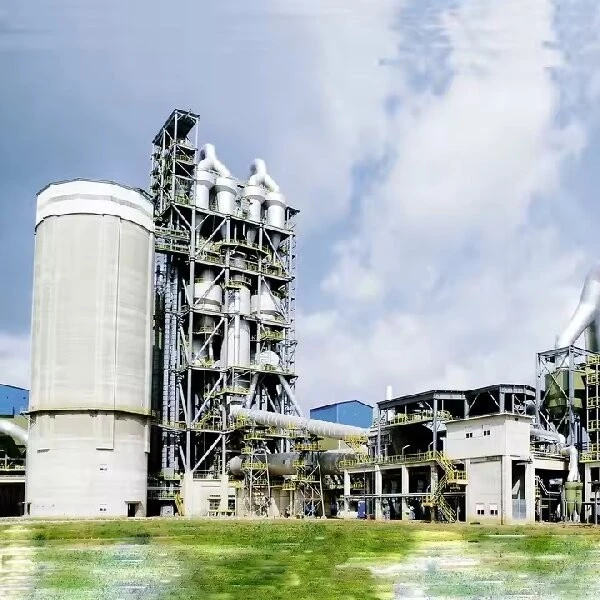
The 2,500 t/d dry-process project in Kyrgyzstan combines clinker production with on-site cement grinding.
| Design parameter | Configuration | Value |
| Daily clinker output | Cement rotary kiln series | 1,000–8,000 t/d |
| Nominal kiln diameter | Cement rotary kiln series | 3.2–5.6 m |
| Kiln length | Cement rotary kiln series | 50–87 m |
| Daily clinker output | Kyrgyzstan dry-process line | 2,500 t/d |
| Cyclone preheater | Kyrgyzstan dry-process line | 5 stages, 2 strings |
AGICO tailors the plant to your raw materials, clinker output, process requirements and site conditions. Contact our engineering team to discuss your project.
FAQ
What information does AGICO need for a quotation?
Send your clinker output target, raw material and fuel analyses, and a site plan. Tell AGICO whether clinker will go to bulk loadout or a cement mill.
Can a new clinker line feed an existing mill?
AGICO can review the mill feed point and available storage to plan the conveyor connection and buffer capacity.
Which spares should I order with the plant?
Ask AGICO for a list of wear parts and long-lead assemblies for the selected equipment.
How should I compare plant quotations?
Compare offers at the same clinker output. Ask AGICO to identify which raw meal, fuel handling, dust collection and clinker transfer equipment is included.


